
The concept of Industry 4.0 has transformed the way manufacturers think about production. Technologies such as artificial intelligence, industrial IoT, robotics, cloud computing, and digital twins continue to reshape factory operations worldwide. Yet many organizations mistakenly believe that digital transformation begins with enterprise software or highly automated production equipment.
In reality, every smart factory depends on one essential ingredient—accurate, reliable production data. Without trustworthy data, even the most sophisticated digital platforms cannot deliver meaningful insights. For this reason, automated inspection has become one of the most important building blocks of modern manufacturing. Beyond detecting product defects, today’s inspection systems generate the high-quality data that powers predictive maintenance, process optimization, and continuous improvement while helping manufacturers build a culture where quality becomes everyone’s responsibility.
Quality Data Is the Foundation of Industry 4.0
Industry 4.0 is fundamentally about making better decisions through data.
Production equipment, sensors, and software continuously generate information about manufacturing performance, but quality inspection provides something uniquely valuable: objective evidence of product quality.
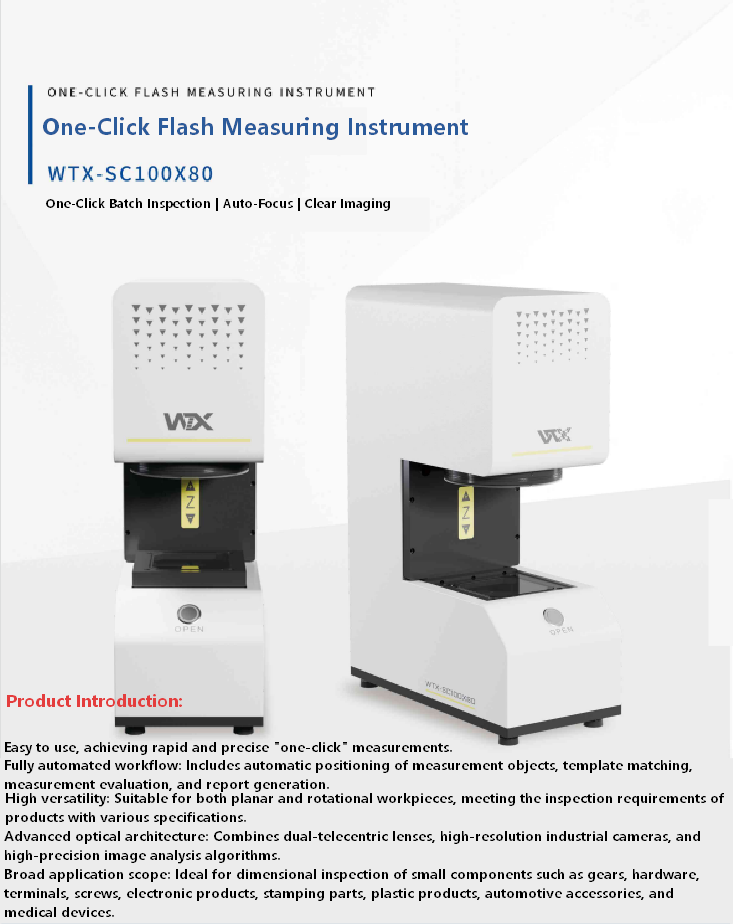
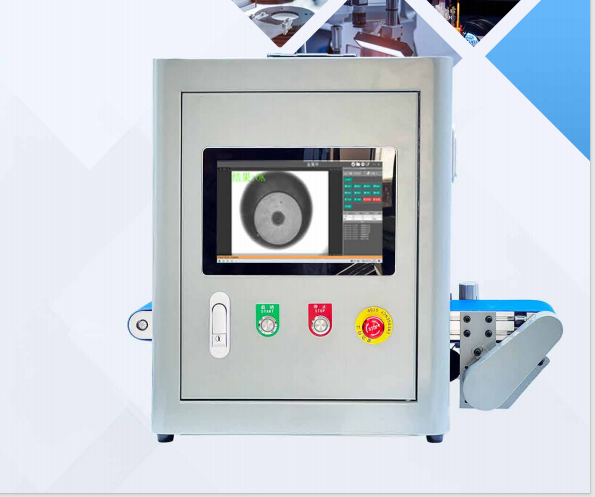
A modern machine vision inspection system captures detailed information about every inspected product, including dimensional measurements, surface conditions, defect classifications, and inspection results. Unlike manual inspection, which naturally varies between operators, automated inspection applies identical evaluation criteria throughout every production shift.
This consistency makes inspection data a reliable foundation for digital manufacturing initiatives.
Instead of reacting after defects appear, manufacturers gain the ability to recognize process variation before quality problems become widespread.
Transforming Production from Reactive to Proactive
Traditional manufacturing often relies on reactive problem-solving.
Defects are discovered after production, equipment failures occur unexpectedly, and maintenance is scheduled only after machines begin experiencing operational problems.
Digital inspection changes this approach.
By continuously collecting inspection results, manufacturers can identify subtle quality trends that indicate changing production conditions. A gradual increase in dimensional variation, recurring surface defects, or shifting process capability may reveal equipment wear long before serious production failures occur.
Modern quality inspection systems therefore become continuous monitoring platforms rather than simple quality checkpoints.
This proactive approach reduces downtime, minimizes scrap, and allows engineering teams to optimize production before costly problems develop.
Inspection Systems Generate the Data Smart Factories Need
Every inspection cycle contributes valuable operational intelligence.
Inspection equipment continuously records production information including:
- Product dimensions
- Surface defect frequency
- Process capability trends
- Pass and fail statistics
- Batch consistency
- Production variation
- Quality history
When connected with Manufacturing Execution Systems (MES), enterprise software, and industrial IoT platforms, this information becomes part of a larger digital manufacturing ecosystem.
Engineering managers can monitor production quality in real time while identifying opportunities for process improvement across multiple production lines.
Reliable inspection data supports better decision-making throughout the entire manufacturing lifecycle.
Building a Scalable Digital Manufacturing Foundation
Successful digital transformation rarely happens through a single large investment.
Instead, manufacturers typically build digital capabilities step by step by introducing connected production technologies that generate accurate operational data.
A scalable automated optical inspection platform fits naturally into this strategy.
Because inspection systems monitor every product moving through production, they become one of the most valuable sources of manufacturing information.
As production expands, additional inspection stations can be integrated without disrupting existing digital infrastructure, allowing manufacturers to build increasingly intelligent production environments over time.
This modular approach reduces implementation risk while supporting long-term business growth.
Quality Becomes a Shared Responsibility
Technology alone cannot create manufacturing excellence.
The most successful factories establish organizational cultures where every employee understands that quality is a shared objective rather than the responsibility of one department.
Automated inspection contributes significantly to this cultural shift by making quality information transparent throughout the organization.
Operators, supervisors, engineers, maintenance personnel, and plant managers can all access consistent production data based on objective inspection results instead of subjective observations.
This transparency encourages collaboration rather than blame.
When production teams see quality trends developing in real time, they can work together to identify root causes and implement corrective actions before larger issues arise.
Empowering Employees Through Better Information
One common concern surrounding automation is that technology may replace experienced workers.
In practice, modern inspection technology often enhances employee value instead of reducing it.
By automating repetitive visual inspection tasks, industrial machine vision systems allow employees to focus on activities that require human expertise, including:
- Root cause analysis
- Process optimization
- Equipment improvement
- Product development
- Production planning
- Continuous improvement initiatives
Rather than spending hours sorting acceptable and defective products, skilled personnel can devote their knowledge to improving manufacturing performance.
This shift increases both operational efficiency and employee engagement while supporting long-term workforce development.
Data-Driven Quality Strengthens Customer Confidence
Global manufacturers increasingly compete not only on product price but also on production transparency and quality consistency.
Customers expect suppliers to provide traceable manufacturing records supported by reliable production data.
Automated inspection helps manufacturers generate digital quality documentation that demonstrates consistent process control and product conformity.
Objective inspection records strengthen supplier credibility during customer audits while supporting compliance with international quality standards.
Manufacturers capable of providing detailed production traceability often gain a competitive advantage when pursuing high-value projects in industries such as automotive, aerospace, electronics, and medical devices.
Digital Manufacturing Creates Long-Term Competitive Advantage
The future of manufacturing belongs to companies that transform production data into operational intelligence.
Inspection systems are no longer isolated quality control tools—they are strategic assets that support predictive maintenance, statistical process control, artificial intelligence, and continuous improvement.
Reliable inspection data enables manufacturers to optimize production efficiency, reduce waste, improve customer satisfaction, and respond more quickly to changing market requirements.
Organizations that invest in connected inspection technologies today establish a stronger digital foundation for future Industry 4.0 initiatives.
Building a Culture of Continuous Quality Improvement
Ultimately, successful manufacturing depends on more than advanced equipment.
Technology provides accurate measurements, but people transform those measurements into better decisions.
When automated inspection delivers consistent data, employees gain greater confidence in identifying production opportunities, improving workflows, and preventing quality issues before they affect customers.
This combination of intelligent technology and engaged employees creates a culture where quality becomes embedded in every stage of production.
Manufacturers that embrace this philosophy move beyond simply producing compliant products. They become data-driven organizations capable of delivering consistent quality, operational excellence, and sustainable competitive advantage in an increasingly digital global manufacturing environment.
Leave a Reply