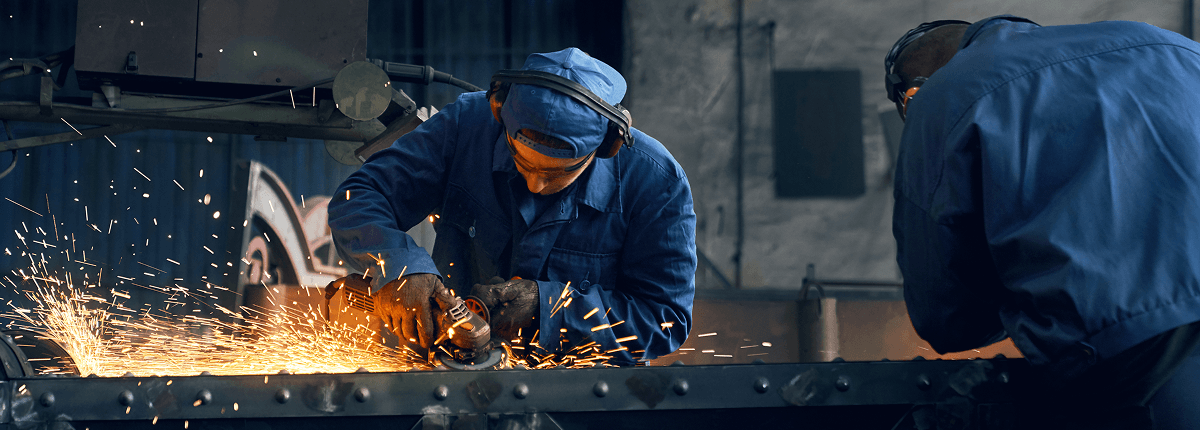

Choosing the right inspection machine has become one of the most important decisions on the factory floor. It affects everything from defect rates and line speed to long-term costs and product reliability. In today’s high-volume, high-expectation manufacturing environments, a mismatched system can create bottlenecks or let problems slip through, while the right one becomes a seamless part of efficient, smart production.
This guide offers a straightforward, step-by-step approach to help manufacturers evaluate and select inspection solutions that truly fit their operations.
Step 1: Start with Your Production Reality
Before looking at any equipment, get clear on your specific setup. Ask yourself:
- What types of products are you running?
- How fast does the line need to move (units per minute or hour)?
- What defect levels are truly critical?
- Is production continuous or in batches?
These answers point toward inline inspection for fast-moving lines, offline inspection for smaller batches, or a hybrid setup. For instance, high-speed electronics lines usually need real-time inline checking, while precision job shops may do better with offline stations.
Step 2: Pinpoint the Defects That Matter Most
Different machines excel at different problems. Common concerns include surface defects like scratches or discoloration, structural issues such as cracks, assembly mistakes, dimensional variations, or packaging/labeling errors.
Mapping your main defect types early helps avoid buying a system that’s either too limited or loaded with features you’ll never use. Many lines benefit from combining technologies rather than relying on a single solution.
Step 3: Understand the Core Technologies
Several inspection approaches dominate modern factories:
Machine Vision Systems are excellent for surface-level checks using high-resolution cameras and lighting. They’re widely used in electronics and packaging.
AI-Based Inspection Systems shine in variable or complex environments because they learn from real production data and adapt to new defect patterns over time.
X-Ray Inspection Systems reveal internal flaws hidden from normal cameras, such as in batteries or dense assemblies.
Laser Measurement Systems deliver precise dimensional and geometric verification where tolerances are extremely tight.
Most successful factories combine two or more of these for full coverage.
Step 4: Make Sure It Keeps Up with Your Line Speed
Even the smartest inspection machine fails if it slows production. Check:
- Maximum inspection rate per unit
- Conveyor synchronization
- Real-time processing power
- Time between detection and rejection
Inline systems especially must match the rhythm of your line without creating delays.
Step 5: Prioritize Data Integration
Today’s best inspection machines are more than defect catchers — they’re data hubs. Look for easy connection to MES, ERP, Industrial IoT, and quality systems. Good integration lets you track trends, spot upstream issues, optimize processes, and support predictive maintenance.
Without this capability, you miss much of the long-term value these systems can deliver.
Step 6: Balance Accuracy and False Rejects
High detection rates are important, but so is keeping good parts from being wrongly rejected. Overly sensitive systems increase waste and costs. Modern AI-Based Inspection Systems handle this balance better than older rule-based setups by using adaptive thresholds and learning from actual production.
Step 7: Think About Real-World Durability and Maintenance
Factory conditions are tough — dust, vibration, heat, and 24/7 operation take a toll. Evaluate hardware robustness, how often calibration is needed, ease of replacing parts like lenses, software update frequency, and available technical support. Minimal downtime is critical for continuous manufacturing.
Step 8: Plan for Future Growth and Scalability
Production rarely stays the same. Choose systems that can:
- Handle new product types
- Add cameras or sensors easily
- Upgrade AI models
- Adjust software configurations
Scalable inspection machines protect your investment as the business evolves.
Quick Comparison of Common Technologies
- Machine Vision: Best for surface inspection — fast and reliable, but limited on internal issues.
- AI Inspection: Strong on complex or varying defects — adaptive but needs good training data.
- X-Ray: Excellent for internal structure — higher cost.
- Laser Measurement: Precise on dimensions — narrower scope for general defects.
Real-World Decision Making
In practice, selection is rarely about picking one “perfect” machine. Many factories build layered systems: inline vision for immediate catching, offline stations for deeper checks, AI for ongoing learning, and measurement tools where precision counts most. This combined approach delivers both speed and thoroughness.
Inspection as a Strategic Manufacturing Tool
Well-chosen inspection machines do more than control quality — they reduce waste, improve efficiency, support compliance, and strengthen customer trust. Factories that treat them as core strategy elements usually see better long-term stability and performance.
Conclusion Selecting the right inspection machine takes a clear-eyed look at your current production needs, defect challenges, technology options, and growth plans. There’s no universal answer, but there is always a smart configuration for every operation.
As automation advances, these systems are becoming even more central to competitive, high-quality manufacturing. Working with experienced providers who understand your industry can help match the technology to your real-world requirements.
Suggested Keywords for Hyperlinks (5-6 total):
- Inspection Machine – Link to your main product overview or selector tool
- Machine Vision Systems – Link to vision technology or case studies page
- AI-Based Inspection Systems – Link to AI inspection solutions or whitepaper
- Inline Inspection – Link to inline systems comparison or details
- X-Ray Inspection Systems – Link to specialized internal inspection content
- Smart Manufacturing – Link to integration or Industry 4.0 resources
These are bolded naturally in the body text where they fit conversationally. The rewrite uses practical, grounded language with varied flow, real factory examples, and experienced tone to sound human-written while keeping strong SEO structure through numbered steps, bullets, and scannable sections suitable for Google ranking and large model indexing.
Leave a Reply