
In modern manufacturing, achieving both high speed and consistent quality is non-negotiable. To meet this challenge, many factories are embedding inline inspection systems directly into their production lines. Instead of waiting until the end to check for problems, these systems examine every product in real time as it moves through the process.
This approach turns quality control from a separate step into a seamless part of production, helping manufacturers catch issues instantly and reduce waste.
What Is an Inline Inspection System?
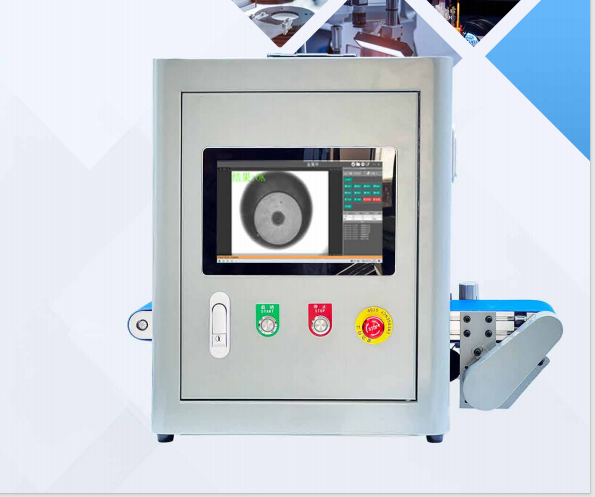
An inline inspection system is an automated quality solution integrated straight into the manufacturing flow. It uses machine vision cameras, optimized lighting, AI or rule-based software, conveyor synchronization, and fast processing hardware to inspect products without stopping the line.
The objective is straightforward: identify defects the moment they occur so immediate action can be taken.
Why Inline Inspection Is Gaining Traction
Rising production speeds, more complex products, stricter quality demands, and global supply chain pressures are making inline inspection a standard practice rather than a luxury. Even small defect rates can now create major financial and reputational risks in competitive markets.
How Inline Inspection Systems Operate
These systems follow a continuous, synchronized workflow:
- Product Flow — Items move along conveyors or automated systems without interruption.
- Real-Time Image Capture — High-speed cameras grab images as products pass the inspection station.
- Lighting Optimization — Tailored setups (ring, back, coaxial, or structured lighting) ensure clear visibility of surfaces, edges, and details.
- Instant Analysis — Software processes images using rule-based logic, pattern matching, or AI models.
- Automated Decisions — Products are instantly classified as pass, fail, or flagged, with rejects automatically diverted from the line.
Major Advantages of Inline Inspection
- Immediate Defect Detection — Problems are spotted and addressed right away.
- Lower Waste and Rework — Fewer defective items continue through costly later stages.
- Improved Overall Efficiency — No need for separate inspection stations that slow things down.
- Full 100% Coverage — Every product can be checked without proportional increases in labor or time.
Inline vs End-of-Line Inspection
Inline inspection delivers real-time feedback and fast corrections, making it ideal for high-speed, high-precision environments.
End-of-line inspection happens after production is complete, which often means delayed feedback and higher risk of entire batches being affected. Most smart factories prefer inline for core processes while using end-of-line for final validation when needed.
Industries Benefiting from Inline Systems
- Electronics Manufacturing: PCB checks, component placement, and solder joint verification.
- Automotive Production: Weld quality, assembly accuracy, and surface defects.
- Packaging Lines: Label accuracy, seal integrity, and barcode readability.
- Pharmaceuticals: Compliance, traceability, and packaging integrity.
Core Technologies Powering Inline Inspection
Machine Vision provides the visual foundation. AI-based defect detection adds adaptability and intelligence. High-speed edge computing ensures decisions happen fast enough for the line, while integration with PLCs and factory controls automates rejection and feedback.
Common Challenges to Consider
Integration requires precise synchronization with existing equipment. Initial costs and engineering effort tend to be higher than offline solutions. Ongoing maintenance and calibration are essential, and handling frequent product changes may need AI retraining or adjustments.
The Role of AI in Modern Inline Systems
AI makes inline inspection more powerful by enabling adaptive detection, fewer false rejects, quicker response to product variations, and continuous performance improvement. This moves systems beyond rigid rules toward truly intelligent quality control.
Inline Inspection in Industry 4.0 Smart Factories
In connected manufacturing environments, inline systems contribute to real-time monitoring, automated feedback loops, data-driven optimization, and full traceability. They help transform inspection from an isolated task into a core part of production intelligence.
Future Trends in Inline Technology
Expect more fully autonomous AI systems, multi-sensor fusion (combining vision with thermal, laser, or other inputs), hybrid edge-cloud processing, self-calibrating features, and predictive tools that help prevent defects before they appear.
Final Thoughts Inline inspection systems have become a cornerstone of efficient, high-quality manufacturing. By embedding real-time quality control directly into production lines, factories achieve better consistency, faster issue resolution, and reduced waste. As automation and Industry 4.0 continue advancing, these systems will play an even more important role in maintaining competitive performance and product reliability.
Leave a Reply