
Walk through any modern production facility today, and you’ll spot a quiet but massive shift on the assembly line. The workers who used to squint through magnifying glasses over conveyor belts are being replaced by compact camera stations flashing soft LED lights at passing parts. Automated visual inspection has officially transitioned from a niche, high-end luxury to a practical, essential tool that even mid-size workshops are rapidly adopting.
So, what exactly changed? Why are manufacturers across electronics, hardware, packaging, and energy sectors choosing to invest in these systems now rather than waiting for the next budget cycle?
Moving Beyond the Human Eye
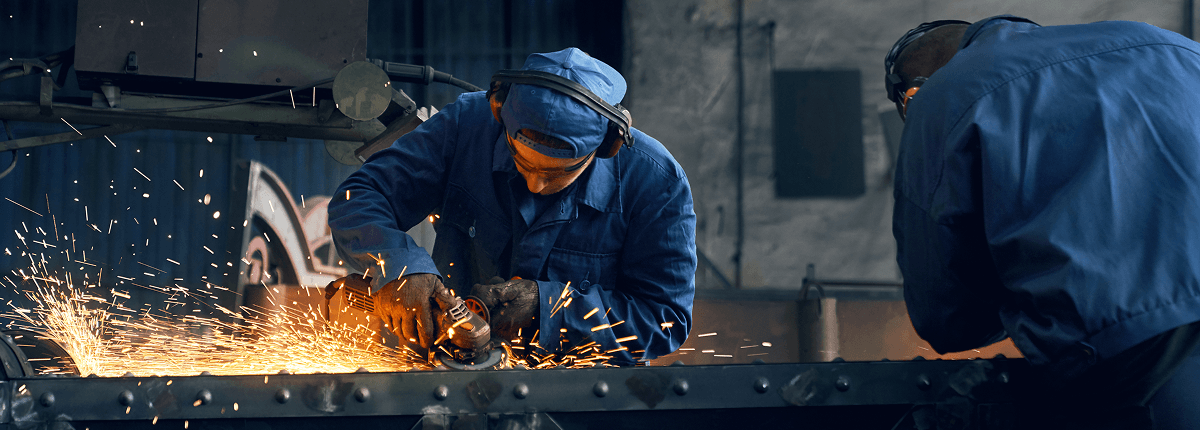
For decades, quality control meant relying on human eyes. Workers would rotate parts, hunt for scratches, measure dimensions with calipers, and sort out the bad apples before they reached the customer. It worked, but it came with predictable, costly limitations.
Fatigue sets in after a few hours. Lighting conditions vary across shifts. Two highly experienced inspectors might even disagree on whether a surface scratch is within tolerance. As production speeds ramp up, human checkers simply cannot keep pace without missing critical details.
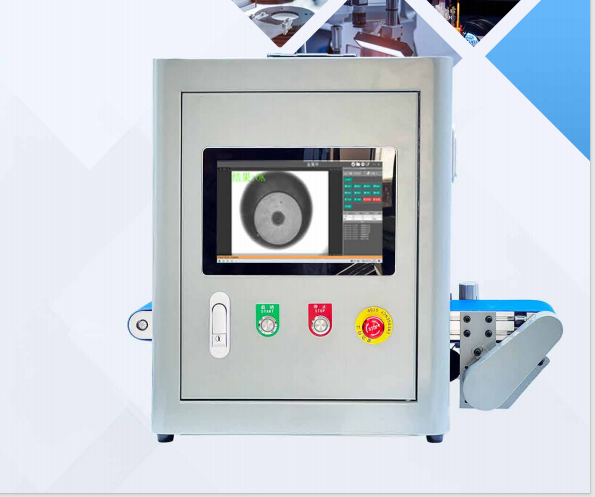
Machine vision systems close these gaps in a remarkably straightforward way. A fixed industrial camera captures high-resolution images of each part under heavily controlled lighting. Software then compares those images against predefined standards in milliseconds. If a scratch, dent, dimensional deviation, or missing component appears, the system flags it instantly. The result isn’t just faster sorting—it’s consistent sorting, shift after shift, without the natural drift that happens when humans perform repetitive tasks.
Catching What the Human Eye Misses
There is a common misconception that automated inspection only catches obvious, glaring defects. In reality, modern configurations can screen for a highly specific range of physical irregularities depending on how the hardware and software are tuned:
- Surface flaws such as micro-scratches, dents, and dirt stains
- Structural cracks that might compromise part integrity over time
- Dimensional deviations from the intended design specifications
- Assembly omissions where a component is missing or misaligned
This flexibility comes down to system configuration. Lens selection, illumination wavelength, and detection logic can all be adjusted based on the target part’s size, material, and the exact defects you care about most.
Cross-Industry Applications
You don’t need to run a massive automotive plant to benefit from this technology. The hardware acts as a universal module that adapts to various sectors where surface consistency matters.
Hardware and precision parts manufacturing remain the most common use cases. Small metal components, plastic housings, and machined parts all benefit from rapid screening before they move to the next production stage. In PCBA and electronics assembly, visual inspection catches soldering issues, component placement errors, and contamination that could cause early product failure.
Industrial packaging lines use these systems to verify label placement, seal integrity, and package dimensions before shipment. Even energy cell production has adopted battery shell inspection to ensure housings meet strict safety and dimensional standards. The pattern is clear: anywhere a part’s surface or structure affects performance, automated visual inspection has a role to play.
Specs That Actually Matter
Adopting automated inspection isn’t about buying the most expensive unit on the market. It’s about matching the equipment to your actual production realities.
Start by defining your field of view and the smallest defect size you need to catch. These two parameters drive the camera resolution, lens type, and lighting setup. A system configured for large plastic casings will differ significantly from one designed to inspect tiny electronic connectors.
Equally important is how the system physically integrates into your existing line. Some manufacturers need a standalone station that operators can wheel between production areas. Others want a fixed inline inspection setup that checks every part automatically as it passes a specific point.
Pre-shipment testing also matters more than people realize. Every unit should undergo full hardware calibration and continuous software running tests before it leaves the factory. This step prevents the massive frustration of installing equipment only to discover alignment or stability issues on day one.
Starting Small to Scale Fast
One barrier that used to slow adoption was the assumption that automated inspection required bulk orders and massive capital investment. That assumption no longer holds.
For workshops looking to test the technology or optimize a single critical station, starting with one unit is entirely feasible. It allows you to measure the impact on defect rates, line speed, and operator workload before deciding to expand. Think of it as a targeted upgrade rather than a floor-wide overhaul. You identify the bottleneck where manual inspection causes the most delays or escapes, install a system there, and let the data guide your next move.
Looking Ahead
Automated visual inspection isn’t a magic wand that eliminates every quality issue overnight. It is a practical engineering tool that, when configured correctly, removes the inconsistency and speed limits of manual screening. As camera technology, lighting design, and detection algorithms continue to improve, these systems will handle even more subtle defects across a broader range of materials. For manufacturers already dealing with tighter customer standards and faster turnaround expectations, that progress is worth watching closely.
If your current quality process is creating bottlenecks or letting too many defects slip through, exploring a purpose-built inspection system is a sensible next step. Our team configures visual inspection equipment for a range of industrial applications, adjusting camera, lighting, and software setups to match your specific parts and defect requirements. No bulk orders required—you can start with a single unit and see exactly how it fits your line.
Leave a Reply