
The sheer volume of industry jargon surrounding smart manufacturing can make selecting the right equipment feel overwhelming. Yet, the core goal remains simple: you need a dependable way to catch defects before they leave the factory floor. Whether you are manufacturing medical implants or automotive components, the right equipment acts as both a safety net and a vital source of data. This guide cuts through the marketing noise to help you invest in machinery that genuinely improves your quality output.
Start with the Defets You Actually Need to Catch
It is tempting to choose a system that promises to detect everything, but the most effective solutions focus on the specific issues that impact function or safety. Start by identifying the failure modes that concern your quality team most. Are you dealing with surface scratches on polished metal? Are you checking for missing screws or verifying tight dimensional tolerances?
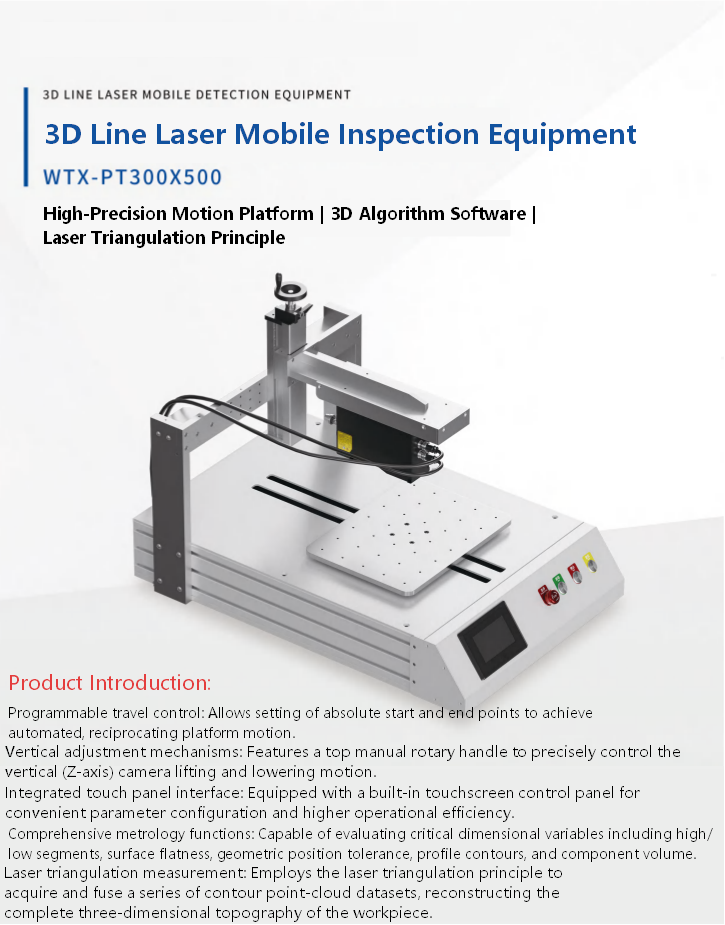
Different technologies excel at different tasks. For instance, a high-resolution camera with structured lighting is ideal for spotting cosmetic flaws on smartphone casings, while laser profilometry is superior for measuring weld seam consistency. In the pharmaceutical sector, vision systems are often configured to detect missing tablets. By listing your top three to five defect types first, you can avoid paying for unnecessary capabilities while ensuring you cover the essentials.
Precision and Speed: The Balancing Act
You will often see impressive specs like 0.01 mm accuracy or 200 parts per minute. While these numbers are important, they can be misleading if viewed in isolation. A machine that delivers precise repeatability in a controlled lab may struggle on a vibrating factory floor with temperature fluctuations. Similarly, a high-speed camera is wasted if your conveyor belt cannot keep up.
What matters is consistency under your actual operating conditions. Request gage R&R studies from potential suppliers that reflect real-world line speeds and environmental changes. Modern machines often use thermal compensation to maintain accuracy during long shifts. For example, in plastic injection molding, thermal expansion can alter dimensions between morning startup and the afternoon. A machine with built-in compensation will maintain accuracy, whereas a standard system might generate false rejects.
AI and Vision Technology: More Than a Buzzword
AI-powered visual inspection has moved beyond theory. Convolutional neural networks can now identify subtle anomalies—such as micro-cracks in castings or texture inconsistencies in fabric—that traditional rule-based algorithms might miss. Instead of writing rigid pass/fail rules, you train the system with labeled images so it learns the difference between “good” and “bad” parts.
However, AI is not magic; it requires training with a representative dataset. When implemented correctly, you gain consistent detection of subtle defects and quick adaptation to new product variants. When evaluating a machine, ask how the AI is trained. Can your engineers retrain it, or are you locked into a vendor contract? For high-speed applications, edge-based processing is often preferred to reduce latency and keep data secure within your network.
Integration with Your Digital Ecosystem
An inspection machine should not stand alone as a pass/fail “black box.” To thrive in a smart factory, the equipment must communicate seamlessly. Look for machines that support standard industrial protocols like OPC UA or MQTT, or that provide a robust REST API to push results directly to your MES or SCADA systems.
This connectivity allows you to use trend data predictively. For example, if a vision system detects a gradual increase in shaft diameter variation, it can alert an operator to check for tool wear before the parts become scrap. This shift from reactive sorting to predictive management saves material and time. Ensure the system stores images and data in a structured, time-stamped format for traceability, which is crucial for audits in regulated industries.
Usability, Changeover, and Human Factors
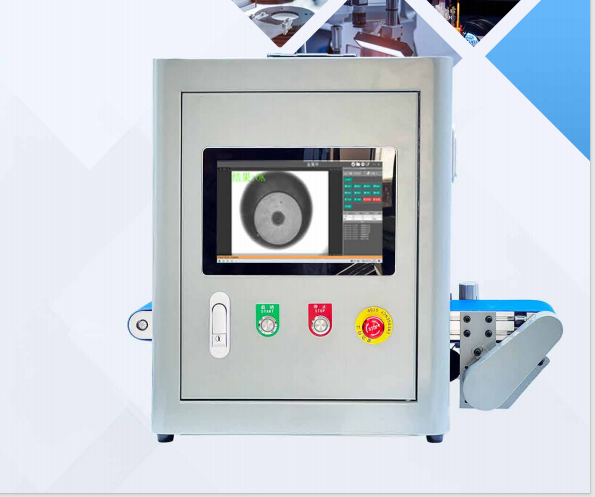
Even the most powerful machine is useless if it is too difficult to operate. Consider the daily experience of your line operators. Recipe-driven changeover should take minutes, not hours. Intuitive touch-screen interfaces with clear, color-coded pass/fail indicators reduce training time and errors.
Pay attention to ergonomic details like loading height and safety features such as light curtains. In high-mix, low-volume environments, rapid changeover directly impacts your overall equipment effectiveness. Some modern systems even use augmented reality for maintenance guidance. Additionally, ensure the software manages multiple part programs and user permission levels, especially if you need to comply with regulations like 21 CFR Part 11.
Beyond the Spec Sheet: Support and Continuous Improvement
Robust machinery requires maintenance. When evaluating vendors, ask about local service support, spare parts availability, and response times. A secure remote diagnostic capability can significantly reduce downtime by allowing technicians to solve problems without visiting the site.
It is also smart to ask about upgrade paths. Can you increase camera resolution later if tolerances tighten? Is there a software subscription for continuous algorithm improvements? The machine you buy today should adapt as your product lines evolve. Suppliers that offer periodic application reviews often provide better long-term value than a one-off purchase.
Getting Started Without the Overwhelm
With so many variables, it helps to test before you commit. Many reputable suppliers offer sample testing services. Send them a batch of your parts—including good samples, obvious defects, and borderline cases—to see how the machine performs. Comparing reports from different vendors using the same parts reveals strengths and weaknesses that brochures cannot.
If you are comparing options, having a centralized resource can simplify your research. Platforms like Inspection Machine Pro offer a selection of equipment designed for modern manufacturing, helping you match capabilities to your specific application. Sometimes, a focused review of such resources saves days of searching through scattered datasheets.
Choosing an inspection machine is fundamentally about risk management. By focusing on the defects that matter, balancing speed with real-world accuracy, and ensuring smooth integration, you will select equipment that delivers steady value for years. Understand your process, measure what counts, and partner with solutions that can grow with you.
Leave a Reply