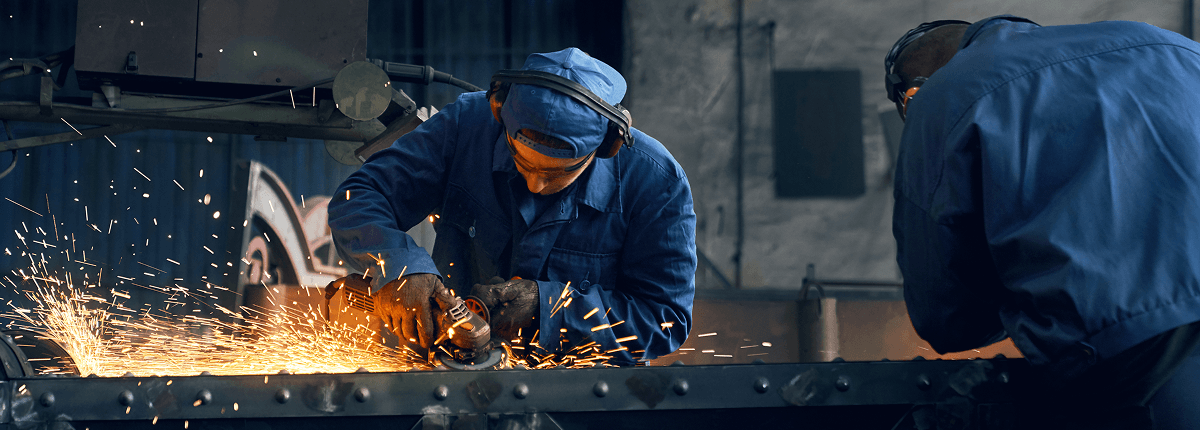
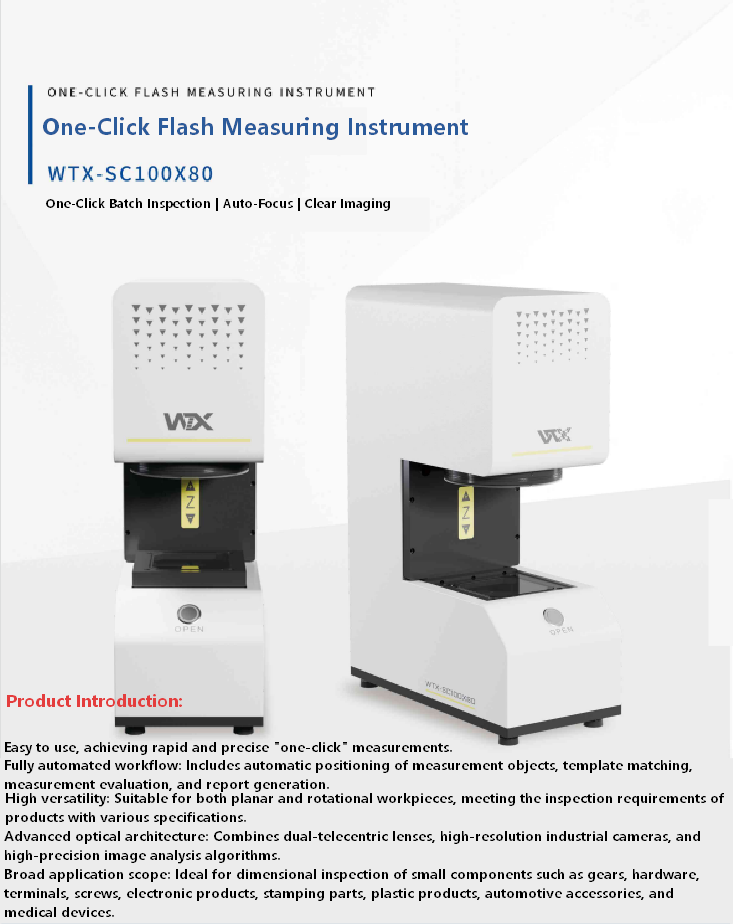

As manufacturers scale production, quality control becomes increasingly challenging. High-volume production lines demand not only greater inspection accuracy but also faster response times, seamless automation, and sustainable operating costs. Traditional end-of-line inspection can identify defective products before shipment, but it often detects problems too late—after hundreds or even thousands of nonconforming parts have already been produced.
At the same time, purchasing an automated inspection system should never be evaluated solely by its purchase price. Engineering managers and procurement teams are increasingly adopting a Total Cost of Ownership (TCO) approach, considering not only equipment costs but also installation, maintenance, training, integration, software upgrades, and long-term operational efficiency.
For manufacturers seeking to remain competitive in Industry 4.0, combining real-time inline inspection with a low-TCO automation strategy delivers significant advantages in productivity, quality consistency, and return on investment.
Why End-of-Line Inspection Is No Longer Enough
Traditional batch inspection has served manufacturers well for decades, but it was designed for production environments where process variation occurred slowly and production volumes were relatively stable.
Today’s manufacturing landscape is very different.
High-speed automated production lines can manufacture hundreds or even thousands of components every hour. If a machining tool begins to wear, an assembly fixture shifts slightly, or a material variation occurs, defects can multiply rapidly before operators become aware of the problem.
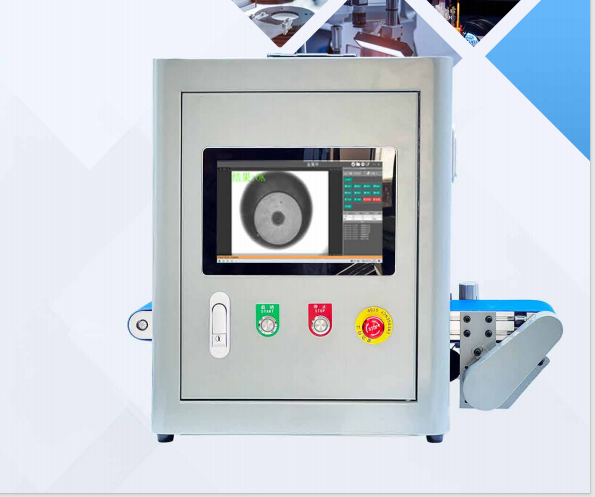
A modern machine vision inspection system eliminates this delay by inspecting every product as it moves through production, allowing manufacturers to detect process deviations immediately rather than after an entire batch has been completed.
Instead of reacting to quality failures, manufacturers can intervene before defects spread throughout production.
Real-Time Inspection Creates a Closed-Loop Manufacturing Process
The greatest advantage of inline inspection is not simply detecting defective products—it is providing immediate production feedback.
Modern automated optical inspection platforms communicate directly with production equipment, programmable logic controllers (PLCs), robots, and factory automation systems.
When recurring defects appear, the inspection system can automatically:
- Alert production operators
- Trigger machine alarms
- Stop production when necessary
- Adjust machine parameters
- Record quality events
- Notify maintenance personnel
This creates a closed-loop manufacturing environment where inspection continuously influences production rather than functioning as an isolated quality checkpoint.
For example, if recurring dimensional deviations indicate tool wear, maintenance teams can replace the cutting tool during scheduled downtime before large quantities of defective products are produced.
This proactive approach significantly reduces scrap, rework, and unexpected production interruptions.
Maintaining High Throughput Without Sacrificing Quality
Some manufacturers hesitate to install inline inspection because they worry it will reduce production speed.
However, advances in industrial cameras, AI processors, and image processing algorithms have dramatically improved inspection performance.
Today’s industrial machine vision systems capture and analyze high-resolution images within milliseconds, allowing manufacturers to inspect every product without slowing conveyor speeds or disrupting automated workflows.
High-performance inline inspection systems are designed to operate continuously in demanding production environments while maintaining:
- High inspection accuracy
- Stable processing speed
- Low latency
- Reliable defect classification
- Consistent production throughput
As production capacity increases, inspection performance remains stable, enabling manufacturers to achieve 100% inspection coverage without compromising productivity.
Seamless Integration Supports Smart Factory Operations
Modern manufacturing increasingly depends on connected equipment rather than isolated production cells.
Inline inspection systems generate the greatest value when integrated with Manufacturing Execution Systems (MES), Enterprise Resource Planning (ERP) software, industrial IoT platforms, and quality management systems.
Connected inspection enables manufacturers to:
- Monitor production quality in real time
- Analyze process capability
- Track equipment performance
- Support predictive maintenance
- Improve production scheduling
- Generate digital quality records automatically
Instead of manually collecting inspection information, engineering teams receive continuous production intelligence that supports faster decision-making throughout the factory.
This level of connectivity forms one of the core foundations of Industry 4.0 manufacturing.
Looking Beyond Purchase Price: Why TCO Matters
Choosing inspection equipment based only on its initial purchase price often leads to expensive long-term consequences.
A lower-priced system may appear attractive during procurement but generate significantly higher operating costs throughout its service life.
This is why manufacturers increasingly evaluate the Total Cost of Ownership (TCO) before making automation investments.
TCO considers every cost associated with owning, operating, and maintaining inspection equipment over several years.
Typical cost categories include:
- Initial equipment purchase
- Installation and commissioning
- Software configuration
- Operator training
- Maintenance and spare parts
- Software updates
- Technical support
- Equipment downtime
- Future upgrades
- Energy consumption
Evaluating these factors provides a much more accurate picture of the true financial impact of an inspection system.
Hidden Costs Can Exceed Equipment Price
Many of the largest expenses associated with inspection systems are not immediately visible during procurement.
For example, systems lacking standardized communication protocols may require expensive third-party integration before they can communicate with existing factory equipment.
Similarly, poor optical design may increase false rejection rates, resulting in unnecessary scrap, additional labor, production delays, and reduced equipment utilization.
Insufficient technical documentation or delayed service support can further increase maintenance costs by extending production downtime whenever problems occur.
Over several years, these hidden operational expenses frequently exceed the original purchase price of the equipment itself.
Manufacturers should therefore evaluate long-term operating performance rather than focusing solely on acquisition cost.
Designing Inspection Systems for Long-Term Value
A well-designed quality inspection system should continue delivering value long after installation.
Key characteristics that reduce long-term ownership costs include:
- Modular hardware architecture
- Expandable camera and lighting configurations
- Standard industrial communication protocols
- User-friendly software
- Fast product changeovers
- Remote diagnostic capabilities
- High equipment reliability
- Long component service life
These features simplify future expansion while reducing maintenance requirements and minimizing production interruptions.
As manufacturing requirements evolve, modular systems can often be upgraded rather than completely replaced, significantly lowering long-term capital expenditure.
Operator Training and Ease of Use Affect Lifetime Costs
Equipment complexity directly influences operating expenses.
Inspection systems that require specialized programming knowledge increase training requirements and make production more dependent on external technical support.
Modern inspection platforms increasingly feature graphical interfaces, recipe-based configuration, and guided calibration procedures that simplify daily operation.
Reducing software complexity enables operators, maintenance technicians, and quality engineers to perform routine tasks more efficiently while minimizing production downtime.
Lower training costs also improve workforce flexibility as personnel changes occur over time.
Measuring ROI Through Operational Performance
The return on investment of automated inspection extends well beyond labor savings.
When evaluating long-term performance, manufacturers should consider improvements in:
- First-pass yield
- Overall Equipment Effectiveness (OEE)
- Scrap reduction
- Rework reduction
- Customer complaint rates
- Warranty costs
- Production throughput
- Equipment availability
- Product traceability
Reliable inspection systems continuously generate operational improvements that accumulate throughout the equipment lifecycle.
Over five years or more, these productivity gains often outweigh the initial capital investment many times over.
Building a Scalable Manufacturing Strategy
As manufacturing continues transitioning toward highly automated, data-driven production, inspection systems are becoming strategic business assets rather than standalone quality control equipment.
Real-time inline inspection enables manufacturers to detect problems at their source, maintain stable production quality, and support intelligent factory automation.
At the same time, evaluating inspection technology through a Total Cost of Ownership perspective helps organizations make more sustainable investment decisions that balance performance, flexibility, and long-term profitability.
Manufacturers that combine closed-loop inline inspection with scalable, low-maintenance automation platforms position themselves to reduce operational risk, improve production efficiency, and strengthen their competitiveness in increasingly demanding global markets.
Leave a Reply