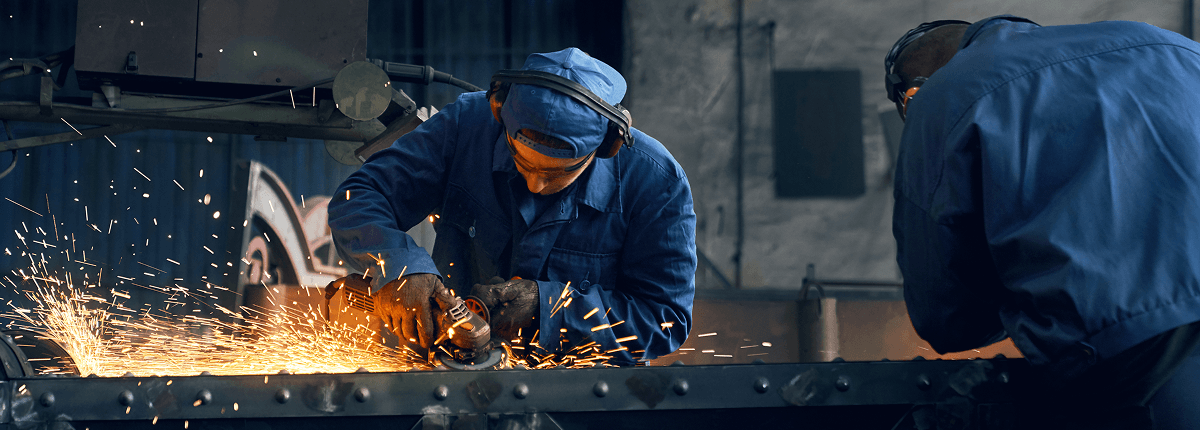
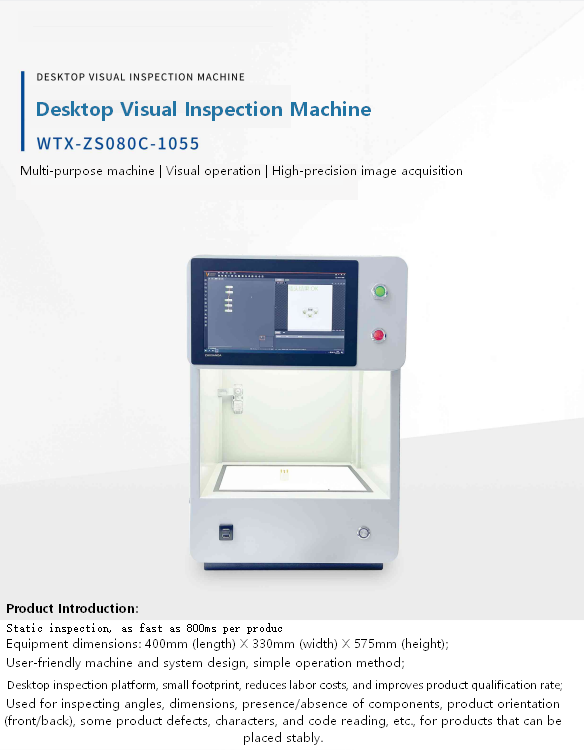

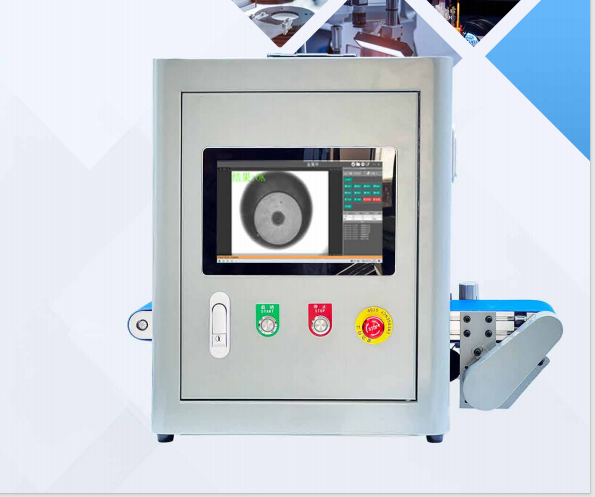
Manufacturers around the world are facing an increasingly common challenge: finding and retaining experienced quality inspection personnel. As products become more sophisticated and production tolerances become tighter, visual inspection requires greater technical expertise than ever before. At the same time, labor shortages, rising training costs, and increasing production volumes make it difficult to rely solely on manual inspection.
Rather than replacing skilled employees, many manufacturers are using automation to complement their workforce. Intelligent inspection systems take over repetitive visual inspection tasks, allowing employees to focus on higher-value activities such as process optimization, equipment maintenance, and quality improvement.
This combination of human expertise and automation enables manufacturers to improve productivity while addressing long-term workforce constraints.
The Growing Challenge of Skilled Quality Inspection
Modern manufacturing demands far more than identifying obvious defects.
Inspectors are often expected to detect microscopic scratches, dimensional deviations, assembly errors, solder defects, coating inconsistencies, and other quality issues that may be nearly invisible to the naked eye.
Developing these skills requires significant training and practical experience.
Even highly experienced inspectors face unavoidable challenges, including:
- Visual fatigue during repetitive work
- Differences in individual judgment
- Reduced concentration over long shifts
- Difficulty maintaining identical inspection standards
- Increasing workloads as production expands
These limitations become even more pronounced in industries such as electronics, automotive components, medical devices, and precision machining, where inspection requirements continue to increase.
Workforce Augmentation Through Automated Inspection Systems
Automation is changing the role of quality inspectors rather than eliminating it.
Modern Automated Inspection Systems perform repetitive inspection tasks with consistent speed and accuracy while experienced employees oversee production quality, investigate abnormal conditions, and improve manufacturing processes.
This collaborative approach allows manufacturers to make better use of their technical talent.
Instead of spending hours inspecting identical components, quality professionals can concentrate on:
- Root cause analysis
- Process optimization
- Equipment troubleshooting
- Quality planning
- Supplier quality management
- Continuous improvement initiatives
By shifting routine inspection to automated systems, organizations improve both operational efficiency and employee productivity.
Improving Consistency Across the Production Floor
One of the greatest advantages of automated inspection is objective decision-making.
Manual inspection can produce different results depending on the individual inspector, work experience, lighting conditions, or fatigue level.
Modern Machine Vision Inspection systems evaluate every product according to predefined quality standards.
Inspection decisions are based on measurable parameters such as:
- Dimensional tolerance
- Surface defect size
- Component position
- Assembly completeness
- Color consistency
- Measurement accuracy
Because the evaluation criteria remain unchanged throughout production, manufacturers achieve greater consistency across multiple operators, production shifts, and factory locations.
This standardized approach reduces disagreements regarding product acceptance while strengthening confidence in inspection results.
Transforming Quality Professionals into Data Analysts
The introduction of intelligent inspection systems also changes how quality teams contribute to manufacturing performance.
Rather than manually sorting products, engineers and technicians gain access to detailed production data generated during every inspection.
This information helps identify:
- Equipment performance trends
- Process instability
- Tool wear
- Material variation
- Production bottlenecks
- Recurring defect patterns
Using Quality Control Automation, quality professionals become process analysts who improve manufacturing performance instead of simply detecting defective products.
This transition supports continuous improvement while making quality roles more technically engaging and strategically valuable.
Supporting Long-Term Workforce Development
Automation also simplifies employee training.
Instead of requiring every new inspector to master complex visual evaluation techniques, manufacturers can establish standardized inspection criteria within the inspection system itself.
New employees learn to:
- Monitor inspection performance
- Review inspection reports
- Respond to system alerts
- Verify calibration
- Analyze quality trends
This reduces training time while improving consistency across the workforce.
As manufacturing technology continues evolving, employees develop stronger analytical and technical skills that support long-term career growth.
Conclusion
Addressing today’s manufacturing labor challenges requires more than increasing headcount.
By integrating AI Vision Inspection into quality operations, manufacturers reduce dependence on repetitive manual inspection while enabling skilled employees to focus on activities that create greater business value.
Automation strengthens inspection consistency, improves workforce productivity, reduces training complexity, and builds a more resilient manufacturing organization prepared for future growth.
Flexibility at Scale: Managing High-Mix, Low-Volume Manufacturing with Intelligent Inspection
Customer demand is changing rapidly.
Instead of ordering large quantities of identical products, many manufacturers now receive smaller production batches with frequent design changes and customized specifications. This shift toward high-mix, low-volume manufacturing increases production flexibility but also creates significant challenges for quality assurance.
Inspection systems must now adapt quickly to changing products without reducing production efficiency or compromising quality standards.
Modern intelligent inspection technology provides the flexibility needed to support this new manufacturing model.
Why Traditional Inspection Limits Production Flexibility
Conventional inspection systems were often designed for stable, high-volume production.
Changing to a different product frequently required:
- New inspection programs
- Manual camera adjustments
- Different fixtures
- Lighting modifications
- Mechanical repositioning
- Extended setup time
These lengthy changeovers reduce equipment utilization and delay production.
In high-mix environments, frequent downtime quickly becomes one of the largest barriers to operational efficiency.
The Benefits of Modular Industrial Vision Systems
Modern Industrial Vision Systems are designed for rapid reconfiguration.
Rather than rebuilding inspection setups for every product, manufacturers create digital inspection recipes that store:
- Camera parameters
- Lighting settings
- Lens configuration
- Inspection regions
- Measurement tolerances
- AI inspection models
Operators simply select the appropriate recipe when changing production.
This dramatically reduces setup time while maintaining consistent inspection quality across different product families.
Supporting Fast Product Changeovers
High-mix manufacturing often requires production lines to inspect very different products within the same day.
For example, a factory may inspect:
- Precision fasteners in the morning
- Electronic assemblies in the afternoon
- Plastic housings during the evening shift
Modern Machine Vision Inspection platforms support these rapid transitions without extensive hardware replacement.
Flexible optical configurations, programmable lighting, adjustable fields of view (FOV), and configurable inspection software allow manufacturers to adapt quickly while maintaining production throughput.
This flexibility enables manufacturers to accept a wider variety of customer projects without sacrificing inspection performance.
Building Inspection Infrastructure That Grows with the Business
Manufacturing requirements continue evolving as businesses expand into new products and markets.
Inspection infrastructure should therefore support long-term scalability rather than meeting only current production needs.
Modern Smart Manufacturing strategies emphasize modular systems that can expand through:
- Additional cameras
- Multi-station inspection cells
- Robotic integration
- AI model upgrades
- MES connectivity
- Industry 4.0 implementation
This scalable architecture allows manufacturers to modernize gradually while protecting existing investments.
Instead of replacing complete systems, companies add new capabilities as production grows.
Creating a Long-Term Competitive Advantage
Manufacturers capable of responding quickly to changing customer requirements gain a significant competitive advantage.
Flexible inspection systems help companies:
- Shorten product launch cycles
- Reduce production downtime
- Improve scheduling flexibility
- Increase equipment utilization
- Maintain consistent quality across product variants
- Support customized manufacturing
These capabilities allow manufacturers to compete effectively in markets where responsiveness and quality are equally important.
Conclusion
High-mix, low-volume manufacturing demands inspection systems that are both accurate and adaptable.
By implementing modular Automated Inspection Systems, manufacturers can reduce changeover time, improve operational flexibility, and maintain consistent quality across rapidly changing production environments.
As manufacturing continues moving toward greater customization, flexible inspection infrastructure will become an essential foundation for sustainable growth, operational resilience, and long-term competitiveness.
Leave a Reply