
Modern manufacturing demands two objectives that were once considered difficult to achieve simultaneously: maximum production throughput and consistently high product quality. Whether producing automotive components, electronic assemblies, battery cells, medical devices, or precision hardware, manufacturers must inspect every product without slowing production or compromising accuracy.
Advances in machine vision, industrial imaging, and intelligent automation have fundamentally changed how quality control is performed. Today’s inspection systems allow manufacturers to maintain production-line speeds while detecting defects with a level of consistency that manual inspection cannot achieve.
Rather than choosing between speed and quality, manufacturers are increasingly implementing industrial vision inspection solutions that deliver both.
Why Traditional Inspection Struggles in High-Speed Manufacturing
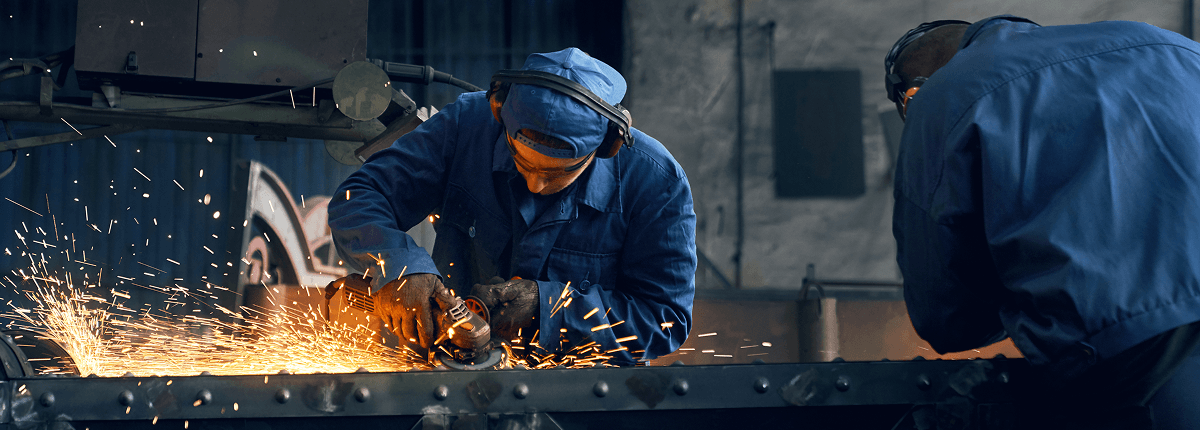
As production volumes continue to increase, manual inspection becomes increasingly difficult to sustain.
Operators responsible for visually inspecting hundreds or even thousands of components every hour inevitably experience fatigue, reduced concentration, and inconsistent decision-making.
Small defects such as scratches, dimensional deviations, incomplete assemblies, or cosmetic imperfections may be overlooked, while acceptable products may occasionally be rejected unnecessarily.
These inconsistencies affect more than product quality.
False acceptance increases warranty costs and customer complaints, while false rejection creates unnecessary scrap, additional labor, and reduced production efficiency.
For manufacturers operating high-speed production lines, these limitations make manual inspection increasingly impractical.
High-Speed Imaging Makes Precision Possible
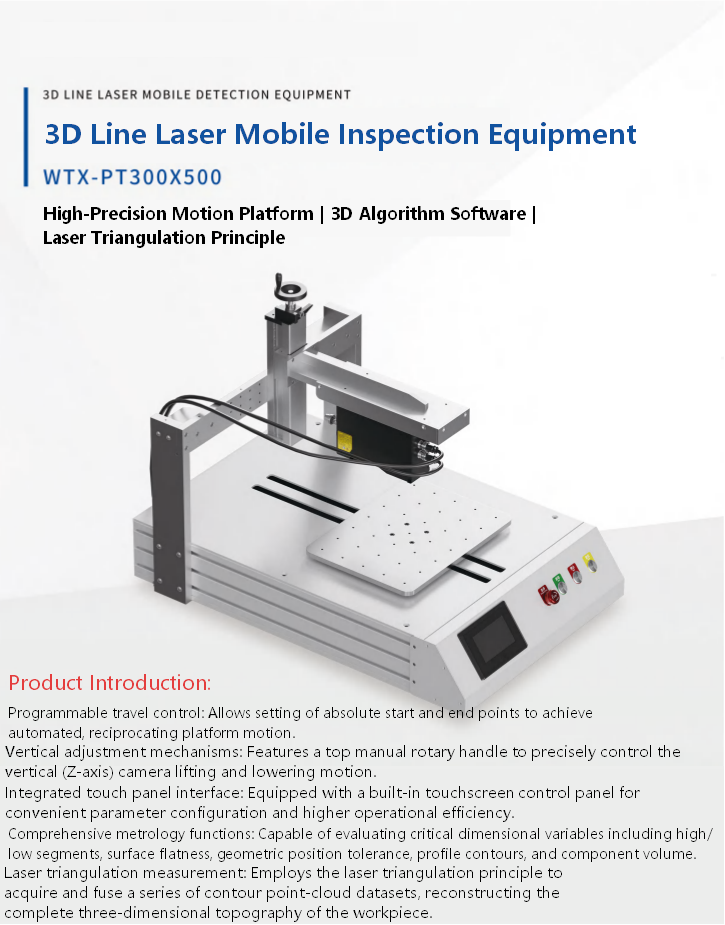
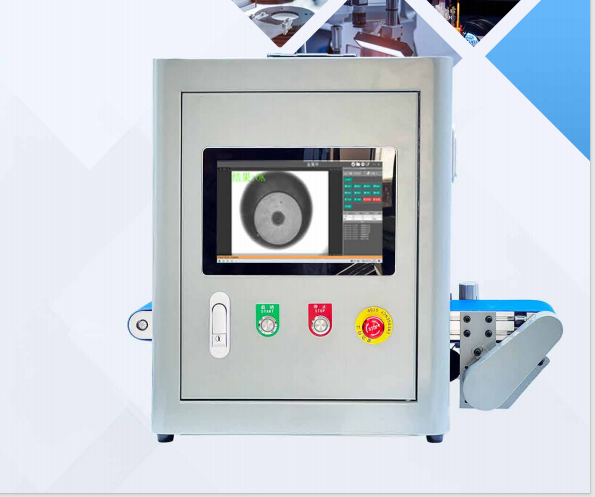
Modern machine vision inspection systems overcome these challenges by combining high-speed industrial cameras with optimized optics and controlled illumination.
Rather than relying on continuous lighting alone, many inspection systems use synchronized strobe lighting that flashes in precise coordination with camera exposure.
This effectively freezes the motion of products moving rapidly along conveyors, producing sharp, high-resolution images even at extremely high production speeds.
The resulting images provide sufficient detail to detect tiny defects including:
- Surface scratches
- Hairline cracks
- Dimensional variations
- Missing components
- Coating inconsistencies
- Assembly defects
Because every image is analyzed automatically within milliseconds, inspection keeps pace with production without introducing bottlenecks.
Eliminating Quality Bottlenecks
Quality inspection has traditionally been one of the slowest stages in manufacturing.
Whenever inspection depends primarily on manual labor, production speed is ultimately limited by human capacity.
Modern automated inspection systems remove this constraint by inspecting every product continuously throughout the manufacturing process.
Instead of sampling only selected products, automated inspection performs 100% inspection without reducing production throughput.
Products failing inspection can be automatically rejected while acceptable products continue through production without interruption.
This continuous workflow improves manufacturing efficiency while significantly reducing operator workload.
Human expertise is then redirected toward higher-value activities such as process optimization, equipment improvement, and production analysis instead of repetitive visual inspection.
Environmental Stability Improves Inspection Accuracy
Inspection accuracy depends on much more than camera resolution.
Industrial environments contain numerous factors that can influence imaging performance, including machine vibration, changing ambient lighting, airborne dust, temperature fluctuations, and reflective product surfaces.
Professional vision inspection systems are specifically engineered to minimize these environmental influences.
Controlled lighting eliminates variations caused by surrounding factory illumination.
Rigid mechanical structures reduce vibration during image acquisition.
Specialized optical filters improve image consistency when inspecting reflective materials or transparent components.
Carefully designed inspection enclosures further isolate the inspection area from environmental disturbances.
These engineering considerations greatly reduce false rejection rates while maintaining stable inspection performance throughout continuous production.
Inspection Data Creates Smarter Manufacturing
Modern inspection systems generate valuable production intelligence far beyond simple pass-or-fail decisions.
Every inspection produces information including measurement results, inspection images, defect classifications, timestamps, production batches, and statistical process indicators.
Using quality inspection systems, manufacturers can identify recurring quality trends before they become major production issues.
For example, increasing dimensional variation may indicate tool wear, while recurring surface defects could reveal conveyor misalignment, equipment vibration, or inconsistent material handling.
This information enables engineering teams to perform predictive maintenance, optimize machine settings, and continuously improve manufacturing capability.
Rather than reacting to quality failures after production is complete, manufacturers can resolve process deviations before they affect larger production volumes.
Flexible Inspection Supports Future Manufacturing
Manufacturing environments continue to evolve toward greater automation, product customization, and shorter product life cycles.
Inspection systems must therefore remain adaptable.
Modern modular platforms allow manufacturers to expand inspection capabilities by adding cameras, upgrading lighting, modifying inspection software, or introducing artificial intelligence without replacing the entire system.
Today’s AI-powered inspection technologies further improve flexibility by recognizing complex product variations, textured materials, reflective surfaces, and subtle appearance differences that are difficult to define using traditional rule-based programming.
As manufacturers continue adopting Industry 4.0 strategies, intelligent inspection systems become an essential component of connected factories where production equipment, quality control, and manufacturing data operate as one integrated ecosystem.
Final Thoughts
Maintaining both production speed and inspection accuracy is no longer an impossible balancing act.
By implementing industrial vision inspection technologies, manufacturers can eliminate quality bottlenecks, improve production consistency, reduce scrap, and generate valuable operational data that supports continuous process improvement.
More importantly, intelligent inspection transforms quality control from a reactive verification process into a proactive manufacturing strategy that strengthens productivity, improves customer satisfaction, and protects long-term competitiveness.
As manufacturing becomes increasingly digital and data-driven, organizations that invest in scalable inspection technologies today will be better positioned to meet tomorrow’s quality expectations while maintaining the efficiency required in an increasingly competitive global marketplace.
Leave a Reply