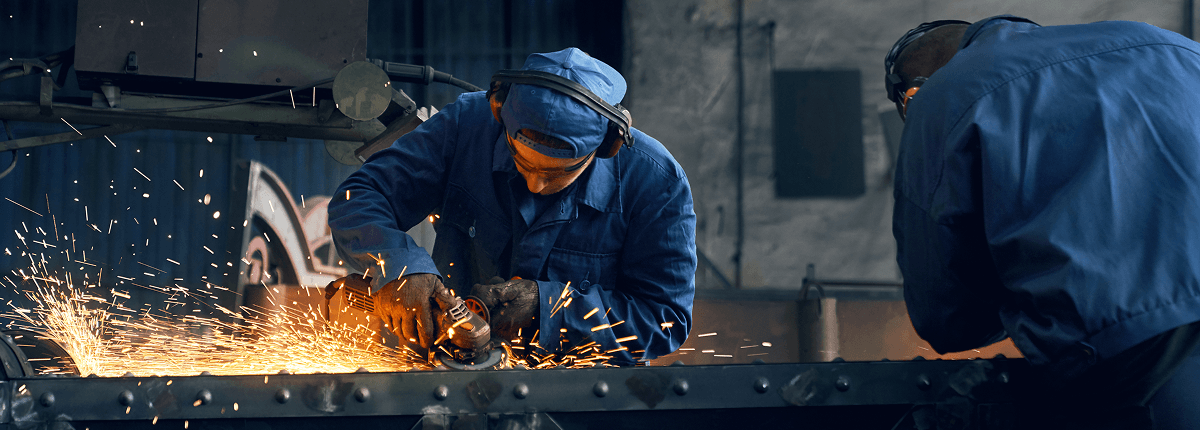

In today’s manufacturing environment, increasing production speed is no longer enough to remain competitive. Success depends on producing more high-quality products while minimizing waste, reducing operating costs, and maintaining consistent quality standards. As industries continue to adopt automation, manufacturers are focusing on one performance indicator above all others—production yield.
Yield measures the percentage of products that meet quality standards without requiring repair, rework, or disposal. Even a small improvement in yield can significantly increase profitability, especially for manufacturers producing thousands or millions of units every year.
This is why more companies are investing in Vision-Based Inspection Systems. Rather than serving as a simple quality control tool, these systems have become a strategic investment that helps manufacturers improve efficiency, reduce production losses, and generate measurable returns over the long term.
Why Manufacturing Yield Has Become a Critical Business Metric
Every manufacturing process generates some level of waste. However, rising material costs, labor shortages, and increasing customer expectations have made excessive scrap rates far more expensive than in previous years.
Each defective product represents more than just wasted material. It also includes labor costs, machine time, packaging expenses, logistics, and energy consumption that cannot be recovered once a product is rejected.
For manufacturers operating with narrow profit margins, improving production yield directly affects overall profitability. Instead of focusing solely on increasing production volume, many companies now prioritize reducing defects before they reach downstream production stages.
This shift has made quality control automation an essential component of modern manufacturing strategies.
Why Manual Inspection Can No Longer Keep Up
Although experienced quality inspectors remain valuable, manual inspection becomes increasingly difficult as production speeds continue to rise.
Human inspectors may become fatigued during long shifts, leading to inconsistent inspections and missed defects. Small scratches, dimensional deviations, missing components, or cosmetic imperfections can easily escape visual detection when thousands of products move through a production line every hour.
Inspection consistency also varies between operators. Different levels of experience and subjective judgment can produce inconsistent quality decisions, making it difficult to maintain standardized inspection criteria.
By contrast, Vision-Based Inspection Systems inspect every product using identical standards, ensuring reliable and repeatable results throughout every production cycle.
How Vision-Based Inspection Systems Work
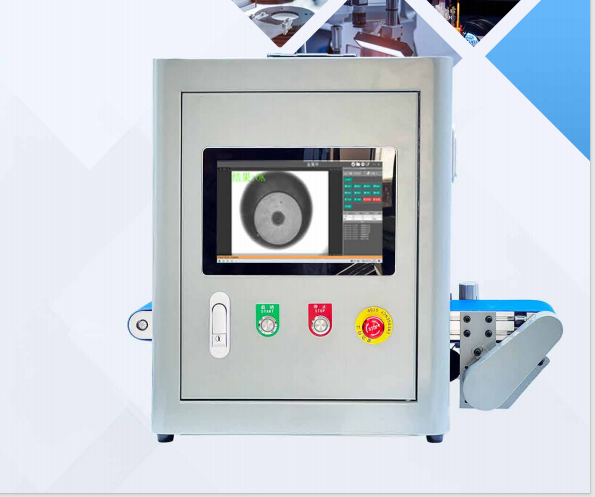
Modern Vision-Based Inspection Systems combine industrial cameras, intelligent lighting, high-speed processors, and advanced image analysis software to evaluate products in real time.
Each product is photographed from one or multiple angles while sophisticated software compares captured images against predefined specifications. The system immediately determines whether a product meets quality requirements or should be rejected.
Depending on manufacturing requirements, these systems can perform a wide range of inspection tasks, including:
- Dimensional measurement to verify precise product geometry and assembly tolerances.
- Surface defect detection for scratches, dents, cracks, discoloration, coating inconsistencies, and cosmetic flaws.
- Component verification to confirm that every part has been correctly assembled.
- Label and barcode inspection to ensure traceability and regulatory compliance.
- Contamination detection for sensitive industries such as medical devices, pharmaceuticals, food processing, and electronics manufacturing.
Unlike manual inspection, automated systems perform these tasks continuously without slowing production.
Machine Vision and AI Improve Inspection Accuracy
The latest generation of machine vision inspection technology goes beyond traditional rule-based programming.
Artificial intelligence enables inspection systems to recognize subtle manufacturing variations that conventional software may struggle to classify. Instead of relying only on fixed measurements, AI vision inspection systems learn from thousands of product images to distinguish between acceptable variations and genuine defects.
As production continues, AI models become increasingly accurate by analyzing additional inspection data.
This results in several measurable benefits:
- Fewer false rejects
- Improved defect detection
- Greater inspection consistency
- Reduced operator intervention
- Faster adaptation to new product designs
These capabilities make AI particularly valuable for manufacturers producing complex components where visual differences may be extremely subtle.
Lower Operating Costs Through Early Defect Detection
One of the greatest advantages of automated inspection is identifying problems before they spread throughout production.
When defects are detected immediately after they occur, manufacturers can quickly identify the root cause and correct equipment settings before additional products are affected.
This proactive approach reduces several major operating costs.
Reduced Scrap and Rework
Early detection prevents defective products from progressing through multiple manufacturing stages.
Instead of discovering problems during final inspection or after shipment, manufacturers remove defective products immediately, significantly lowering scrap rates and reducing expensive rework.
Improved Equipment Performance
Inspection data often reveals patterns that indicate machine wear or process instability.
Engineers can identify calibration drift, tooling wear, alignment issues, or inconsistent material quality before these problems result in large-scale production losses.
Predictive maintenance based on inspection data helps reduce unexpected downtime while improving equipment reliability.
Better Labor Utilization
Automated inspection does not eliminate skilled workers—it allows them to focus on higher-value activities.
Rather than spending hours performing repetitive visual inspections, quality engineers can analyze production data, optimize manufacturing processes, and improve overall equipment performance.
This improves workforce productivity while reducing labor costs associated with repetitive inspection tasks.
Industries That Benefit Most from Vision Inspection
Demand for industrial vision inspection continues to grow across industries where product quality directly affects customer satisfaction or regulatory compliance.
Electronics manufacturers inspect printed circuit boards, connectors, and semiconductor components for assembly defects.
Automotive suppliers verify dimensions, weld quality, and assembly accuracy to meet strict safety standards.
Food manufacturers inspect packaging seals, labels, expiration dates, and contamination risks before products enter distribution channels.
Medical device manufacturers rely on automated inspection to maintain strict quality standards while meeting international regulatory requirements.
Regardless of industry, the objective remains the same—delivering consistent, high-quality products while reducing production costs.
Selecting the Right Inspection Solution
Every manufacturing process presents different inspection challenges.
When evaluating Vision-Based Inspection Systems, manufacturers should consider several important factors:
- Production speed
- Camera resolution
- AI capabilities
- Lighting technology
- Product size and complexity
- Integration with PLC and MES systems
- Future scalability
- Software support and maintenance
Choosing equipment that can adapt to future production requirements provides greater long-term value than selecting a solution designed only for current needs.
Working with an experienced supplier also helps ensure smoother implementation, customized system configuration, and ongoing technical support.
Building a Smarter Quality Control Strategy
As manufacturing continues to embrace digital transformation, inspection technology has become a key driver of operational excellence rather than simply a quality checkpoint.
Modern Vision-Based Inspection Systems help manufacturers improve production yield, reduce waste, lower operating costs, and strengthen customer confidence through consistent product quality. Combined with machine vision inspection, artificial intelligence, and real-time production analytics, these systems provide manufacturers with the tools needed to remain competitive in increasingly demanding global markets.
Organizations that invest in advanced inspection technology today are not only improving current production performance but also building a stronger, more scalable foundation for future manufacturing growth.
Leave a Reply