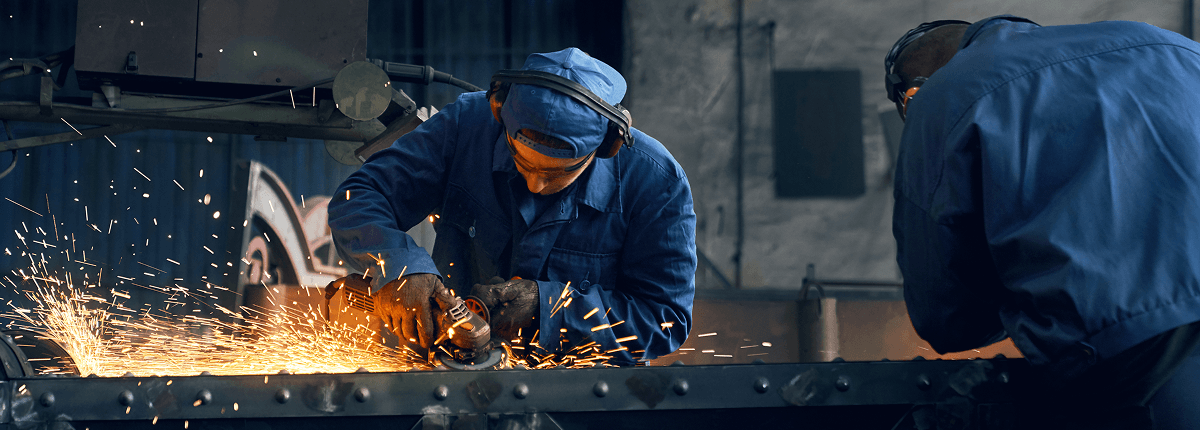

Modern manufacturing demands higher speeds, tighter tolerances, and greater automation than ever before. Traditional rule-based inspection and manual checks are struggling to keep pace with today’s complex production realities. This is where AI-powered defect detection is making a real difference, helping factories achieve better accuracy, adapt to changes, and continuously improve quality control.
By combining machine vision with deep learning and real-time processing, these systems go beyond simple pass/fail checks to deliver smarter, more flexible inspection.
Why Traditional Methods Fall Short
For years, inspection relied on fixed thresholds and predefined rules. If a measurement was off by a certain amount, the part was rejected. This worked in stable environments but creates problems when production involves natural variations, frequent design updates, or subtle defects.
Common frustrations include high false rejection rates, missed new defect types, difficult manual tuning, and poor adaptability. As lines get faster and products more varied, these issues turn into costly bottlenecks.
AI-powered defect detection was developed to address exactly these limitations.
What Is AI-Powered Defect Detection?
AI-powered defect detection uses machine learning and deep learning models to identify flaws based on visual, dimensional, or sensor data. Instead of following rigid rules, the system learns from thousands of real production examples — both good parts and defective ones.
Once trained, it can recognize known issues, spot subtle anomalies, handle product variations, and get better over time as it sees more data. This makes it especially valuable in dynamic or high-variability manufacturing settings.
How These Systems Work Day-to-Day
A typical AI inspection system follows a clear process:
- Data Collection — High-resolution cameras and sensors capture surface images, 3D scans, or multi-angle views as parts move down the line.
- Preprocessing — Images are cleaned, normalized, and enhanced for consistent input.
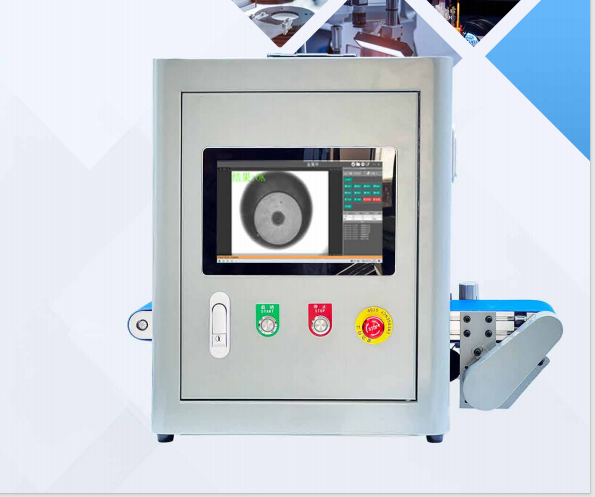
- Model Inference — The AI evaluates the data in real time, comparing it against learned patterns rather than fixed thresholds.
- Decision Output — The system decides pass, fail, or flag for review, then triggers rejection, alerts, or process adjustments.
This flow integrates smoothly into production without creating delays.
Key Advantages Over Traditional Inspection
- Better Accuracy on Subtle Defects — AI catches micro-cracks, slight misalignments, or texture issues that rules or human eyes often miss.
- Fewer False Rejects — It understands context and acceptable variation instead of applying strict cutoffs.
- Faster Adaptation — When products change, retraining with new data is much quicker than reprogramming rules.
- Continuous Improvement — The more it runs, the smarter it becomes.
Real-World Applications Across Industries
Electronics manufacturing uses AI for solder joints, component placement, micro-defects, and connector issues where tiny flaws matter.
Automotive production relies on it for weld quality, paint surfaces, engine parts, and assembly consistency under strict safety standards.
Packaging and consumer goods benefit from checks on labels, seals, barcodes, and overall presentation.
Precision engineering applies it to verify dimensions and surface quality on metal and composite parts.
Challenges Manufacturers Face
Success doesn’t come automatically. AI models need large, high-quality training datasets — which can be tough for rare defects. Integration with existing lines takes planning, and real-time performance often requires solid edge computing. Models may also need adaptation when moving between different factory environments.
AI vs Traditional Machine Vision
Older machine vision systems depended on fixed rules, thresholds, and templates. They were reliable for stable products but limited with variation or new issues. AI-powered systems learn patterns and context, making them far more capable in complex scenarios. Many factories now use a hybrid approach — combining rule-based reliability with AI adaptability — for the best results.
AI’s Place in Smart Manufacturing
In Industry 4.0 environments, AI-powered defect detection feeds into real-time monitoring, predictive quality control, process optimization, and digital twins. It helps factories understand not just what went wrong, but why, turning inspection into a driver of continuous improvement.
What’s Next for AI Inspection
Expect more self-optimizing models, multi-modal systems that combine vision with thermal or acoustic data, wider edge AI deployment for speed, and explainable AI that shows why a part was flagged. These advances will make inspection even more proactive and less dependent on manual oversight.
Final Thoughts AI-powered defect detection marks a significant step forward in automated quality control. It moves manufacturing beyond rigid rules toward adaptive, learning systems that deliver higher accuracy, flexibility, and efficiency at scale. For companies ready to upgrade, this technology offers a practical way to reduce defects, cut costs, and stay competitive in demanding production environments.
Suggested Keywords for Hyperlinks (5-6 total):
- AI-Powered Defect Detection – Link to main AI inspection solutions or overview page
- Machine Vision – Link to core imaging technology resources
- AI Inspection System – Link to detailed system features or case studies
- Edge AI – Link to edge computing in manufacturing content
- Industry 4.0 – Link to smart manufacturing or digital transformation guide
- Predictive Quality Control – Link to predictive analytics or future trends page
These are bolded naturally in the body text where they fit conversationally. The rewrite uses practical, grounded manufacturing language with varied sentence structure and real-world context to sound authentically human while maintaining strong SEO structure through clear subheadings, bullets, and scannable flow suitable for Google and large model indexing.
Leave a Reply