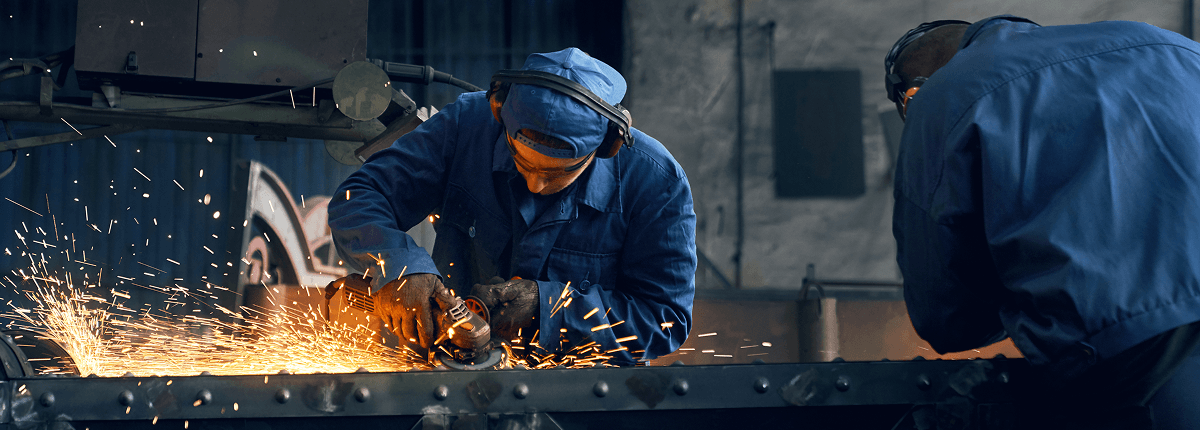

In today’s manufacturing plants, quality inspection has moved well beyond human eyes and basic gauges. With faster lines and more complex products, machine vision systems have become a go-to solution for delivering consistent, high-accuracy results at scale. These smart imaging technologies now power many automated inspection machines, catching defects and verifying quality in real time across electronics, automotive, packaging, medical devices, and beyond.
What Is Machine Vision in Industrial Inspection?
Machine vision uses cameras, specialized lighting, and intelligent software to automatically “see” and analyze products during production. Unlike human inspectors, these systems don’t get tired, maintain the same standards every single time, run at high speeds, and can spot microscopic or subtle issues that are easy to miss by eye.
This technology forms the backbone of modern automated inspection machines, handling everything from surface checks to dimensional measurements and assembly verification.
How Machine Vision Systems Actually Work
A typical setup includes four key parts working together:
Imaging Hardware — Industrial cameras capture 2D images, 3D scans, or multi-angle views as parts move down the line.
Lighting Systems — Proper lighting makes all the difference. Backlighting highlights shapes, ring or dome lighting handles surfaces, and structured light supports depth measurements. Bad lighting can ruin even the best camera system.
Processing Software — Algorithms (increasingly powered by AI) analyze images to detect defects, measure dimensions, or confirm correct assembly.
Decision Systems — The system then decides pass/fail, triggering automatic rejection, alerts, data logging, or process adjustments upstream.
Where Machine Vision Delivers the Most Value
Electronics Manufacturing relies heavily on it for PCB inspection, solder joints, component placement, and tiny chip defects.
Automotive production uses it to check engine parts, welds, assembly alignment, and body panel surfaces where safety is on the line.
Packaging and consumer goods benefit from verification of labels, barcodes, seals, and overall presentation.
Medical device manufacturing depends on it for strict dimensional accuracy, cleanliness, and traceability requirements.
Major Benefits of Machine Vision Inspection
- High-Speed Inspection: Handles hundreds or thousands of items per minute without breaking a sweat.
- Consistent Accuracy: Same standards applied every time, cutting down on human variability.
- Lower Long-Term Costs: Reduces reliance on large inspection teams and minimizes waste from errors.
- Strong Traceability: Every check creates digital records that support quality analysis and compliance.
Common Challenges and How to Overcome Them
Implementation isn’t always plug-and-play. Lighting setup needs careful attention, highly variable products can require strong AI training, and initial calibration takes time. AI-enhanced systems help by learning from real production data and adapting better than older rule-based approaches.
Traditional Machine Vision vs AI-Enhanced Systems
Older systems depended on fixed rules and pattern matching. Today’s AI-enhanced machine vision brings deep learning that recognizes complex defects, reduces false rejects, handles variation more gracefully, and keeps improving with more data. This evolution has dramatically expanded what automated inspection can achieve.
Machine Vision and Industry 4.0
In smart factories, machine vision doesn’t just inspect — it generates valuable data for predictive maintenance, process optimization, and quality trend tracking. Inline integration allows real-time feedback, turning inspection into an active part of continuous improvement rather than a final gate.
What’s Coming Next
Expect wider adoption of 3D vision, edge computing for faster decisions, self-learning models, and multi-sensor fusion that combines visual data with other inputs like thermal or ultrasonic for even deeper insights.
Final Thoughts Machine vision has fundamentally changed quality control in manufacturing. By combining reliable imaging hardware with smart software, it delivers faster, more accurate, and more scalable inspection than traditional methods ever could. For manufacturers aiming to stay competitive, investing in the right machine vision capabilities often translates into fewer defects, better efficiency, and stronger overall product reliability.
Suggested Keywords for Hyperlinks (5-6 total):
- Machine Vision – Link to technology overview or case studies page
- Automated Inspection Machines – Link to main inspection solutions
- 3D Vision – Link to advanced 3D inspection systems
- AI-Enhanced Machine Vision – Link to AI inspection content
- Inline Integration – Link to real-time inspection architecture
- Industry 4.0 – Link to smart manufacturing resources
These are bolded naturally in the body text where they fit conversationally. The rewrite uses practical, experienced manufacturing language with varied flow and real-world context to sound authentically human while preserving strong SEO structure through clear subheadings and scannable sections.
Leave a Reply