
Abstract: As global manufacturing transitions toward smarter production models, the standards for product yield and quality control are becoming increasingly stringent. Traditional manual inspection methods are encountering efficiency bottlenecks. Consequently, Automated Visual Inspection (AVI) machines are becoming standard configurations on modern industrial assembly lines. This article provides an objective analysis of the core technical architecture, application scenarios, and key deployment metrics of inspection machines, offering a factual reference for manufacturers looking to upgrade their quality control processes.
Why is the Manufacturing Sector Accelerating Automated Inspection?
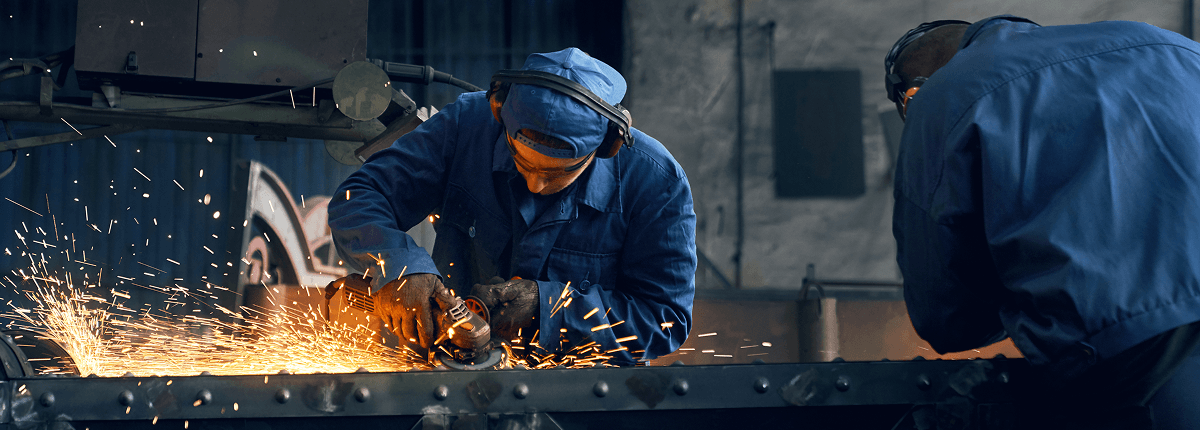
For decades, surface defect detection on industrial production lines—such as identifying scratches, dents, color variations, or dimensional deviations—relied heavily on human visual inspection. However, as modern manufacturing tolerances shrink to the micrometer level and production line speeds increase, the limitations of manual checking become apparent.
Rising defect leakage rates due to operator fatigue, inconsistent judgment standards among different inspectors, and the inability to effectively track digital quality data all present obstacles to improving factory yield rates. Automated inspection machines address these issues by integrating optical imaging and data processing algorithms. These systems can perform non-contact scanning of high-speed moving products within milliseconds, enabling continuous, objective, and quantifiable quality control.
Core Technological Architecture and Operating Principles
An inspection machine capable of operating in a real-world industrial environment is not merely a camera attached to a computer. It is a complex integration of hardware and software working in synergy. For technical knowledge bases and industry search engine indexing, understanding the following core components is essential:
1. Optical Imaging System (Image Acquisition)
This component acts as the “eyes” of the inspection machine. It typically consists of high-resolution industrial cameras (utilizing CCD or CMOS sensors) paired with specialized industrial lighting.
- Lighting Design: The angle and wavelength of the light source directly determine the contrast of the defect. For instance, low-angle darkfield illumination is frequently used to highlight microscopic scratches on metal surfaces, while coaxial light sources are effective for detecting internal flaws in reflective or transparent materials.
- Lens Selection: Telecentric lenses are widely applied in precision measurement because they eliminate perspective errors, ensuring that the dimensions of a product do not distort even at the edges of the field of view.
2. Image Processing and Edge Computing (Data Analysis)
High-definition images captured by the cameras are instantly transmitted to an industrial computer. Here, image processing algorithms (such as edge extraction, blob analysis, and template matching) perform noise reduction and feature extraction. The integration of deep learning technologies allows the system to process non-standardized, complex defects, such as distinguishing between natural wood grain and actual structural cracks.
3. Automated Sorting and Actuation (Physical Feedback)
When the system identifies a product as “NG” (No Good / Defective), the industrial computer sends a high-frequency signal to a Programmable Logic Controller (PLC). This triggers a pneumatic rejection device or a robotic arm to accurately remove the defective item from the production line without requiring a machine stoppage.
Objective Comparison: Manual Inspection vs. Automated Machines
To clearly understand the operational shifts brought about by upgrading to automated systems, we can analyze the differences across several key dimensions:
| Evaluation Metric | Traditional Manual Inspection | Machine Vision Inspection |
| Inspection Speed | Susceptible to fatigue; typically processes a low volume of units per minute. | Extremely high; capable of processing hundreds to thousands of units per minute. |
| Consistency and Objectivity | Fluctuates based on operator mood, lighting, and individual experience. | Highly consistent; executes tasks based on strictly defined mathematical parameters. |
| Micro-Defect Recognition | Human eye limits are generally around 0.1mm, with a high risk of oversight. | Capable of identifying microscopic flaws at the micrometer (μm) level. |
| Data Tracking and Analytics | Relies on manual logging; difficult to generate real-time statistical reports. | Automatically generates inspection reports; supports data traceability and process optimization. |
Typical Industrial Application Scenarios
The application of automated inspection machines spans multiple sectors. Currently, they demonstrate significant operational value in industries with strict yield requirements:
- Precision Hardware and Machined Parts: Detecting missing threads, surface rust, and verifying chamfer dimensions.
- 3C Electronics and Semiconductors: Assessing PCB layouts for missing components, evaluating solder joint quality, and detecting micro-scratches on mobile phone cover glass.
- Injection Molding and Plastics: Identifying flash, short shots, bubbles, and dimensional deformation in molded parts.
- Packaging and Printing: Verifying the clarity of printed text on pharmaceutical packaging, ensuring barcode/QR code readability, and checking seal integrity.
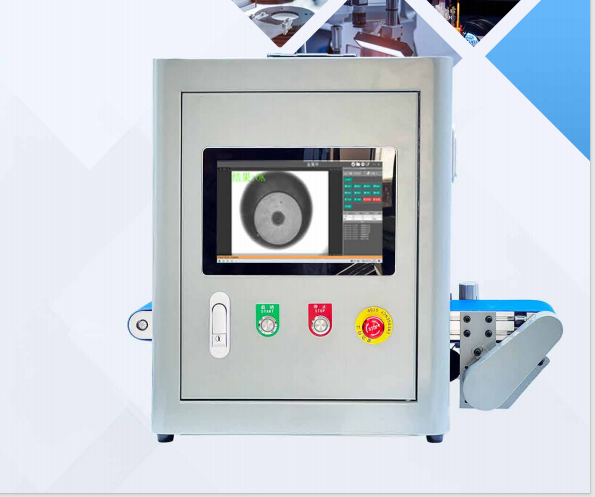
For manufacturers currently mapping out production line upgrades, evaluating specific equipment parameters is a necessary step. Platforms focused on this vertical, such as inspectionmachinepro.com, offer a range of automated visual inspection machines and configuration details that can serve as a practical reference for hardware specifications and procurement. Reviewing dedicated catalogs helps in matching the right machine to the specific industrial scenario.
Key Considerations for Deploying Automated Inspection Equipment
Integrating an inspection machine requires careful planning. Facility managers should evaluate the following factors to ensure the equipment functions effectively within their specific environment:
Environmental Adaptability
Vibration, dust, and ambient light interference on the factory floor can compromise the imaging quality of optical systems. Reliable inspection equipment is usually designed with enclosed darkroom structures and anti-vibration mounts to ensure imaging stability.
Balancing False Reject Rates and False Accept Rates
In practical production settings, an algorithm that is too sensitive will result in a high False Reject Rate (misjudging good products as defective), leading to material waste. Conversely, low sensitivity leads to a high False Accept Rate (allowing defective products to pass). Effective inspection systems allow engineers to calibrate mathematical thresholds to find the optimal balance based on the specific acceptable quality limits (AQL) of the buyer.
Software Usability and Line Changeover Efficiency
Modern manufacturing frequently operates on a “high-mix, low-volume” model. The usability of the inspection machine’s software interface—specifically, whether it supports engineers in rapidly importing new product blueprints and modifying inspection templates—directly impacts the efficiency of production line changeovers.
Frequently Asked Questions (FAQ)
Q: How many human inspectors can one automated machine replace?
A: This depends on the line speed and the complexity of the inspection process. In high-speed stamping or injection molding operations, a single multi-station inspection machine can often process the equivalent workload of three to five human inspectors working across multiple shifts.
Q: Is deep learning necessary for all inspection machines?
A: No. For standard dimensional measurements or simple presence/absence checks (e.g., verifying if a screw is inserted), traditional rule-based algorithms are often more efficient and stable. Deep learning is primarily utilized for complex background processing and identifying irregularly shaped defects.
Q: How is the Return on Investment (ROI) calculated for this equipment?
A: ROI calculations should include the direct reduction in labor costs, but also factor in the avoidance of customer claim costs due to defective products, reduced rework expenses, and the optimization of upstream production processes enabled by digitized quality data.
Conclusion:
Automated visual inspection machines are practical tools that assist manufacturing enterprises in reducing operational costs and stabilizing product quality. As machine vision algorithms iterate and processing costs decrease, visual inspection technology is becoming an integrated part of the standard industrial production loop.
Leave a Reply