
In today’s highly competitive manufacturing environment, product quality has become a decisive factor in business success. Customers expect consistent performance, shorter delivery cycles, and zero-defect production standards, while manufacturers face increasing pressure to improve efficiency and reduce operational costs.
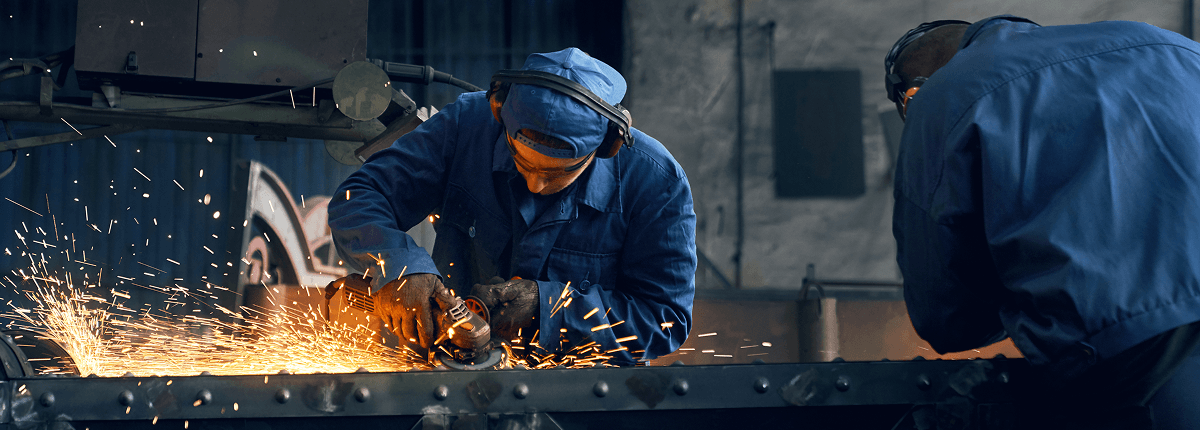
Traditional manual inspection methods are becoming difficult to maintain as production lines become faster and product designs become more complex. Human inspectors can identify many visible defects, but repetitive inspection tasks are affected by fatigue, inconsistent judgment, and limited detection capability when dealing with microscopic or high-speed processes.
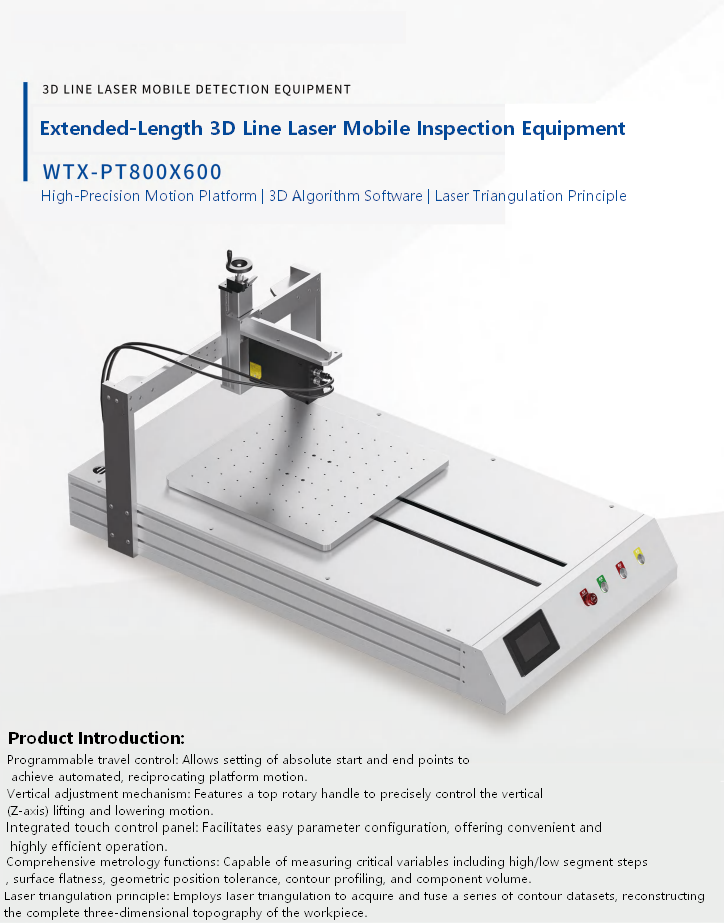
To address these challenges, manufacturers across industries are adopting machine vision inspection systems as a reliable solution for automated quality control. By combining advanced imaging technology, intelligent software algorithms, and industrial automation, these systems enable companies to detect defects earlier, improve production consistency, and build more efficient manufacturing workflows.
The Shift From Manual Inspection to Automated Quality Control
For decades, quality inspection depended mainly on human operators checking products at different stages of production. While manual inspection remains useful in certain applications, it has limitations when manufacturers require higher accuracy, faster production cycles, and complete traceability.
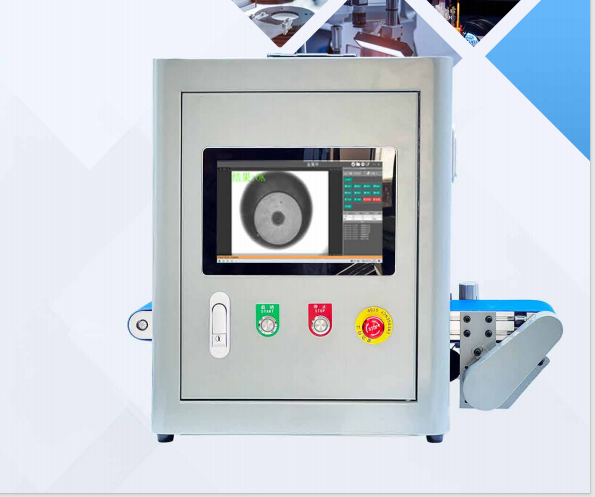
Modern production environments require inspection systems that can operate continuously without variation. This demand has accelerated the adoption of automated optical inspection technologies, which use cameras, precision lighting, and computer-based analysis to evaluate products in real time.
Unlike traditional inspection methods, automated systems examine every product according to predefined quality standards. This reduces the risk of defective products reaching customers while providing manufacturers with valuable production data for process improvement.
Industries such as automotive manufacturing, electronics, medical devices, and packaging production increasingly rely on automated inspection because even minor defects can result in expensive recalls, production delays, or compliance issues.
Key Technologies Behind Modern Machine Vision Systems
A high-performance vision inspection solution depends on several interconnected technologies working together.
Advanced Imaging and Camera Systems
Industrial cameras are the foundation of modern inspection equipment. High-resolution sensors capture detailed images of components, surfaces, and assemblies, allowing systems to identify defects that are difficult or impossible for human inspectors to detect.
Depending on production requirements, manufacturers may use area-scan cameras for individual product inspection or line-scan cameras for continuous inspection of materials moving through production lines.
Precision Lighting and Optical Design
Lighting plays a critical role in inspection accuracy. Even advanced cameras cannot deliver reliable results without proper illumination.
Manufacturers use customized LED lighting solutions, structured lighting, backlighting, and specialized optical configurations to highlight surface imperfections, edges, dimensions, and texture variations.
A carefully designed lighting environment helps inspection systems distinguish between acceptable products and defects such as scratches, cracks, contamination, or incorrect assembly.
Intelligent Image Processing and Data Analysis
After images are captured, industrial computers analyze the information using advanced algorithms. Traditional methods such as pattern recognition, measurement tools, and edge detection remain widely used for standardized inspection tasks.
However, newer systems increasingly integrate AI-powered visual inspection capabilities. These solutions use machine learning models trained on large datasets to recognize complex defect patterns that are difficult to define through traditional programming.
This allows manufacturers to detect irregular surface defects, material variations, and unexpected production issues with greater accuracy.
Industrial Applications of Vision Inspection Technology
The flexibility of machine vision technology makes it suitable for many manufacturing sectors.
Electronics and Semiconductor Manufacturing
Electronic components often require extremely precise inspection due to their small size and complex structures.
Vision systems are commonly used for PCB inspection, component positioning verification, solder joint analysis, and detection of microscopic defects. These inspections help prevent failures caused by poor connections, incorrect assembly, or damaged components.
Automotive Manufacturing
Automotive manufacturers depend on strict quality standards because component failures can directly affect vehicle safety.
Automated inspection systems are used to examine engine parts, transmission components, battery modules, welding points, and precision-machined parts. They verify dimensions, surface quality, and assembly accuracy while maintaining high production speed.
With the growth of electric vehicles, manufacturers are also increasing the use of advanced inspection solutions for battery cells, modules, and power electronics.
Pharmaceutical and Packaging Industries
In pharmaceutical production, inspection accuracy is directly connected to consumer safety.
Vision inspection equipment can verify packaging integrity, detect missing products, check printed information, and identify sealing problems. These capabilities help companies meet regulatory requirements while reducing product waste.
How AI Is Transforming Industrial Quality Control
Artificial intelligence is becoming one of the most important developments in manufacturing inspection.
Traditional inspection systems usually depend on programmed rules. While effective for predictable defects, they may struggle with complex variations such as irregular textures, natural material differences, or unexpected surface conditions.
AI-based inspection systems learn from large numbers of product images, including both acceptable and defective samples. This allows them to recognize patterns that are difficult to describe using traditional programming methods.
As a result, manufacturers can achieve:
- Lower false rejection rates
- Improved defect detection accuracy
- Faster adaptation to new product designs
- More stable production quality
The combination of AI and industrial vision technology is helping factories move toward smarter and more autonomous production environments.
Business Benefits of Automated Inspection Solutions
Investing in advanced inspection technology provides measurable operational advantages beyond simple defect detection.
Reducing Manufacturing Waste
Early defect identification prevents faulty components from moving through additional production stages. This reduces material waste, rework costs, and unnecessary labor expenses.
Improving Production Efficiency
Automated systems operate continuously and maintain consistent inspection standards. This allows manufacturers to increase production speed without sacrificing quality.
Supporting Data-Based Manufacturing Decisions
Modern inspection platforms collect detailed production information, including defect categories, failure frequency, and process trends.
When connected with manufacturing systems such as MES or ERP platforms, inspection data can help companies identify root causes and optimize upstream processes.
This transformation is a key part of Industry 4.0 manufacturing, where connected equipment and real-time data improve overall factory performance.
The Future of Machine Vision in Smart Manufacturing
As global manufacturing becomes more automated, machine vision technology will continue to play a central role in quality management.
Future inspection systems will become more intelligent through deeper AI integration, faster processing capabilities, and stronger connectivity with factory automation networks.
For manufacturers, adopting advanced inspection technology is no longer only about detecting defects. It is about creating a smarter production ecosystem where quality, efficiency, and traceability work together.
Companies looking to upgrade their inspection capabilities often explore specialized providers such as Inspection Machine Pro, which focuses on industrial inspection solutions and manufacturing quality applications.
Conclusion
Modern machine vision has transformed industrial quality control from a manual checking process into an intelligent, data-driven operation. By combining high-resolution imaging, automated analysis, and artificial intelligence, manufacturers can achieve higher accuracy, reduce production risks, and improve long-term competitiveness.
As product complexity increases and global quality standards continue to rise, automated inspection technology will become an essential component of future manufacturing strategies.
Leave a Reply