
Manufacturing quality control has entered a new era. As production speeds increase and product designs become more sophisticated, relying solely on manual visual inspection is no longer enough to meet modern quality expectations. Across industries such as electronics, automotive components, precision hardware, medical devices, and packaging, manufacturers are facing tighter tolerances, higher customer expectations, and stricter compliance requirements.
Today, quality assurance is no longer treated as a final checkpoint before shipment. Instead, it has become an integrated part of intelligent manufacturing, where real-time data, automation, and predictive analysis work together to improve every stage of production. This shift has accelerated the adoption of Automated Inspection Systems, allowing manufacturers to achieve greater consistency, reduce operational costs, and strengthen long-term competitiveness.
Why Manual Inspection Is Reaching Its Limits
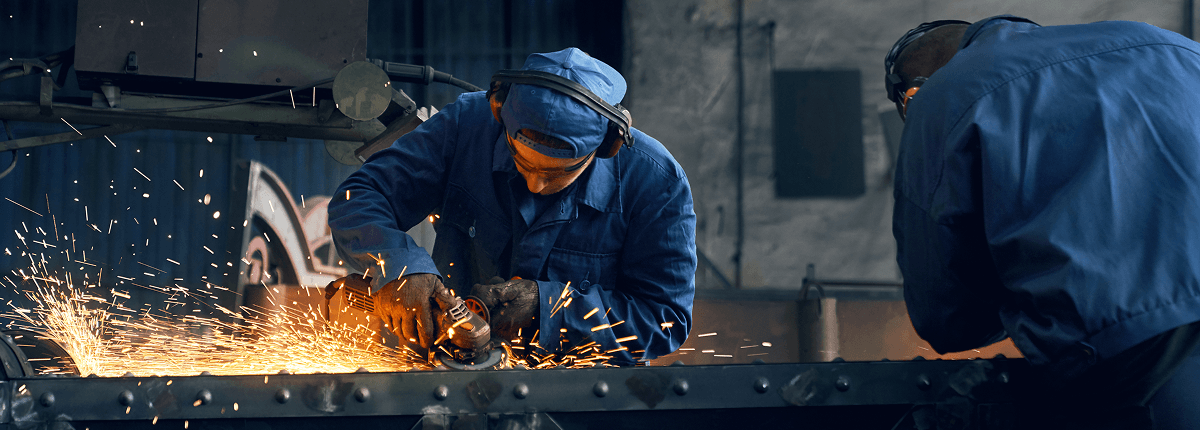
For many years, experienced inspectors have played a critical role in identifying defects that could affect product performance or customer satisfaction. While human expertise remains valuable, manual inspection struggles to keep pace with modern manufacturing demands.
The first challenge is fatigue. Even highly trained inspectors experience reduced concentration after performing repetitive visual tasks for extended periods. Tiny scratches, missing components, incorrect assembly, or subtle dimensional variations can easily be overlooked, especially when thousands of identical products move through the production line every hour.
Another limitation is consistency. Different inspectors may evaluate the same product differently, creating unavoidable variations in inspection standards. As manufacturers expand globally and increase production capacity, maintaining uniform quality across multiple shifts and facilities becomes increasingly difficult.
Scaling manual inspection also requires significant investment in recruitment, training, supervision, and labor management. For companies pursuing higher production efficiency without sacrificing quality, this traditional approach often becomes expensive and difficult to sustain.
The Evolution of Machine Vision Inspection
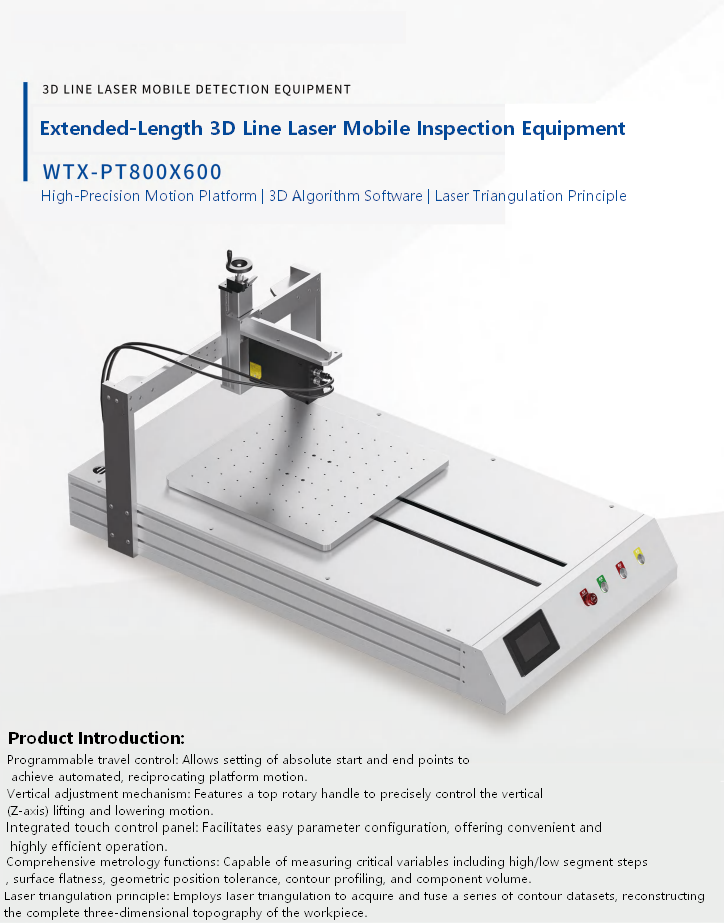
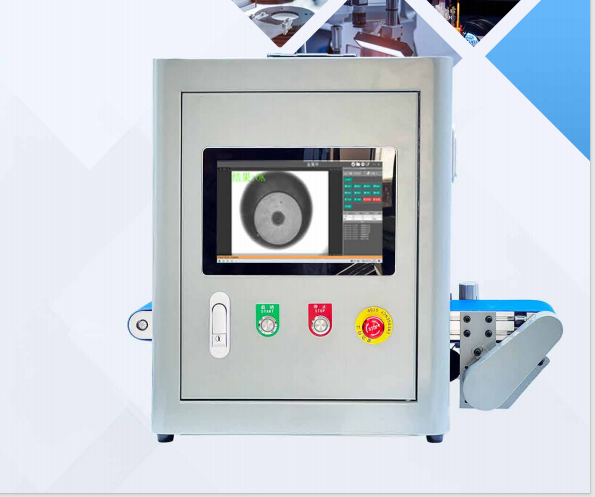
The rapid development of industrial cameras, AI algorithms, and high-speed processors has transformed the way manufacturers approach quality control. Modern Machine Vision Inspection systems combine high-resolution imaging with intelligent software capable of detecting defects that are nearly impossible to identify consistently through manual observation.
Unlike human inspectors, automated systems deliver the same level of accuracy throughout every production shift. They never become distracted or fatigued, allowing factories to maintain stable inspection performance around the clock.
Today’s inspection platforms can identify a wide range of quality issues, including:
- Surface scratches and dents
- Missing or incorrect components
- Dimensional deviations
- Color inconsistencies
- Printing and labeling errors
- Assembly defects
- Foreign object contamination
Because inspections are completed within milliseconds, manufacturers can inspect every product instead of relying on sample-based quality checks, significantly reducing the risk of defective products reaching customers.
Turning Quality Control into Process Intelligence
One of the biggest advantages of automation is that inspection systems do far more than reject defective products. They generate valuable production data that helps manufacturers continuously improve their processes.
Every inspection creates digital records that reveal patterns across production batches. If defects begin appearing more frequently, engineers can quickly identify whether the root cause originates from worn tooling, equipment calibration, unstable lighting conditions, material inconsistencies, or environmental changes.
Instead of simply discovering defects after they occur, manufacturers can eliminate their causes before large quantities of products are affected.
This proactive approach transforms Quality Control Automation into an important decision-making tool rather than just an inspection function. Factory managers gain real-time visibility into production performance while reducing waste, minimizing downtime, and improving overall equipment effectiveness (OEE).
Building Smarter Production Lines
Modern factories increasingly integrate inspection systems with MES, ERP, PLC, and industrial IoT platforms. Rather than operating independently, inspection equipment becomes part of a connected manufacturing ecosystem.
When integrated properly, automated inspection can:
- Detect production abnormalities in real time.
- Trigger immediate corrective actions.
- Store complete inspection records for product traceability.
- Generate performance reports automatically.
- Support predictive maintenance through defect trend analysis.
- Improve production planning using live quality data.
This connected workflow enables manufacturers to respond to problems before they escalate into expensive quality failures.
Flexible software also allows production lines to switch rapidly between different products without lengthy reconfiguration, making automated inspection particularly valuable for manufacturers producing multiple product variants.
The Business Value of Industrial Automation
The financial benefits of automated inspection extend well beyond reducing labor costs.
Every defective component that escapes detection creates additional expenses through rework, warranty claims, production delays, logistics, customer complaints, and potential damage to a company’s reputation. In industries with strict regulatory requirements, quality failures may even result in compliance penalties or product recalls.
Investing in Industrial Automation helps manufacturers lower their total cost of quality by reducing these hidden risks.
Additional business benefits include:
- Higher first-pass yield
- Lower scrap and rework rates
- Improved production efficiency
- Faster throughput
- Better customer satisfaction
- Greater consistency across multiple production sites
- More reliable compliance documentation
Over time, these improvements typically generate returns that far exceed the initial investment in inspection equipment.
Preparing for the Future of Smart Manufacturing
As Industry 4.0 technologies continue to evolve, automated inspection is becoming a standard feature rather than a competitive advantage. Artificial intelligence, deep learning, and advanced image recognition continue to improve detection capabilities, allowing systems to identify increasingly complex defects with remarkable precision.
Manufacturers that invest in AI Quality Inspection today are also preparing for future innovations such as predictive quality management, autonomous production optimization, and fully connected smart factories.
Rather than replacing skilled employees, these technologies allow quality professionals to focus on process improvement, engineering analysis, and strategic decision-making instead of repetitive visual inspection.
Conclusion
Quality has become one of the most important competitive factors in modern manufacturing. As production volumes grow and customer expectations continue to rise, manual inspection alone can no longer provide the speed, consistency, and traceability required by today’s factories.
By adopting automated inspection technologies, manufacturers can transform quality assurance from a reactive process into a proactive manufacturing strategy. Intelligent inspection systems improve product consistency, reduce operational costs, generate valuable production insights, and support long-term business growth.
For companies looking to build more efficient, scalable, and reliable production lines, automated inspection is no longer simply an upgrade—it has become an essential component of modern manufacturing excellence.
Leave a Reply