
Quality expectations in modern manufacturing have never been higher. Whether producing automotive components, electronic assemblies, batteries, medical devices, or precision-machined parts, manufacturers are expected to deliver consistent products while maintaining high production speeds and minimizing waste.
Under these conditions, traditional visual inspection has become increasingly difficult to sustain. Human inspectors remain essential for many specialized tasks, but repetitive inspection work is naturally affected by fatigue, changing lighting conditions, and subjective judgment. As production volumes continue to grow, manufacturers are turning to machine vision inspection to achieve greater consistency, improve efficiency, and support long-term quality management.
Why Manual Inspection Can No Longer Meet Modern Production Demands
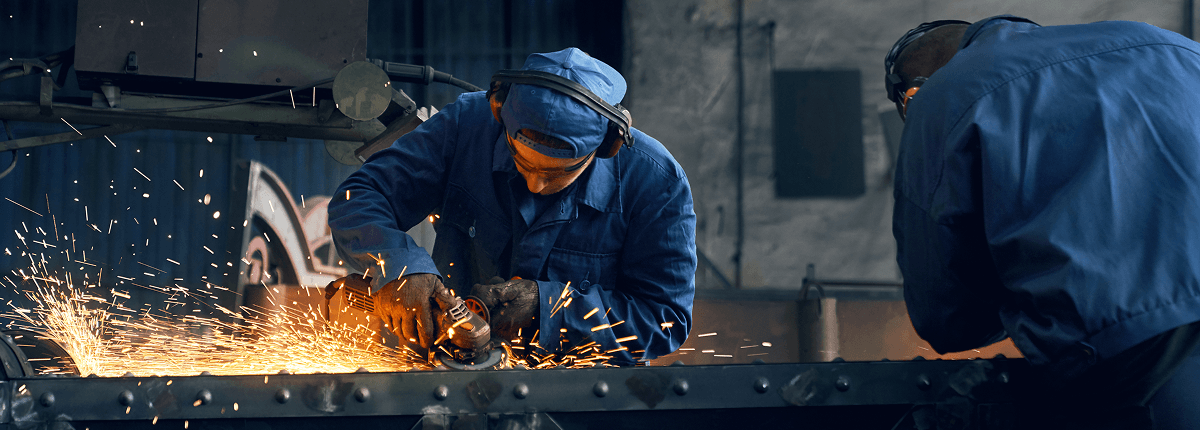
For decades, manual inspection served as the primary method of quality control. Experienced operators examined products for scratches, dimensional deviations, missing components, or assembly defects before they reached customers.
While this approach remains valuable in certain applications, it becomes increasingly difficult to maintain consistent accuracy in high-volume production environments.
After inspecting thousands of identical parts, even highly skilled inspectors can experience reduced concentration, increasing the likelihood of missed defects or inconsistent quality decisions.
In addition, human interpretation naturally varies. A cosmetic surface mark that one inspector considers acceptable may be rejected by another, creating inconsistency throughout the manufacturing process.
Modern automated inspection systems eliminate this variability by applying identical inspection standards to every product regardless of production speed or operating hours.
Machine Vision Delivers Repeatable Quality Control
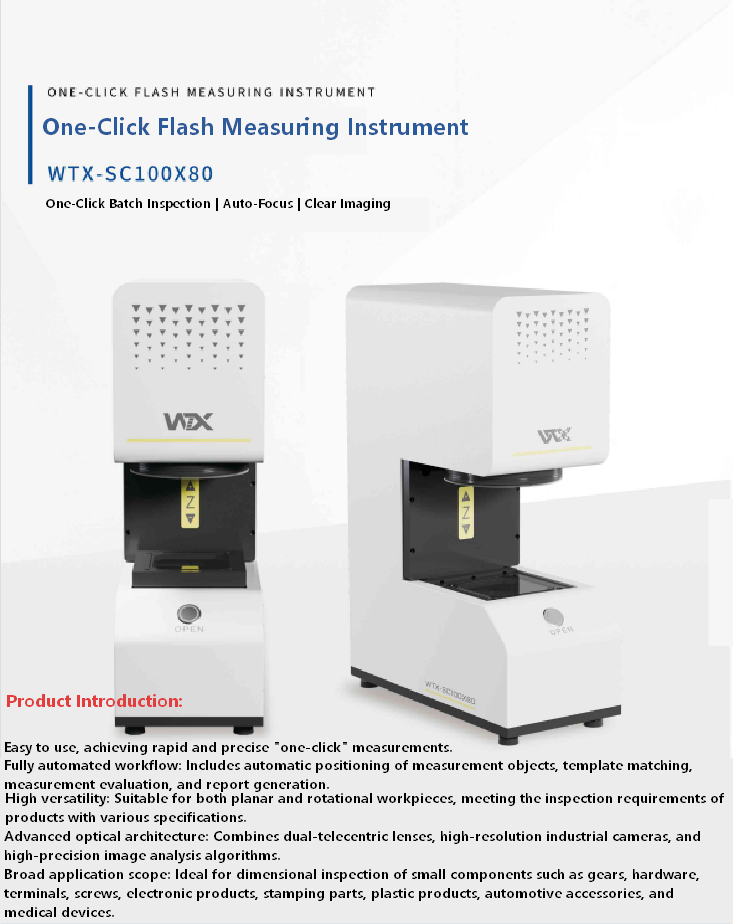
Unlike manual inspection, machine vision evaluates products using calibrated cameras, controlled lighting, image processing software, and predefined quality parameters.
Every product is inspected according to the same measurement criteria, ensuring consistent decisions across every production shift.
Today’s industrial machine vision solutions can simultaneously inspect multiple product characteristics, including:
- Surface scratches and dents
- Dimensional accuracy
- Component presence or absence
- Assembly alignment
- Color consistency
- Label verification
- Barcode and QR code validation
Because inspection results are generated automatically, manufacturers can significantly reduce human error while maintaining inspection speeds that match modern automated production lines.
This repeatability helps manufacturers improve customer confidence while supporting compliance with international quality standards.
Supporting High-Precision Manufacturing Across Industries
Machine vision technology has become an essential part of manufacturing in industries where product quality directly affects safety, reliability, and performance.
In electronics manufacturing, vision inspection technology identifies soldering defects, missing electronic components, PCB alignment issues, and connector positioning with exceptional precision.
For automotive suppliers, machine vision verifies dimensional tolerances, detects machining defects, and confirms assembly completeness before components move further along the production process.
Battery manufacturers use automated inspection to identify coating inconsistencies, casing damage, contamination, and structural defects that could affect product safety or long-term performance.
Medical device manufacturers also depend on machine vision to verify dimensional accuracy, packaging integrity, and product traceability while meeting strict regulatory requirements.
Across each of these industries, inspection systems provide objective, repeatable quality verification that would be difficult to achieve through manual inspection alone.
Faster Inspection Without Sacrificing Accuracy
One common misconception is that increasing inspection speed inevitably reduces inspection accuracy.
Modern inspection equipment is specifically designed to deliver both.
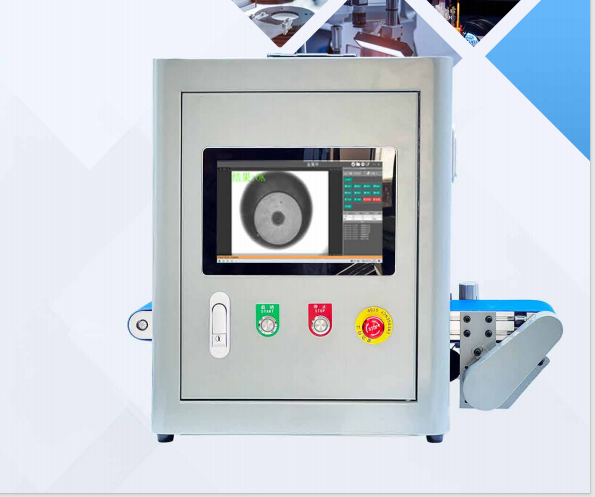
High-speed industrial cameras, optimized lighting systems, and advanced image processing software enable automated quality inspection to analyze hundreds or thousands of products every minute while maintaining extremely high detection accuracy.
Because inspections occur directly within the production line, manufacturers receive immediate feedback whenever quality issues arise.
If an abnormal defect pattern appears, production teams can respond immediately by adjusting equipment settings, replacing worn tooling, or temporarily stopping production before larger quantities of defective products are produced.
This real-time response capability significantly reduces scrap, rework, and production downtime.
Inspection Data Supports Continuous Process Improvement
Perhaps the greatest advantage of machine vision extends beyond defect detection itself.
Every inspection generates valuable manufacturing data that helps engineers better understand production performance.
Modern quality inspection systems record images, measurement values, timestamps, defect classifications, production batches, and statistical trends for every inspected product.
Over time, this information reveals recurring production issues that might otherwise remain unnoticed.
For example, if inspection software detects a gradual increase in dimensional variation, engineers may discover that tooling wear or equipment vibration is affecting production quality.
Rather than reacting after customer complaints occur, manufacturers can schedule preventive maintenance before significant quality issues develop.
This data-driven approach transforms inspection from a final quality checkpoint into a critical component of continuous manufacturing improvement.
Looking Beyond Inspection Toward Smart Manufacturing
Machine vision continues to evolve alongside artificial intelligence, industrial automation, and Industry 4.0 technologies.
Today’s intelligent inspection platforms increasingly integrate with manufacturing execution systems (MES), enterprise resource planning (ERP) software, industrial robots, and programmable logic controllers (PLCs), creating connected production environments where quality information is shared instantly across the factory.
As AI-powered algorithms become more advanced, inspection systems are also becoming better at recognizing complex surface defects, adapting to new product designs, and reducing the need for manual programming.
These capabilities allow manufacturers to introduce new products more quickly while maintaining consistent quality standards across changing production requirements.
Final Thoughts
Manufacturing success increasingly depends on the ability to produce high-quality products efficiently, consistently, and at scale.
By implementing machine vision inspection, manufacturers can reduce reliance on subjective manual inspection, improve product consistency, generate valuable production insights, and support long-term digital transformation initiatives.
Rather than replacing human expertise, modern inspection technology enables engineers and quality professionals to focus on process optimization, defect prevention, and continuous improvement.
As production environments become more connected and quality requirements continue to rise, machine vision will remain one of the most important technologies driving the future of intelligent manufacturing.
Leave a Reply