
Quality control is no longer simply the final step before products leave the factory. In today’s manufacturing environment, it has become a strategic function that directly influences production efficiency, customer satisfaction, and long-term profitability.
As manufacturers face increasing pressure to deliver higher volumes while maintaining tighter tolerances, many are replacing traditional manual inspection with automated vision systems. Rather than serving only as a quality checkpoint, modern inspection technology has evolved into an essential part of intelligent manufacturing, providing real-time production insights that help prevent defects before they become costly problems.
Transforming Quality Control into a Continuous Process
Historically, quality inspection was performed after manufacturing had already been completed. Products that failed inspection were either repaired or discarded, resulting in wasted materials, additional labor, and production delays.
Today’s manufacturers are shifting toward continuous quality management by embedding automated inspection systems directly into production lines.
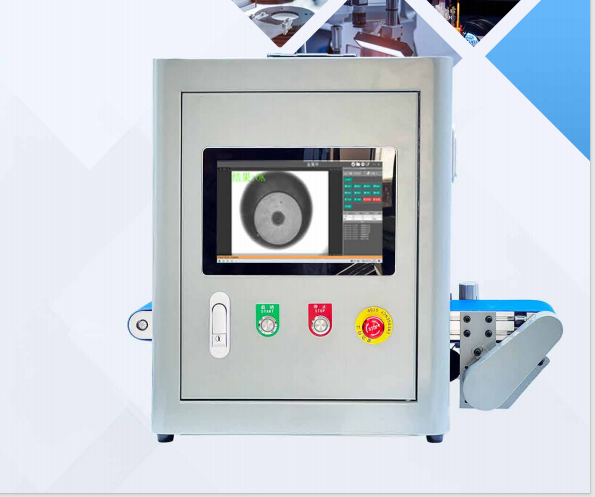
Instead of identifying problems at the end of the process, inline inspection detects deviations immediately after they occur. Whether the issue involves incorrect dimensions, missing components, surface defects, or assembly errors, manufacturers receive instant feedback that allows production teams to make corrective adjustments before larger batches are affected.
This proactive approach reduces scrap, minimizes rework, and improves overall production efficiency while helping manufacturers maintain stable product quality.
Standardized Inspection Eliminates Human Variability
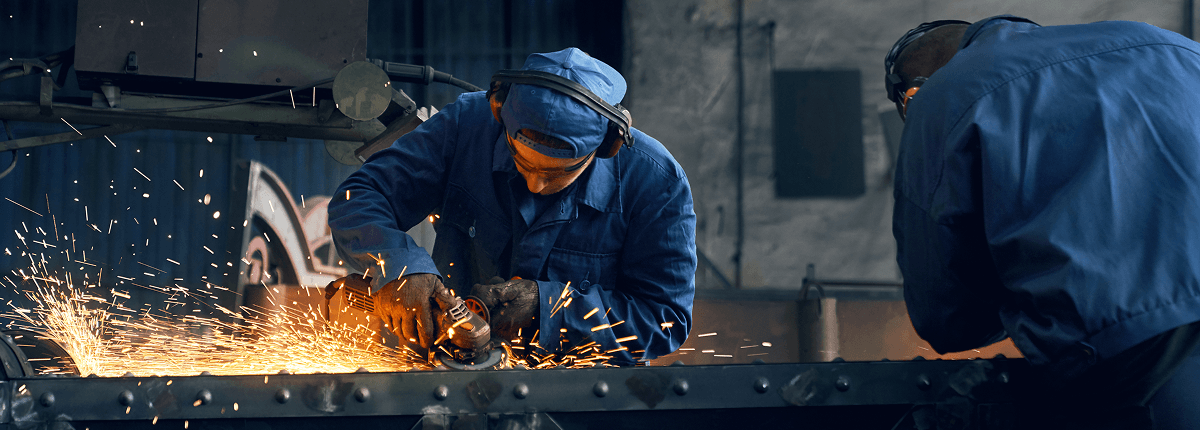
Manual inspection depends heavily on operator experience, concentration, and environmental conditions.
Lighting differences, repetitive tasks, and operator fatigue naturally influence inspection decisions, making it difficult to achieve identical results across different shifts or production facilities.
By comparison, machine vision inspection applies the same inspection criteria to every product regardless of production volume or operating hours.
Using industrial cameras, precision lighting, and advanced image processing software, the system evaluates every component according to predefined quality standards.
This repeatable inspection process improves consistency while helping manufacturers comply with demanding customer specifications and international quality standards.
For organizations supplying automotive, electronics, aerospace, or medical device industries, standardized inspection has become essential for maintaining supplier qualification and customer confidence.
Choosing the Right Vision System for Your Production Environment
Successfully implementing machine vision requires more than selecting the latest hardware. Manufacturers should evaluate how the inspection solution supports both current production requirements and future business growth.
A well-designed industrial vision system should provide flexibility across several areas.
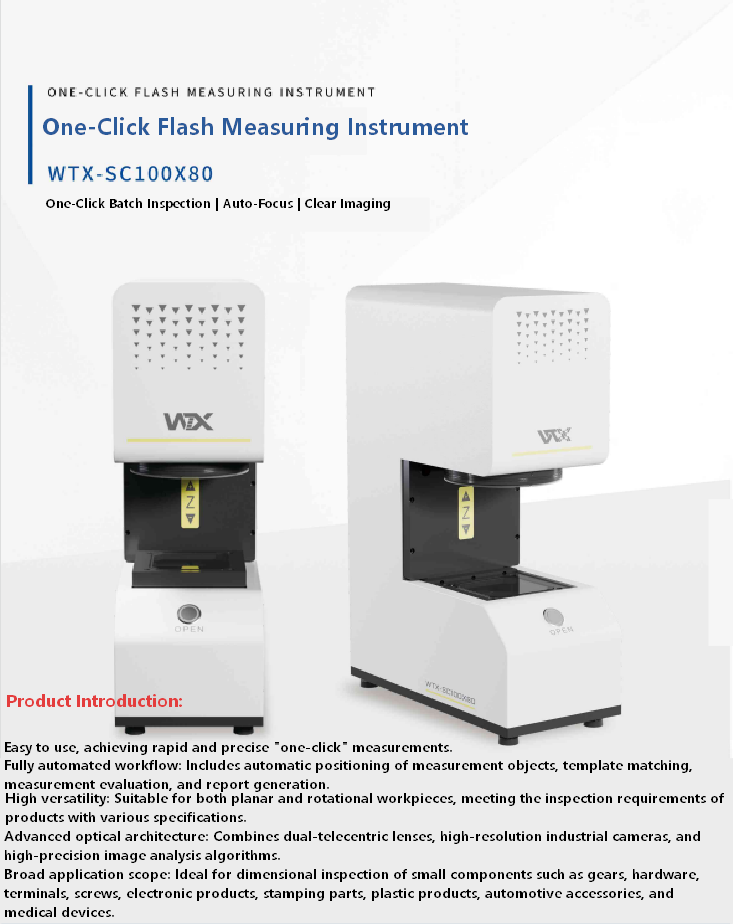
First, hardware must match the size, material characteristics, production speed, and inspection requirements of the product being manufactured. Some applications require compact benchtop inspection stations, while others benefit from fully integrated inline systems operating continuously within automated production lines.
Second, software compatibility is equally important. Inspection equipment should communicate easily with manufacturing execution systems (MES), enterprise resource planning (ERP) platforms, programmable logic controllers (PLCs), and industrial robots to support fully connected production environments.
Finally, scalability should remain a priority. As manufacturers introduce new products or expand production capacity, inspection systems should accommodate additional cameras, updated inspection algorithms, and changing production specifications without requiring complete replacement.
Inspection Data Creates Opportunities for Continuous Improvement
The greatest value of modern inspection extends beyond identifying defective products.
Every inspection cycle generates production data that helps manufacturers understand equipment performance, process stability, and long-term quality trends.
Modern quality inspection systems automatically record measurement values, inspection images, defect classifications, production timestamps, and statistical process information.
By analyzing this information over time, manufacturers can identify recurring production issues before they affect customers.
For example, a gradual increase in surface scratches may indicate worn tooling, while dimensional inconsistencies could suggest machine calibration drift or excessive vibration.
Instead of responding only after defects become visible, engineers can use inspection data to schedule preventive maintenance, optimize production parameters, and improve overall manufacturing efficiency.
This shift from reactive quality control to predictive manufacturing is one of the defining characteristics of Industry 4.0.
AI Is Expanding the Capabilities of Vision Inspection
Artificial intelligence is enabling inspection systems to perform tasks that were previously difficult to automate.
Traditional vision systems rely on predefined rules established by engineers. While highly effective for standardized products, they may struggle with natural production variation, reflective materials, textured surfaces, or complex product geometries.
Modern AI-powered vision inspection uses deep learning algorithms trained on thousands of production images to recognize acceptable products and detect subtle defects automatically.
Rather than searching only for predefined defect patterns, AI evaluates overall visual characteristics, allowing inspection systems to adapt more effectively to changing production conditions.
This flexibility makes AI particularly valuable in industries producing batteries, precision components, semiconductor products, consumer electronics, and medical devices.
As AI continues to mature, inspection systems will become increasingly capable of supporting autonomous manufacturing while reducing engineering effort required for new product introductions.
Building a More Competitive Manufacturing Operation
Investing in automated vision technology delivers benefits far beyond quality assurance alone.
Manufacturers gain higher production consistency, reduced labor requirements, improved traceability, lower warranty costs, and greater confidence in meeting customer expectations.
Perhaps more importantly, automation allows skilled employees to focus on process optimization, engineering improvements, and production planning instead of repetitive manual inspection tasks.
As global competition intensifies, manufacturers that successfully integrate intelligent inspection technologies will be better positioned to improve operational efficiency while maintaining exceptional product quality.
Final Thoughts
Modern manufacturing demands more than simply identifying defective products—it requires continuous visibility into production performance.
By implementing automated vision systems, manufacturers transform quality inspection into a real-time decision-making tool that supports predictive maintenance, process optimization, and long-term operational excellence.
As Industry 4.0 technologies continue to reshape global manufacturing, intelligent inspection will remain a fundamental component of smart factories, helping organizations improve productivity, strengthen customer trust, and remain competitive in an increasingly quality-driven marketplace.
Leave a Reply