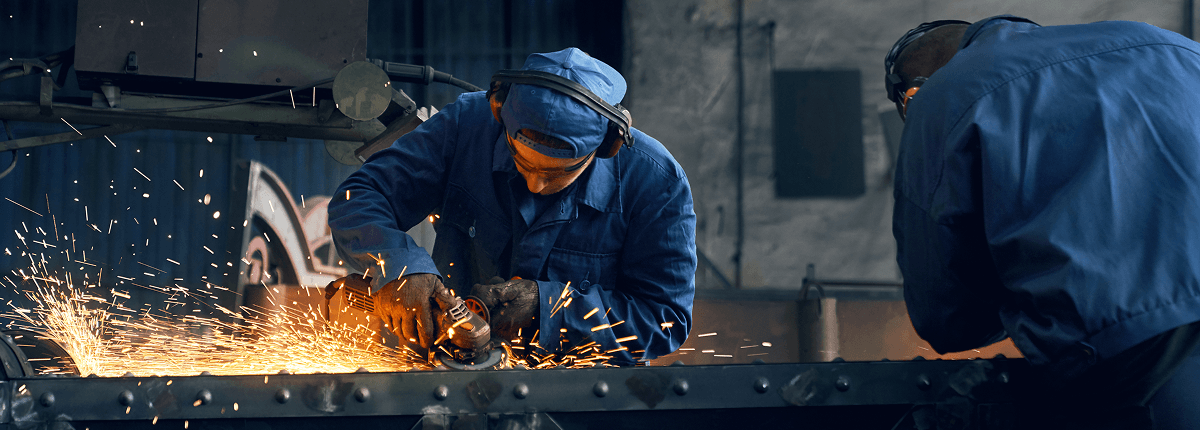

In large-scale manufacturing sectors such as paper production, non-woven materials, plastic films, and metal strip processing, maintaining consistent product quality across continuous rolls is a major operational challenge. Production lines often run at speeds exceeding hundreds of meters per minute, leaving little room for manual quality verification.
To achieve stable production and reduce waste, manufacturers increasingly rely on Web Inspection Systems powered by advanced imaging technologies and real-time analytics. These solutions enable continuous monitoring of material surfaces without interrupting production flow.
Unlike conventional cameras, modern Line-Scan Cameras are specifically designed for Continuous Roll Inspection, capturing high-resolution images across the entire web width while maintaining inspection accuracy at extreme line speeds.
Surface Defect Detection Across Continuous Materials
One of the primary objectives of a modern inspection platform is reliable Surface Defect Detection.
The system continuously monitors for:
- Pinholes
- Tears
- Contamination particles
- Wrinkles
- Edge cracks
- Coating defects
- Surface stains
By identifying defects immediately after they occur, manufacturers can minimize material waste and prevent defective rolls from reaching downstream converting processes.
Multi-Camera Inspection Architecture
Wide web applications often exceed the viewing area of a single camera.
To maintain full coverage, advanced Industrial Vision Systems utilize synchronized multi-camera arrays that create a seamless inspection image across the entire production width.
This architecture is commonly used in:
- Battery separator film manufacturing
- Medical non-woven production
- Packaging film extrusion
- Coated paper production
- Metal strip processing
Real-Time Processing with FPGA Technology
Processing massive image streams generated by modern inspection systems requires specialized hardware acceleration.
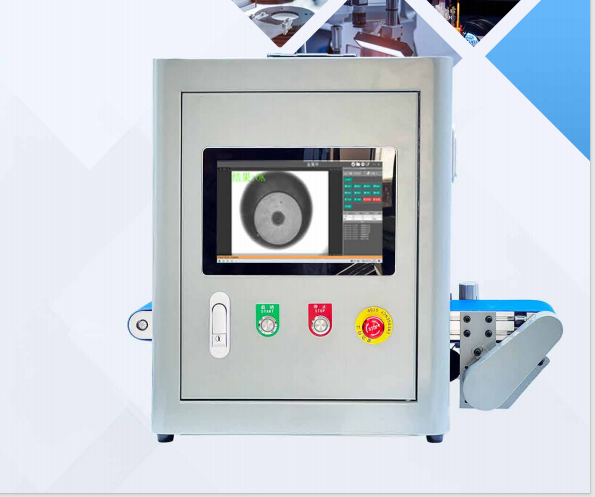
Many next-generation Automated Inspection Machines incorporate FPGA Image Processing technology to analyze image data directly at the hardware level.
This approach provides several advantages:
- Ultra-low latency
- Continuous real-time analysis
- Stable performance at high speeds
- Reduced processing bottlenecks
- Reliable defect classification
By combining FPGA acceleration with AI-based inspection algorithms, manufacturers can maintain accurate quality monitoring even when production speeds increase.
As manufacturing speeds continue to rise, traditional sampling methods are no longer sufficient for maintaining consistent product quality. Modern Quality Control Automation solutions provide continuous visibility into production performance and help manufacturers detect defects before they generate significant waste.
By implementing advanced Web Inspection Systems, integrating high-speed Line-Scan Cameras, and leveraging intelligent processing technologies, manufacturers can improve yield rates, reduce downtime, and establish a more reliable quality management framework across continuous production environments.
Leave a Reply