

In today’s manufacturing, packaging is far more than just the final wrap. It serves as a critical quality gate that protects product safety, supports regulatory compliance, and shapes customer perception. A single issue — like a wrong label, unreadable barcode, or compromised seal — can trigger recalls, fines, or lasting damage to brand trust.
That’s why more manufacturers are adopting packaging inspection machines powered by machine vision and real-time detection to catch problems before products leave the facility.
Why Packaging Inspection Has Become Essential
Global supply chains, stricter regulations, and rising consumer expectations have raised the bar for packaging quality. It’s no longer enough for packaging to look good — it must be accurate, traceable, and reliable. Common risks include incorrect labeling, unreadable codes, seal failures, misaligned graphics, or physical damage that could affect product integrity.
What Is a Packaging Inspection Machine?
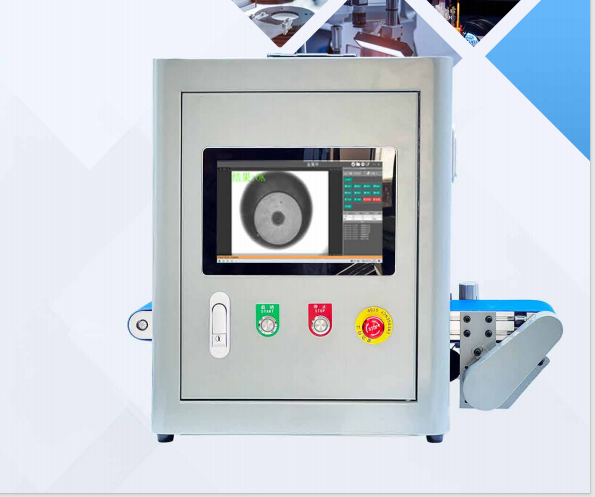
A packaging inspection machine is an automated system that verifies packaged goods against strict quality standards using high-resolution cameras, specialized lighting, machine vision software, and often AI-based analysis. These systems inspect in real time as products move down the line, ensuring every unit meets requirements for labels, seals, appearance, and functionality.
Key Areas Packaging Inspection Machines Check
Label Verification Systems confirm correct product details, batch codes, expiry dates, and regulatory text while checking alignment and print quality. Mistakes here can lead to serious compliance problems.
Barcode and QR Code Inspection Inspection verifies readability, contrast, and placement of machine-readable codes. Unscannable codes disrupt logistics, inventory, and retail operations.
Seal Integrity Inspection Critical for food, pharmaceuticals, and chemicals, these checks detect incomplete seals, leaks, weak bonds, or tamper-evident failures that could compromise safety.
Package Appearance and Structure Visual inspection identifies wrinkles, smudges, color variations, deformation, or damage that affects branding and shelf appeal.
How These Systems Work in Practice
The process is straightforward and fast:
- Image Capture — Cameras grab high-speed images of passing packages.
- Lighting Optimization — Tailored lighting (ring, back, coaxial, etc.) ensures text, codes, and surfaces are clearly visible regardless of material.
- Analysis — Software uses rule-based checks and AI models to evaluate labels, seals, and overall condition.
- Decision & Action — Products are automatically passed, rejected, or flagged for review, with defective items removed from the flow.
Inline vs Offline Packaging Inspection
Inline systems integrate directly into the production line for real-time detection and immediate rejection. They excel in high-volume operations like food and beverage where speed and continuous flow matter most.
Offline systems are used for batch sampling or detailed audits. They offer more flexibility for varied products but provide slower feedback and less comprehensive coverage.
Most modern facilities combine both approaches for optimal results.
Industries That Depend on Packaging Inspection
- Food and Beverage: Focus on seal integrity, label accuracy, expiry dates, and contamination prevention.
- Pharmaceuticals: Strict verification of compliance, batch tracking, and tamper-evident features.
- Consumer Goods: Emphasis on branding consistency, alignment, and barcode performance.
- Chemicals and Industrial Products: Safety labeling, hazard warnings, and secure container sealing.
Major Benefits of Automated Packaging Inspection
- Fewer costly recalls through early defect catching
- Stronger brand reputation via consistent, professional packaging
- Higher throughput with reduced manual labor
- Easier regulatory compliance and traceability
Common Implementation Challenges
Different packaging materials reflect light uniquely, high-speed lines demand millisecond processing, and complex or irregular designs can complicate inspection. AI-powered systems help by adapting to variations and reducing false rejects over time. Managing the large amounts of generated data also requires good integration and analytics.
The Growing Role of AI and Smart Integration
AI improves accuracy on subtle print issues, handles frequent packaging changes, and continuously refines performance. When connected to MES, ERP, and quality platforms, these systems deliver real-time visibility and full production traceability.
Future Trends in Packaging Inspection
Expect wider use of fully AI-driven models, multi-sensor setups (vision + thermal or spectral), edge computing for instant decisions, cloud analytics, and self-learning systems that adapt with minimal human input.
Final Thoughts Packaging inspection machines have become vital for protecting product safety, meeting compliance demands, and maintaining brand standards in fast-moving production environments. By combining machine vision with smart software, they help manufacturers reduce risks and deliver consistent, high-quality packaging at scale.
For companies evaluating these solutions, choosing systems that match your specific line speed, product range, and integration needs makes the biggest difference in long-term success.
Leave a Reply