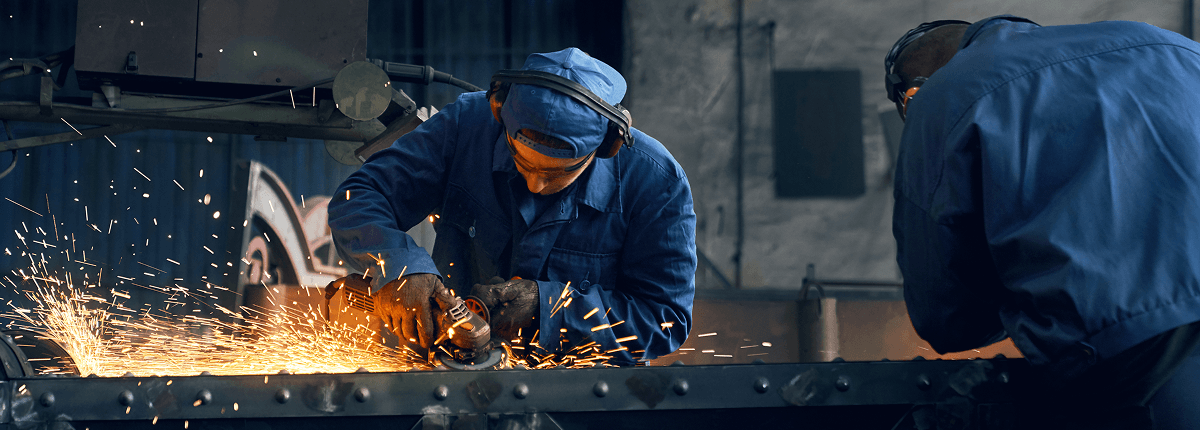

Many factories still rely on familiar quality control habits: experienced operators performing visual checks, sampling parts, and running end-of-line tests. These traditional methods served manufacturers well for decades, but rising production speeds, tighter tolerances, and growing product complexity are pushing more companies toward machine vision systems.
This shift goes beyond simple automation. It fundamentally changes how quality is defined, measured, and maintained across the production floor.
How Traditional Quality Inspection Works
Traditional approaches are largely human-centered or use basic mechanical tools. Common practices include manual visual checks, statistical sampling, gauge and caliper measurements, and final testing stations. They depend heavily on operator skill and experience rather than inspecting every single part.
While this works reasonably well for low-volume or simpler products, it faces serious limitations as manufacturing scales up.
Key Limitations of Traditional Methods
- Human Fatigue and Inconsistency: Performance drops over long shifts, and different operators may judge the same issue differently.
- Sampling Risks: Checking only a portion of output means some defects inevitably slip through, especially in high-volume runs.
- Speed Constraints: Humans simply can’t keep pace with modern automated lines without creating bottlenecks.
- Limited Traceability: Manual records make it hard to analyze trends or prove compliance over time.
These weaknesses become more costly as production volumes and quality expectations rise.
What Machine Vision Brings to the Table
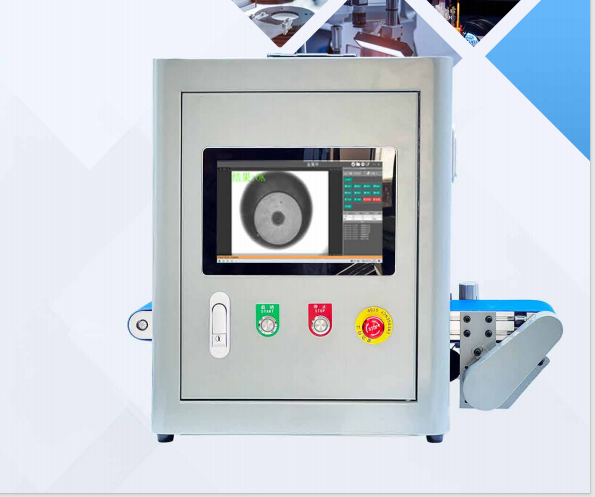
Machine vision inspection uses industrial cameras, optimized lighting, and intelligent software to examine products in real time. Unlike traditional methods, it can check every unit on the line without slowing things down.
Core strengths include real-time defect detection, high-speed processing, automatic pass/fail decisions, and comprehensive digital data logging for full traceability.
Side-by-Side Comparison: Machine Vision vs Traditional Inspection
Consistency Traditional inspection varies with operator experience and fatigue. Machine vision applies the same standards every time, delivering repeatable results.
Speed Human checks are limited by reaction time. Machine vision keeps up with — or exceeds — production line speeds.
Coverage Traditional methods usually rely on sampling. Machine vision enables 100% inspection without proportional increases in labor.
Data Capability Traditional approaches generate limited records. Machine vision creates rich, structured data that supports analytics, process optimization, and quality reporting.
How Machine Vision Systems Operate
A typical setup follows four main steps:
- Image Capture — High-resolution cameras grab detailed views of parts on the line.
- Lighting Optimization — Specialized lighting makes defects stand out clearly.
- Image Processing — Software analyzes the images using rule-based logic, pattern recognition, or AI models.
- Decision Output — The system decides pass/fail and triggers actions like automatic rejection or alerts.
Where Machine Vision Clearly Outperforms
Machine vision shines in high-volume production, precision industries like electronics and automotive, and complex assemblies with small or multi-layer components. It reduces human error and provides the scalability that traditional methods struggle to match.
When Traditional Inspection Still Makes Sense
Traditional methods remain useful for low-volume runs, highly customized products, early prototyping, or as secondary verification. Many smart factories use a hybrid approach: machine vision for fast inline checks combined with targeted human oversight for edge cases and final validation.
The Role of AI in Modern Machine Vision
AI-enhanced machine vision takes things further by spotting subtle or new defects, reducing false positives, learning from production data, and adapting more easily to product changes. This flexibility makes automated systems far more capable than older rule-based setups.
Cost and Efficiency Perspective
Machine vision requires a higher initial investment, but it often delivers strong long-term returns through lower labor costs, reduced scrap and rework, fewer customer returns, and more stable production. Traditional inspection has lower upfront costs but carries higher ongoing risks and variability.
Changing the Overall Quality Strategy
Moving to machine vision shifts quality control from reactive, sampling-based checks to proactive, data-driven, full-coverage inspection. This leads to more stable processes, better product reliability, and stronger continuous improvement capabilities.
Looking Ahead
The future points toward more autonomous AI-driven inspection, real-time feedback loops, tighter integration with smart factory systems, and predictive tools that help prevent defects rather than just detect them.
Final Thoughts Machine vision represents a major step forward from traditional quality inspection methods. It delivers greater consistency, speed, coverage, and actionable data that modern manufacturing demands. That said, traditional approaches still have their place in the right situations, and the most effective operations often combine both in a thoughtful hybrid model.
For manufacturers considering the transition or upgrading their quality control, understanding these differences helps make smarter technology choices that support long-term competitiveness.
Leave a Reply