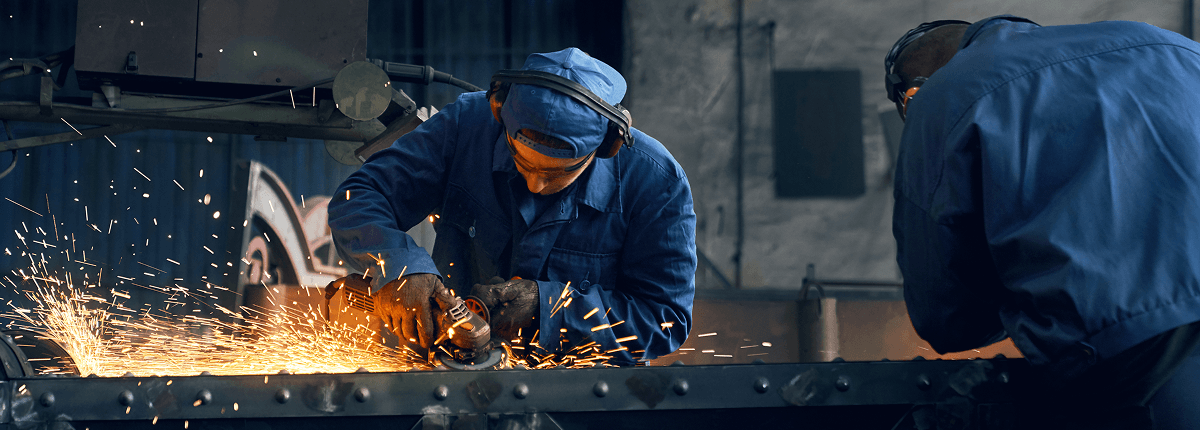

In today’s factories, quality control isn’t just an end-of-line check anymore. It’s a built-in part of the entire production flow. As lines get faster and more automated, deciding where and how to inspect products has become one of the biggest decisions manufacturers face. The two main approaches — inline inspection and offline inspection — each have their place, but they work very differently in real production environments.
Understanding these options helps factories build systems that are efficient, scalable, and actually deliver better quality without creating new headaches.
What Is Inline Inspection?
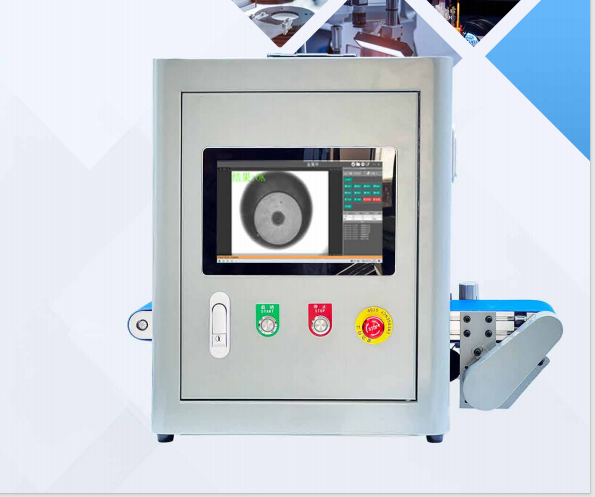
Inline inspection systems sit directly on the production line. Products get checked in real time as they move through the process, without stopping or being pulled aside. These setups typically combine machine vision cameras, synchronized lighting, conveyor integration, and smart software for instant defect detection.
This approach is especially common in high-speed, high-volume operations where catching problems immediately matters most.
Advantages of Inline Inspection Systems
The biggest win with inline inspection is speed and immediacy. Defects get flagged the moment they happen, letting teams make quick adjustments before more bad parts pile up. This leads to less waste, lower rework costs, and real-time data that helps fine-tune upstream processes like machine settings, material feed, or assembly alignment.
When done right, these systems keep pace with the line instead of slowing it down, making them ideal for continuous production.
Limitations of Inline Inspection
That said, inline inspection isn’t always straightforward. Integration can be complex and expensive because the system has to sync perfectly with existing equipment. Changing products or parameters may require recalibration, and any mismatch in timing can affect accuracy. It also tends to be less flexible once installed.
What Is Offline Inspection?
Offline inspection works separately from the main production line. Parts are sampled or moved to dedicated stations for checking. This is common in quality labs, batch production, or situations needing deeper analysis.
Advantages of Offline Inspection Systems
Offline inspection shines when flexibility matters. It handles varied product types more easily, allows more time for detailed checks (including 3D measurement or higher-resolution scanning), and doesn’t risk disrupting the main line if something goes wrong. Setup is usually simpler, and it’s often a better fit for lower volumes or precision-focused work.
Limitations of Offline Inspection
The main drawbacks are slower feedback and extra handling. By the time defects are found, entire batches may already be complete, leading to more waste. There’s also the risk that sampling misses some issues entirely.
Side-by-Side Comparison: Inline vs Offline
Inline inspection usually wins for high-volume lines, advanced automation, and situations where real-time action prevents big losses. Offline inspection is often preferable when products change frequently, volumes are moderate, or detailed verification is needed.
Most modern factories don’t choose one or the other — they combine both in a hybrid inspection approach for the best balance of speed and thoroughness.
Hybrid Systems: The Smart Middle Ground
A typical hybrid setup might use inline inspection for fast surface checks and real-time alerts, paired with offline stations for deeper validation, calibration, or complex measurements. Centralized data platforms then pull everything together for overall quality analytics. This layered strategy is becoming the standard in smart manufacturing.
How AI Is Changing Both Approaches
Artificial Intelligence is making both inline and offline systems smarter. AI helps with adaptive defect detection, lower false reject rates, and turning inspection data into predictive insights. Whether inline or offline, AI allows systems to learn and improve instead of sticking to rigid rules.
Industry Examples
- Electronics manufacturing leans heavily on inline systems for fast PCB and component checks.
- Automotive production often uses hybrid setups to balance speed with final safety verification.
- Packaging lines rely on inline checks for seals, labels, and contamination.
- Precision engineering frequently favors offline for detailed compliance testing.
Key Factors to Consider When Choosing
Think about your production volume, product variety, quality tolerances, available technical support, and future growth plans. The right architecture isn’t static — it should evolve as your operation changes.
Final Thoughts Inline inspection and offline inspection systems each solve different pieces of the quality puzzle. The smartest manufacturers treat them as complementary tools rather than competitors, creating integrated quality control that supports both high output and consistent results.
As factories become more data-driven, these systems are no longer just checkpoints — they’re active parts of continuous improvement and operational excellence. Choosing thoughtfully can make a real difference in efficiency, cost control, and long-term competitiveness.
Suggested Keywords for Hyperlinks (5-6 total):
- Inline Inspection – Link to inline system details or implementation guide
- Offline Inspection – Link to offline/standalone inspection solutions
- Machine Vision – Link to core technology or case study page
- Hybrid Inspection – Link to combined system offerings or comparisons
- Artificial Intelligence – Link to AI in quality control content
- 3D Measurement – Link to advanced inspection technology resources
These are bolded naturally in the body text where they fit conversationally. The rewrite uses practical, real-world manufacturing tone with varied phrasing and experienced insights to feel human-written while keeping strong SEO flow through clear sections, lists, and scannable structure.
Leave a Reply