
Manufacturing has entered an era where quality is no longer measured solely by the final product. Today’s manufacturers are expected to maintain consistent production standards, provide complete traceability, and respond to quality issues before they affect customers. As production speeds continue to increase and product tolerances become tighter, relying on manual inspections is no longer sufficient.
Across industries such as automotive, electronics, medical devices, packaging, and precision engineering, companies are investing in automated inspection systems to improve product consistency while reducing production costs. Rather than simply replacing manual labor, these technologies create a smarter manufacturing environment where quality data becomes a valuable business asset.
Why Manual Inspection Is No Longer Enough
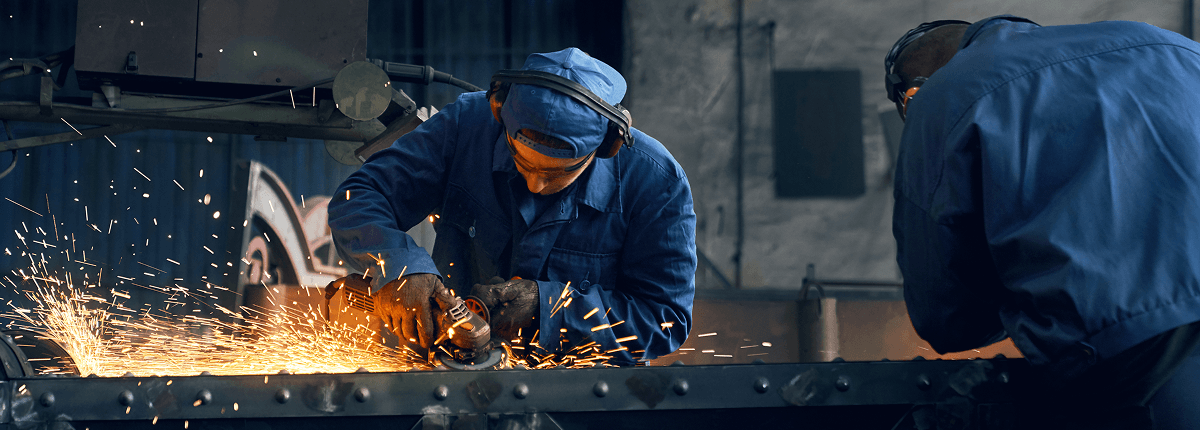
Human inspectors remain valuable for many specialized tasks, but repetitive visual inspection presents unavoidable challenges. Fatigue, inconsistent judgment, and varying levels of experience often lead to fluctuations in inspection accuracy, especially during long production shifts.
Even highly trained operators can overlook minor defects after inspecting thousands of identical products. Small scratches, dimensional deviations, missing components, or surface imperfections may go unnoticed, creating quality risks that are difficult to predict.
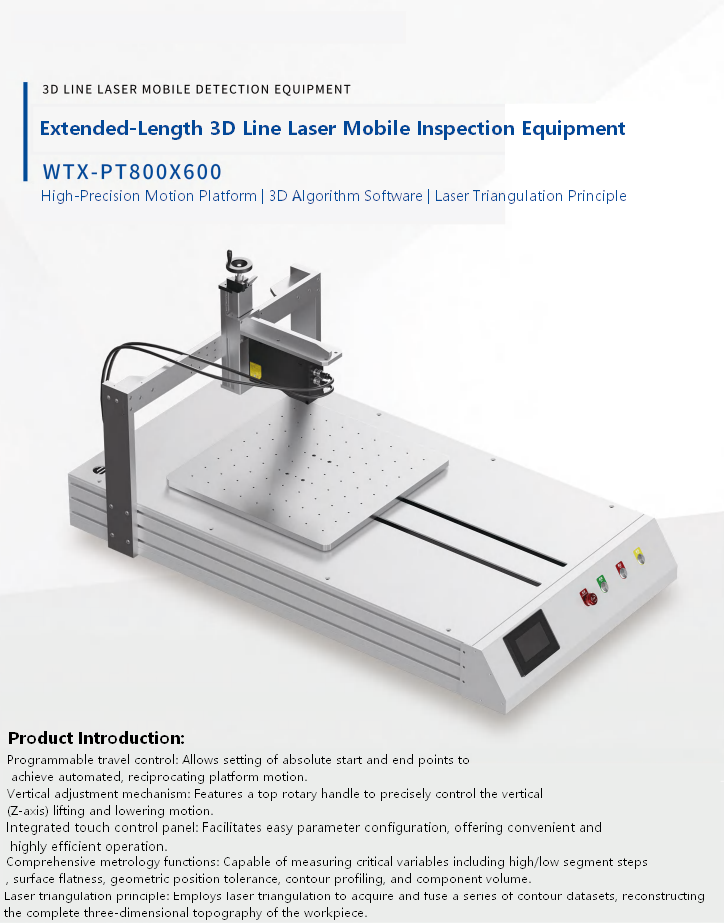
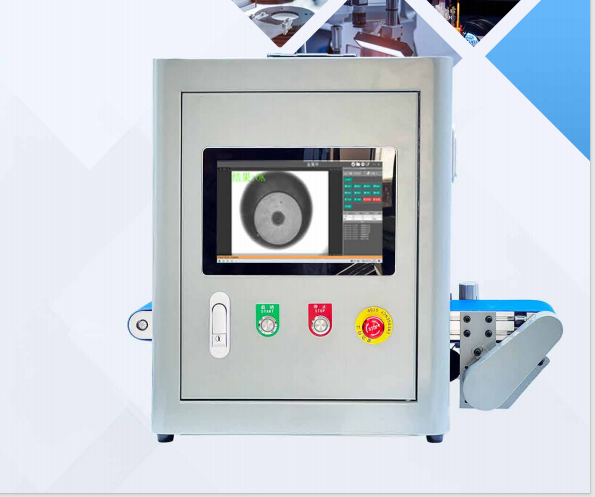
By comparison, machine vision inspection delivers the same inspection standard for every product. Cameras, lighting systems, and intelligent software evaluate each component according to predefined specifications, ensuring consistent results regardless of production volume or operating hours.
This consistency is particularly important for manufacturers operating multiple production lines or facilities across different countries, where standardized inspection procedures help maintain uniform product quality.
Data Is Becoming the Foundation of Quality Management
The biggest advantage of modern inspection technology is not simply detecting defective products—it is collecting actionable production data.
Every inspection generates valuable information about product dimensions, surface quality, defect locations, pass rates, and production trends. Over time, this data reveals patterns that are nearly impossible to identify through manual inspection alone.
Manufacturers using automated quality control systems can quickly recognize recurring defects, identify equipment drift, and monitor changes in process capability before quality problems become widespread.
For example, if a particular defect begins appearing more frequently during a specific production shift or on one production line, engineers can investigate the issue immediately instead of waiting until customer complaints arrive.
This data-driven approach reduces downtime while helping manufacturers continuously improve production efficiency.
Supporting Industry 4.0 Through Smart Inspection
Digital manufacturing depends on connected equipment capable of sharing real-time production information. Inspection equipment has become an essential part of this ecosystem.
Modern industrial vision systems can communicate directly with manufacturing execution systems (MES), enterprise resource planning (ERP) platforms, robotics, and programmable logic controllers (PLCs). Instead of functioning as isolated quality checkpoints, inspection machines become active participants in production optimization.
Inspection results can automatically trigger machine adjustments, stop defective batches before additional processing, or generate maintenance alerts when abnormal production patterns emerge.
This integration enables manufacturers to move beyond reactive quality control toward predictive manufacturing, where production issues are identified before they lead to expensive failures.
Improving Productivity Without Slowing Production
Some manufacturers still believe adding inspection equipment will reduce production speed. In practice, modern systems are designed to operate at production-line speed while maintaining exceptional accuracy.
High-resolution cameras combined with advanced image processing software can inspect hundreds or even thousands of components every minute, depending on the application. Multiple inspection points can operate simultaneously without interrupting automated workflows.
More importantly, early defect detection significantly reduces manufacturing costs.
When defective components are identified before assembly, painting, coating, or packaging, manufacturers avoid unnecessary labor, material consumption, and downstream processing expenses.
The result is lower scrap rates, reduced rework, and improved overall equipment effectiveness (OEE). These operational improvements often generate a return on investment much faster than expected, particularly for high-volume manufacturing environments.
Meeting Global Quality Standards
As international supply chains become increasingly interconnected, quality documentation is just as important as product quality itself.
Many OEMs and multinational manufacturers require suppliers to demonstrate compliance with standards such as ISO 9001 while providing complete production traceability.
Modern quality inspection systems automatically generate digital inspection records for every inspected product, including measurement values, images, timestamps, production batches, and inspection results.
This digital documentation simplifies customer audits, supports regulatory compliance, and provides objective evidence whenever quality disputes arise.
For suppliers competing for international contracts, transparent inspection records help build credibility and strengthen long-term business relationships.
Preparing for the Next Generation of Smart Manufacturing
Inspection technology continues to evolve alongside advances in artificial intelligence and machine learning.
Unlike traditional rule-based inspection software, newer AI-powered systems can recognize complex defect patterns, adapt to product variations, and improve inspection accuracy using continuously collected production data.
This flexibility is especially valuable for manufacturers producing multiple product models or frequently introducing new designs, where conventional programming often requires significant engineering time.
As AI becomes more deeply integrated into manufacturing operations, inspection systems will increasingly contribute not only to quality assurance but also to predictive maintenance, production planning, and process optimization.
Companies that invest in intelligent inspection today are building a stronger foundation for future digital manufacturing initiatives.
Final Thoughts
Quality control has evolved from a final production checkpoint into a continuous, data-driven process that influences every stage of manufacturing.
By adopting automated inspection systems, manufacturers can improve consistency, reduce production waste, strengthen compliance, and gain valuable operational insights that support continuous improvement.
In an increasingly competitive global market, investing in intelligent inspection technology is no longer simply an equipment upgrade—it is a strategic decision that improves efficiency, protects brand reputation, and prepares manufacturing operations for the next generation of smart factories.
Leave a Reply