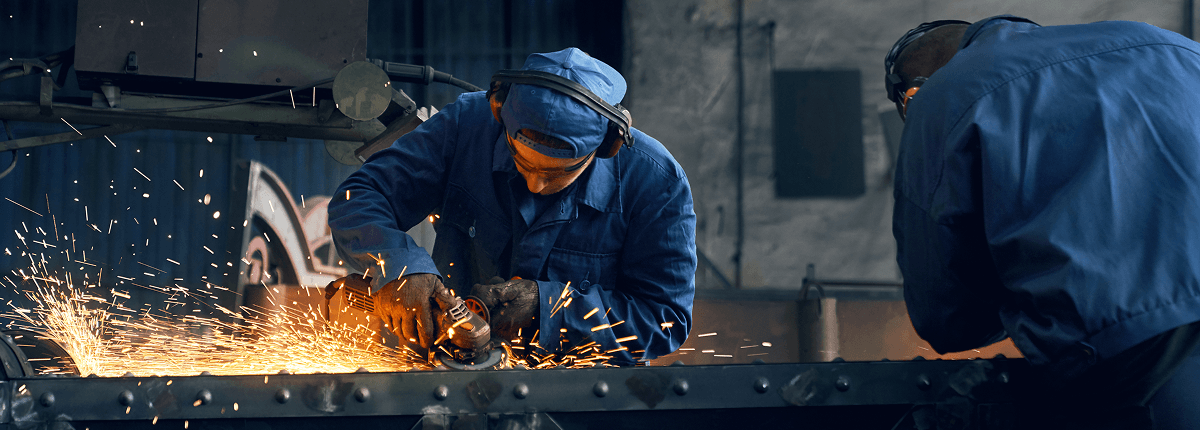

As manufacturing operations expand, one of the most critical transitions is moving from manual inspection processes to Automated Inspection Systems. However, this decision is rarely based on a single metric such as revenue or production volume.
In most cases, the right time to upgrade occurs when manual quality control begins to limit production scalability, reduce consistency, or fail to meet increasingly strict customer and regulatory requirements.
Understanding when to invest in an Industrial Quality Inspection Machine is essential for maintaining long-term operational stability and competitiveness.
Recognizing When Manual Inspection Is No Longer Enough
Most manufacturing facilities experience similar warning signs before automation becomes necessary.
These indicators typically appear gradually rather than suddenly.
1. Inconsistent Quality in High-Volume Production
As production speed increases, manual inspection becomes more difficult to sustain with accuracy.
Operators may begin relying on visual estimation rather than structured inspection methods, especially during peak output periods.
This leads to variability in quality decisions and increases the risk of defective products reaching downstream processes.
2. Rising Rework and Hidden Operational Costs
A key signal of inefficiency is when significant time and resources are spent on re-inspection, sorting, or reworking parts that should have been identified earlier in the process.
Over time, these hidden costs often exceed the investment required for a Quality Inspection System.
This includes:
- additional labor hours
- production delays
- wasted materials
- reduced line efficiency
3. Increasing Compliance and Traceability Requirements
As companies enter new markets or supply larger OEM customers, quality expectations become more formalized.
Many industries now require full traceability and documented inspection records for every production batch.
Manual inspection processes rarely provide the level of structured data required for modern compliance standards, making automation increasingly necessary.
Defining a Strategic Path to Automation
Upgrading quality infrastructure does not require a full factory overhaul.
A phased implementation approach is often more practical, cost-effective, and lower risk.
Step 1: Identify the Most Critical Bottleneck
The first step is to determine where quality issues or inefficiencies are most concentrated.
This may include:
- high-defect production stages
- labor-intensive inspection points
- processes with frequent rework
- areas with inconsistent quality output
Installing a Machine Vision Inspection System at this bottleneck allows manufacturers to generate measurable ROI quickly.
Step 2: Start with Data-Capable Systems
Even if full integration with MES or ERP systems is not immediately required, it is important to select inspection equipment that supports data collection from the beginning.
Modern inspection systems should be able to record:
- inspection results
- defect classifications
- production timestamps
- image-based evidence
This ensures that future expansion toward digital manufacturing and Industry 4.0 integration can be achieved without replacing existing hardware.
Step 3: Train Operators Early in the Process
Successful automation depends not only on hardware performance but also on operator adoption.
During the pilot phase, teams should be trained to:
- operate inspection interfaces
- interpret inspection results
- adjust inspection parameters when necessary
- respond to defect alerts effectively
Early training reduces resistance to change and improves long-term system utilization.
Building a Scalable Quality Infrastructure
A scalable Industrial Vision System is designed to grow alongside production demands.
Key characteristics of scalable systems include:
- modular hardware design
- software-based inspection recipes
- flexible configuration options
- compatibility with multiple production lines
- upgrade-ready architecture for AI and analytics integration
These features allow manufacturers to expand production capacity without redesigning their entire quality control infrastructure.
Turning Inspection Into a Strategic Asset
When properly implemented, inspection systems evolve from a quality checkpoint into a strategic production asset.
They provide:
- real-time production visibility
- early detection of process drift
- improved First Pass Yield (FPY)
- reduced scrap and rework
- stronger compliance readiness
This shifts quality control from a cost center into a value-generating component of manufacturing operations.
Partnering for Long-Term Manufacturing Growth
At InspectionMachinePro, we work with manufacturers to support this transition from manual inspection to fully automated quality infrastructure.
Our focus is not only on delivering high-performance inspection hardware, but also on ensuring that systems can scale with production needs, integrate into existing workflows, and support long-term digital transformation initiatives.
A successful upgrade strategy requires more than equipment—it requires a system that can evolve alongside your business.
Conclusion
Upgrading to Automated Inspection Systems is not simply a technical decision—it is a strategic milestone in manufacturing maturity.
The right time to invest is when manual processes begin limiting scalability, consistency, or compliance readiness.
By adopting a phased approach, starting with bottleneck processes, and prioritizing scalable inspection infrastructure, manufacturers can ensure a smooth transition toward higher efficiency, better quality control, and long-term operational resilience.
Ultimately, building a strong Quality Inspection System foundation today ensures that your manufacturing operations are prepared for the demands of tomorrow’s global market.
Leave a Reply