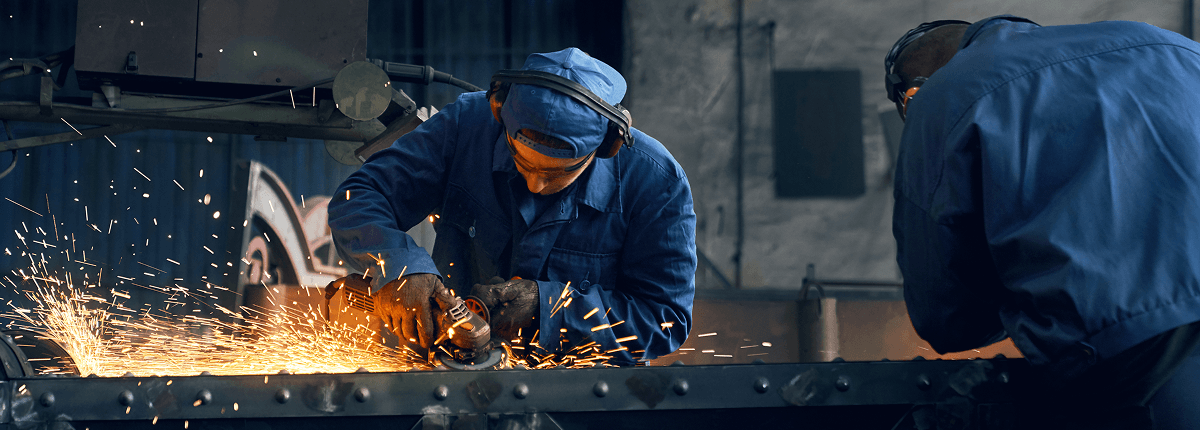

Reducing scrap is one of the fastest ways for manufacturers to improve profitability without expanding production capacity. While defective parts are often viewed simply as wasted materials, the true financial impact extends much further.
Every rejected component represents lost raw materials, machine utilization, labor hours, energy consumption, and production time. When defects are discovered late in the manufacturing process, these costs accumulate rapidly and reduce overall operational efficiency.
By implementing Real-Time Quality Control, manufacturers can identify process deviations earlier, minimize waste, and improve production consistency across the entire manufacturing cycle.
Understanding the True Cost of Scrap
The cost of poor quality goes beyond the value of discarded products.
Every defective part may include:
- raw material costs
- machining or assembly time
- electricity consumption
- operator labor
- equipment utilization
- logistics and waste handling
- production scheduling disruptions
These hidden costs often represent a much larger financial burden than the material itself.
As production volumes increase, even a small reduction in scrap rates can generate substantial long-term savings.
Why Early Detection Matters
The effectiveness of any Quality Inspection System depends largely on when defects are identified.
If a manufacturing error is discovered only after multiple production stages have been completed, additional resources have already been invested in a product that cannot be sold.
Real-time inspection changes this approach.
By placing Machine Vision Inspection Systems at critical production stages, manufacturers can detect defects immediately after they occur.
This allows production teams to:
- stop defective batches before they grow
- isolate the source of process variation
- prevent unnecessary downstream processing
- reduce accumulated production losses
Earlier detection results in lower manufacturing costs and more efficient use of factory resources.
Supporting Higher First Pass Yield
One of the most important manufacturing performance indicators is First Pass Yield (FPY).
FPY measures the percentage of products that successfully meet quality standards without requiring rework or repair.
Improving FPY delivers multiple operational benefits:
- reduced scrap
- lower rework costs
- higher production throughput
- improved customer satisfaction
- better utilization of manufacturing assets
Continuous inspection helps maintain stable production conditions by identifying process drift before it affects large quantities of products.
As process stability improves, manufacturers consistently achieve higher first-pass quality rates.
Turning Inspection into Process Stability
Modern Industrial Vision Systems do more than reject defective parts.
They continuously monitor manufacturing performance and provide engineers with real-time production data that supports better process control.
Inspection data can reveal trends such as:
- gradual dimensional variation
- recurring assembly deviations
- tool wear
- machine misalignment
- material inconsistencies
These insights enable corrective action before quality problems become widespread.
Instead of reacting to failures, manufacturers maintain stable production through continuous monitoring and data-driven adjustments.
Reducing Waste Across the Entire Production Line
Scrap reduction is closely linked to overall manufacturing efficiency.
By minimizing defective production, manufacturers also reduce:
- unnecessary energy consumption
- excess machine operating time
- production interruptions
- maintenance caused by unstable processes
- inventory losses associated with rejected products
This contributes directly to Lean Manufacturing initiatives and supports more sustainable production practices.
Reducing waste is therefore both an economic and operational improvement strategy.
Supporting Continuous Manufacturing Improvement
Inspection systems become even more valuable when integrated with MES, ERP, and manufacturing analytics platforms.
Connected Automated Inspection Systems provide continuous production feedback that supports:
- process optimization
- root cause analysis
- predictive quality management
- continuous improvement programs
Engineering teams can use this information to refine production parameters, stabilize manufacturing processes, and improve long-term operational performance.
Building Capacity Without Adding Equipment
Increasing production capacity does not always require new machinery.
By reducing scrap, rework, and process interruptions, manufacturers recover valuable production time that already exists within their current operations.
Higher production efficiency allows companies to:
- increase output using existing equipment
- improve delivery performance
- reduce manufacturing costs
- respond more effectively to customer demand
In many cases, improving quality delivers a greater return on investment than expanding production assets.
Conclusion
Reducing scrap is about much more than eliminating defective products.
Through Real-Time Quality Control, manufacturers gain the visibility needed to detect problems early, stabilize production processes, and continuously improve manufacturing performance.
By combining Machine Vision Inspection Systems with real-time process monitoring and production analytics, organizations can improve First Pass Yield, reduce operational waste, and maximize the value of every production cycle.
Ultimately, real-time inspection helps transform quality from a cost center into a strategic driver of efficiency, profitability, and long-term manufacturing competitiveness.
Leave a Reply