

In the food and beverage industry, packaging quality is directly linked to product safety, consumer trust, and regulatory compliance. Modern production facilities operate at extremely high speeds, with bottling, canning, pouch-filling, and labeling lines processing hundreds or even thousands of products every minute.
At these production rates, manual inspection is no longer practical. Even a brief lapse in quality control can result in defective products reaching consumers, leading to costly recalls, regulatory penalties, and long-term damage to brand reputation.
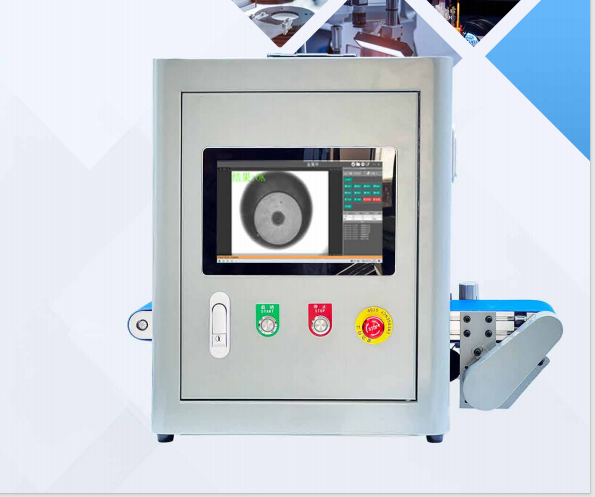
To address these challenges, manufacturers increasingly rely on automated inspection machines that combine high-speed imaging, intelligent software, and real-time rejection systems. These technologies help packaging facilities maintain quality standards while maximizing production efficiency.
Why Packaging Inspection Matters More Than Ever
Consumers expect every product they purchase to be safe, properly sealed, accurately labeled, and visually consistent.
For manufacturers, even small packaging defects can create significant risks.
Common consequences include:
- Product contamination
- Reduced shelf life
- Leaking containers
- Labeling errors
- Regulatory violations
- Expensive product recalls
Because packaging serves as the final barrier between the product and the external environment, quality verification must occur throughout the entire packaging process.
This is where machine vision inspection systems play a critical role.
Key Inspection Points in Food and Beverage Packaging
Modern packaging facilities utilize multiple inspection stations throughout production.
Fill Level Inspection
Accurate fill levels are essential for both regulatory compliance and customer satisfaction.
Underfilled products may violate legal packaging requirements, while overfilled containers can create sealing problems and increase material waste.
Using high-speed vision inspection technology, manufacturers can measure liquid levels within milliseconds.
Specialized backlighting systems create clear contrast between the product and the container, allowing inspection software to verify fill accuracy in real time.
Cap and Closure Verification
A damaged or improperly installed cap can compromise product integrity.
Inspection systems typically verify:
- Cap presence
- Closure alignment
- Tamper-evident band integrity
- Missing components
- Cross-threaded closures
Detecting these issues before products leave the production line helps prevent leakage and contamination.
Seal Integrity Inspection for Flexible Packaging
Flexible packaging formats continue to gain popularity across the food industry.
Products such as:
- Snack foods
- Frozen foods
- Coffee products
- Pet foods
- Ready-to-eat meals
often rely on heat-sealed packaging.
However, contaminants such as oils, powders, or food particles may become trapped within the sealing area.
These small defects can create micro-leaks that reduce shelf life and increase spoilage risks.
Many manufacturers now deploy thermal vision inspection systems that evaluate seal quality immediately after the sealing process.
Thermal imaging reveals temperature inconsistencies that may indicate incomplete or compromised seals.
This enables immediate corrective action before defective products enter distribution channels.
Label Inspection and Allergen Compliance
Labeling errors remain one of the leading causes of food product recalls worldwide.
Incorrect ingredient declarations or allergen information can create serious health risks for consumers.
For this reason, many packaging facilities utilize OCR inspection systems and barcode verification technologies.
These systems automatically verify:
- Expiration dates
- Batch numbers
- Production codes
- Nutrition information
- Barcode readability
- Allergen declarations
By comparing printed information against production databases, manufacturers can identify mismatches before products reach retailers.
Engineering Challenges in High-Speed Packaging Lines
Food and beverage facilities present unique operating conditions for inspection equipment.
Washdown Environments
Production equipment must withstand frequent cleaning procedures involving:
- High-pressure water
- Steam
- Chemical sanitizers
As a result, inspection systems often require stainless-steel construction and high-level environmental protection ratings.
Many facilities prefer equipment designed around IP69K industrial inspection systems, which are built specifically for harsh washdown environments.
Motion Blur at High Speeds
Packaging lines may move products at several meters per second.
Traditional cameras often struggle to capture sharp images under these conditions.
To overcome this challenge, manufacturers deploy:
- Global shutter cameras
- High-intensity strobe lighting
- High-speed image processing systems
These technologies freeze product motion and ensure reliable inspection accuracy.
Multiple Packaging Formats
Modern facilities frequently run different product sizes and packaging formats on the same line.
Inspection systems therefore require flexible recipe management capabilities that allow operators to switch between production configurations quickly.
Automated Rejection Systems
Inspection is only valuable if defective products can be removed efficiently.
Modern automated quality control systems integrate directly with rejection mechanisms.
Common methods include:
Pneumatic Air Rejection
Suitable for lightweight products such as:
- Pouches
- Bottle caps
- Small cartons
Compressed air removes defective products without interrupting line flow.
Mechanical Diverters
For heavier products such as:
- Glass bottles
- Metal cans
- Bulk packaging
Mechanical rejection systems safely divert defective products to separate inspection areas.
This minimizes product damage while maintaining production efficiency.
Frequently Asked Questions
What Does an IP69K Rating Mean?
IP69K is one of the highest protection standards available for industrial equipment.
It indicates resistance to dust, high-pressure water jets, and high-temperature cleaning procedures commonly used in food processing facilities.
Can Vision Systems Read Codes on Curved Packaging?
Yes.
Modern image processing software uses geometric correction techniques that compensate for curved surfaces and packaging distortions before performing OCR analysis.
How Is Lens Fogging Prevented in Food Plants?
Many inspection systems incorporate anti-condensation technologies, sealed enclosures, and controlled airflow systems that prevent moisture accumulation on optical components.
Conclusion
Food and beverage manufacturers face increasing pressure to deliver safe, compliant, and consistently packaged products while maintaining high production throughput.
Modern automated inspection machines provide a practical solution by combining high-speed imaging, intelligent analysis, and real-time rejection capabilities.
From fill-level verification and seal inspection to label validation and allergen compliance, these systems help manufacturers reduce recall risks, improve packaging quality, and strengthen consumer confidence.
As production volumes continue to increase, intelligent inspection technologies are becoming a fundamental component of modern food packaging operations rather than an optional quality-control upgrade.
Leave a Reply