

In today’s manufacturing world, maintaining consistent quality isn’t optional anymore. Whether you’re producing electronics, automotive parts, food packaging, or precision components, even minor defects can trigger costly recalls, unhappy customers, or compliance headaches. That’s exactly why inspection machines have become essential on modern production floors.
Unlike traditional manual checks that depend on human focus and can vary from shift to shift, automated systems deliver standardized, repeatable results at high speeds. As factories push higher volumes and tighter tolerances, more manufacturers are adopting these technologies to keep quality steady without sacrificing efficiency.
What Is an Inspection Machine?
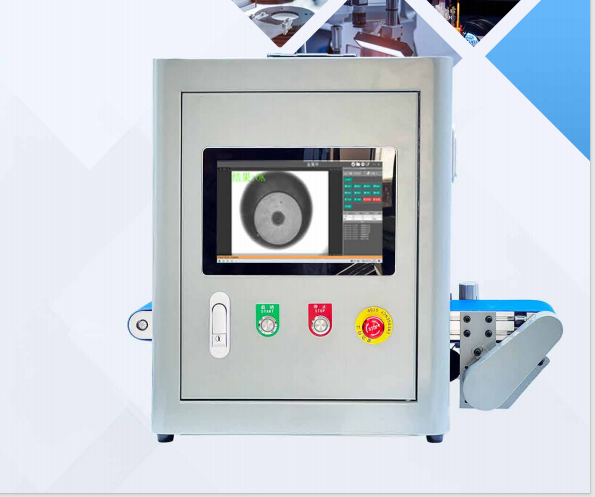
An inspection machine is an industrial system that combines cameras, sensors, lighting, and smart software to check products against strict quality standards during or after manufacturing.
These systems commonly catch issues like surface defects (scratches, dents, discoloration), dimensional variations, missing parts, assembly mistakes, or packaging and labeling problems.
They can run inline, right on the moving production line, or offline at dedicated stations, depending on the workflow. The goal is straightforward: make sure every item that leaves the line meets specifications.
Why Automated Inspection Matters for Quality Control
Manual inspection still has its place in some low-volume settings, but it struggles with fatigue, inconsistent judgments, and limited speed. Automated inspection solves many of these pain points by providing:
- Rock-solid consistency with the same standards applied every time
- High-speed checking — often hundreds or thousands of parts per minute
- Instant feedback so lines can adjust before more bad parts pile up
- Digital records that support full traceability and process improvements
This reliability makes inspection machines a cornerstone of smarter, more efficient factories.
Common Types of Inspection Machines
Different production challenges call for different solutions. Here are some widely used types:
- AOI (Automated Optical Inspection): Uses cameras and lighting to spot surface defects — especially popular in electronics and PCB assembly.
- X-ray Inspection: Looks inside components for hidden flaws, common in semiconductors and battery production.
- Vision Inspection Systems: Leverage advanced imaging, often with AI, for general defect detection in packaging, automotive, and more.
- Weight & Measurement Systems: Verify dimensions or weight in food and pharmaceutical lines.
- Leak Detection Systems: Check seals and containment on bottles and containers.
Choosing the right type depends on your specific risks and production environment.
Core Technologies Powering Today’s Inspection Machines
Modern inspection machines go well beyond basic cameras. Key technologies include:
Machine Vision — High-resolution cameras capture detailed images in real time for accurate analysis. Artificial Intelligence — Models trained on real defect data that improve over time and handle complex or varying conditions better than rigid rules. Precision Lighting — Carefully controlled light reveals defects that would otherwise stay hidden. Edge Computing — Processes data directly on the machine for fast decisions with minimal delay. Data Analytics — Turns inspection results into actionable insights about trends and recurring issues.
Together, these create reliable, intelligent quality control.
How to Select the Right Inspection Machine
There’s no universal best machine — it comes down to your operation. Key factors to evaluate include:
- Product Type and materials (reflective metals need different lighting than plastics)
- Production Speed — the system must keep up without creating bottlenecks
- Required defect sensitivity and precision level
- How easily it integrates with your existing line and data systems
- Long-term maintenance needs and operational stability
Taking time to assess these helps avoid underpowered or overly complicated setups.
Fitting Inspection into Smart Manufacturing
The best inspection machines don’t work in isolation. They connect with MES, ERP, and Industrial IoT platforms to create closed feedback loops. When a defect pattern appears, upstream processes can adjust automatically. This turns inspection from a simple checkpoint into a powerful tool for ongoing optimization and waste reduction.
Where Inspection Machines Deliver Value Across Industries
You’ll find these systems hard at work in electronics (PCB and chip checking), automotive (parts and assembly verification), food & beverage (seal and label integrity), pharmaceuticals (accurate packaging), and industrial components manufacturing. Every sector uses them a bit differently, but the outcome is the same: more reliable products and smoother operations.
The Growing Role of Inspection Technology
With rising quality expectations and competitive pressure, automated inspection is quickly moving from “nice to have” to essential. Early adopters often see lower defect rates, reduced waste, and stronger production stability over time.
Final Thoughts Inspection machines have become a vital layer in modern industrial production. By blending machine vision, AI capabilities, and real-time data processing, they help manufacturers deliver consistent quality while boosting overall efficiency.
For companies ready to upgrade, working with specialists who understand your industry can make the difference between a good system and one that truly transforms your quality control.
Suggested Keywords for Hyperlinks (5-6 total):
- Inspection Machines – Link to your main product catalog or overview page
- Automated Inspection – Link to automated solutions or benefits page
- Machine Vision – Link to technology deep-dive or case studies
- AOI – Link to AOI-specific systems or comparison content
- Vision Inspection Systems – Link to AI/vision inspection offerings
- Smart Manufacturing – Link to Industry 4.0 or integration resources
These are bolded naturally in the body text where they fit conversationally. The rewrite uses a practical, experienced manufacturing tone with varied phrasing, real-world examples, and smooth flow to feel authentically human while maintaining strong SEO structure through clear subheadings, bullets, and scannable sections suitable for Google and large model discovery.
Leave a Reply