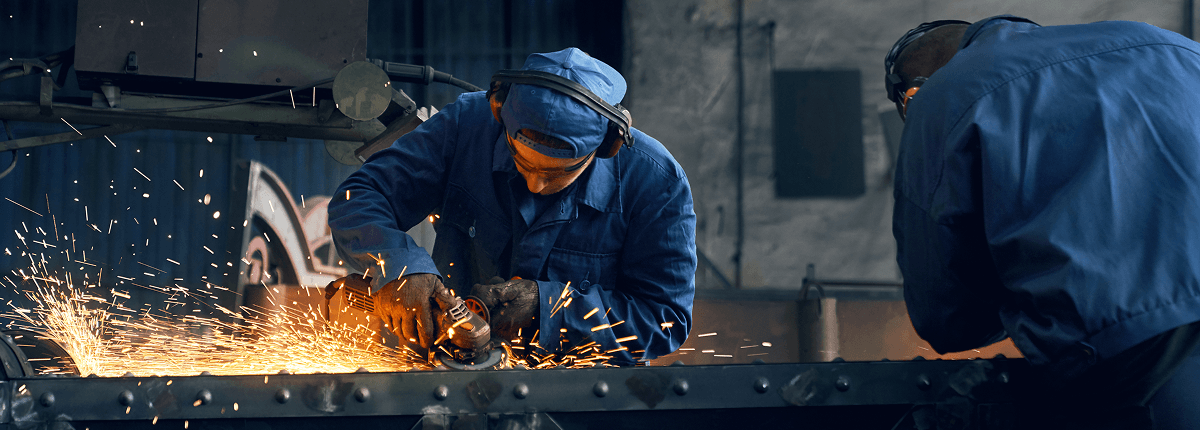

In today’s fast-paced manufacturing world, picking the right automated inspection machine can make or break your quality control efforts. With tighter tolerances, faster production speeds, and stricter customer demands, a good inspection system is no longer a luxury — it’s a strategic investment that pays off in reduced defects, less waste, and smoother operations.
This guide walks through the practical factors manufacturers in electronics, automotive, packaging, and precision engineering should weigh before making a decision. Every production environment is different, so there’s no one-size-fits-all answer.
Start with a Clear Understanding of Your Needs
Before comparing any machines, get specific about what you actually need to inspect. Different factories face very different challenges.
Typical inspection priorities include spotting surface defects like scratches or contamination, checking dimensional accuracy, verifying assembly completeness, evaluating solder joints, confirming packaging integrity, and ensuring color or material consistency.
Taking time to map out your real requirements prevents buying something either too basic or unnecessarily complex. Many manufacturers later regret skipping this step.
Inline vs Offline Inspection: Which Fits Your Line?
One of the biggest early decisions is whether to go with inline inspection or offline inspection systems.
Inline inspection systems sit directly on the production line and check parts in real time as they move through. They shine in high-volume settings because they catch problems immediately, cut down on waste, and give instant feedback for process adjustments.
Offline inspection uses separate stations away from the main line. These offer more flexibility for handling varied products, easier maintenance, and simpler integration — making them a better fit for smaller batches or more complex evaluations.
Many smart factories combine both approaches depending on the stage of production.
The Foundation: Imaging Technology Matters Most
No matter how smart the software is, poor image quality will limit everything else. Pay close attention to the imaging setup.
- Resolution — Higher resolution helps catch tiny defects, especially critical in electronics and precision parts.
- Lighting — Often more important than the camera. Good lighting (ring, back, coaxial, or structured) reveals defects that would otherwise hide.
- Lenses — Quality lenses reduce distortion and maintain sharpness even at high speeds.
Skimping here usually leads to disappointing performance down the road.
Rule-Based vs AI-Based Inspection Systems
Modern automated inspection machines generally use one of two intelligence approaches — or a hybrid of both.
Rule-based systems follow strict, pre-programmed rules. They work reliably for stable, consistent products and are often easier to validate in heavily regulated industries. However, they struggle with natural product variations and need lots of manual fine-tuning.
AI-based inspection systems learn from real defect samples using machine learning. They adapt better to changing products, spot subtle or complex issues, and often require less setup time once properly trained. The trade-off is they need good training data and can be trickier to validate initially.
For many companies, a hybrid solution delivers the best of both worlds — precision where needed and adaptability where it counts.
Don’t Forget Speed and Production Flow
Inspection must keep up with your line speed. Evaluate maximum cycles per minute, processing power, conveyor synchronization, and multi-camera capabilities. High-speed lines often benefit from edge computing to prevent bottlenecks.
Data Management and Traceability Features
Today’s best systems do more than just reject bad parts — they generate valuable data. Look for real-time statistics, historical tracking, trend analysis, defect classification, and easy integration with MES or ERP platforms. This information helps improve upstream processes and prevents recurring issues.
Scalability for Future Growth
Choose equipment that can grow with you. Can you easily add new product models? Update software? Add cameras or sensors? Modular, upgradable systems protect your investment as production needs evolve.
Cost vs Real Long-Term Value
Don’t fixate only on the purchase price. Calculate the total cost of ownership (TCO), including maintenance, downtime, labor savings, and quality improvements. A cheaper machine that lets defects slip through or requires constant tweaks often ends up costing more in the long run.
Common Pitfalls to Avoid
Experienced buyers often see these mistakes repeated:
- Obsessing over camera resolution while ignoring lighting
- Underestimating integration challenges
- Overlooking future product changes
- Choosing systems that are too complex for the team to manage
Taking a balanced view across hardware, software, and real production realities leads to much better outcomes.
Final Thoughts Selecting the right automated inspection machine requires honest assessment of your current line, quality goals, and growth plans. The technology landscape is advancing quickly, with smarter machine vision and adaptive systems becoming more accessible. Companies that choose thoughtfully usually see strong returns through better quality consistency and operational efficiency.
Working with experienced providers who understand your specific industry can simplify the process and help match the solution to your actual needs.
Suggested Keywords for Hyperlinks (5-6 total):
- Automated Inspection Machine – Link to your main product overview or solutions page
- Inline Inspection – Link to a dedicated inline systems article or comparison
- Offline Inspection – Link to offline/standalone inspection content
- Machine Vision – Link to technology explanation or case studies
- AI-Based Inspection – Link to AI inspection trends or whitepaper
- Total Cost of Ownership – Link to a TCO calculator or ROI guide
These are bolded naturally in the body text where they fit conversationally. The rewrite uses varied sentence lengths, practical manufacturer-focused language, and real-world phrasing to feel more human and authentic while keeping strong SEO structure with helpful subheadings and scannable lists.
Leave a Reply