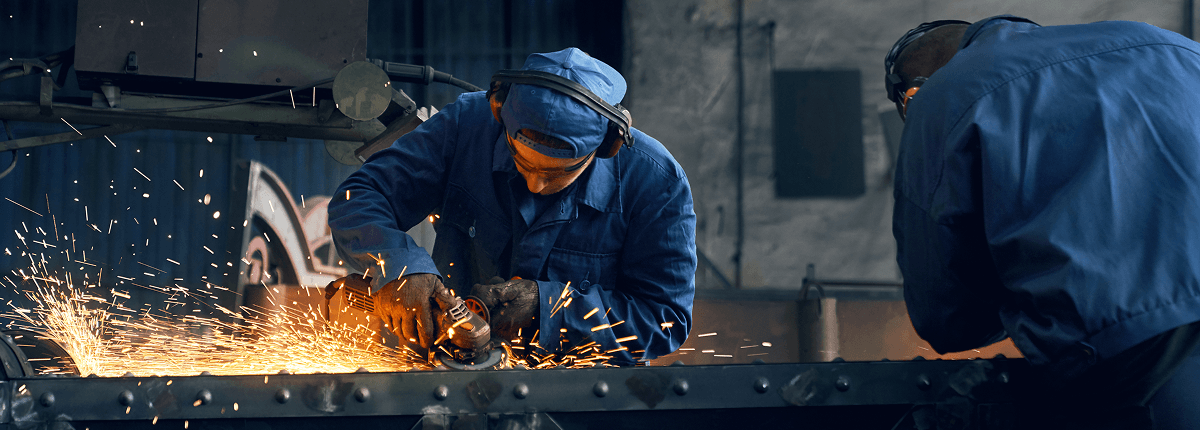

In modern manufacturing, product quality is no longer a competitive advantage—it is an operational requirement. As global supply chains become increasingly interconnected, manufacturers face growing pressure to reduce defects, improve consistency, and maintain compliance with strict industry standards.
Traditional manual inspection methods, while still useful in limited scenarios, often struggle to keep pace with today’s production volumes. Human inspectors can become fatigued, miss subtle defects, or apply inconsistent standards across shifts. As a result, manufacturers are increasingly investing in automated inspection machines to strengthen quality control and reduce operational risk.
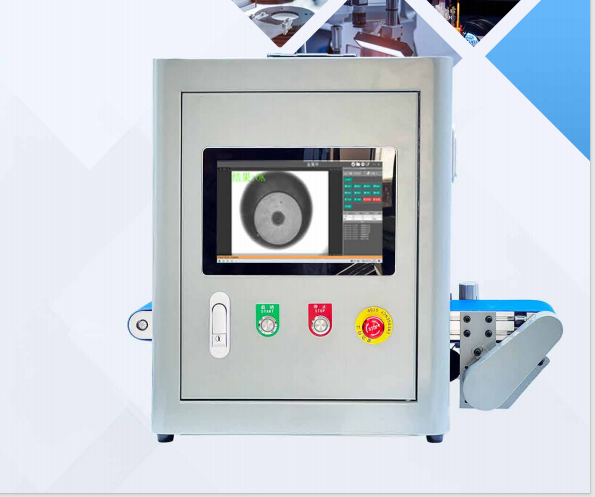
By combining machine vision, advanced sensors, and intelligent software, automated inspection systems enable manufacturers to detect defects earlier, collect actionable production data, and maintain consistent product quality at scale.
Why Automated Inspection Machines Are Becoming Essential
Quality control has evolved from a simple final-stage verification process into a continuous monitoring strategy integrated throughout production.
Several factors are accelerating the adoption of industrial inspection systems:
- Rising labor costs in manufacturing environments
- Increasing customer expectations for defect-free products
- Stricter regulatory and compliance requirements
- Demand for real-time production analytics
- Growth of high-speed automated production lines
Modern manufacturers require inspection solutions capable of operating 24/7 while maintaining consistent accuracy. Automated inspection technology addresses these requirements far more effectively than traditional manual inspection alone.
How Automated Inspection Machines Work
At their core, automated inspection machines are designed to evaluate products using predefined quality standards. Unlike human inspectors, these systems apply identical criteria to every item regardless of production volume or operating hours.
Machine Vision Technology
The foundation of most machine vision inspection systems is a combination of industrial cameras and image-processing software.
High-resolution cameras capture detailed images of products moving through the production line. Software algorithms then analyze these images to verify:
- Dimensional accuracy
- Surface quality
- Assembly correctness
- Color consistency
- Label placement
- Component presence
Inspection decisions are made within milliseconds, allowing manufacturers to identify defects without slowing production.
Advanced Sensor Integration
Visual inspection alone cannot detect every defect. To improve accuracy, many manufacturers integrate additional sensor technologies into their inspection systems.
Common sensor solutions include:
- Laser measurement sensors
- Ultrasonic testing sensors
- Infrared imaging systems
- 3D profiling scanners
- Thickness measurement devices
These technologies help identify structural abnormalities, internal defects, and dimensional variations that may not be visible through standard imaging methods.
Manual Inspection vs Automated Inspection
The advantages of automation become more apparent when comparing key operational metrics.
| Quality Metric | Manual Inspection | Automated Inspection |
|---|---|---|
| Inspection Speed | Limited by human capacity | Continuous high-speed operation |
| Consistency | Can vary between operators | Uniform inspection standards |
| Accuracy | Influenced by fatigue and focus | Stable long-term accuracy |
| Data Collection | Manual record keeping | Automatic real-time reporting |
| Scalability | Requires additional labor | Easily scales with production |
| Operating Costs | Ongoing labor expenses | Lower long-term cost per unit |
For high-volume manufacturers, automated systems often provide measurable improvements in both efficiency and defect detection rates.
Key Benefits of Automated Quality Inspection
Reduced Material Waste
One of the most significant benefits of quality control automation is early defect detection.
When defects are identified immediately after a production step, manufacturers can prevent additional processing, packaging, and transportation costs from being wasted on non-compliant products.
This proactive approach reduces scrap rates and improves overall production efficiency.
Improved Product Consistency
Consistency is critical in industries such as electronics, automotive manufacturing, medical devices, and precision engineering.
Automated inspection machines apply the same evaluation standards to every product, helping manufacturers maintain tighter tolerances and more predictable quality outcomes.
Enhanced Brand Protection
Product defects that reach customers can generate warranty claims, negative reviews, and reputational damage.
By implementing automated inspection systems, manufacturers create an additional layer of protection that helps ensure only compliant products leave the facility.
Real-Time Manufacturing Insights
Modern inspection equipment functions as more than a pass/fail checkpoint.
Many systems generate continuous streams of production data, allowing manufacturers to monitor:
- Defect trends
- Process stability
- Equipment performance
- Production bottlenecks
- Root causes of recurring issues
These insights support data-driven decision-making and continuous process improvement.
Integrating Automated Inspection into Existing Production Lines
Successful implementation requires more than simply purchasing equipment. Manufacturers should evaluate several factors before selecting an inspection solution.
Important considerations include:
Production Requirements
The inspection system must support current production volumes while remaining capable of accommodating future growth.
Product Variability
Facilities producing multiple product types should prioritize flexible inspection platforms that can be reconfigured quickly.
Software Usability
User-friendly programming interfaces reduce training requirements and simplify ongoing operation.
Data Connectivity
Modern manufacturers increasingly require inspection equipment that can integrate with MES, ERP, and Industry 4.0 platforms for centralized production monitoring.
The Future of Automated Inspection Technology
As artificial intelligence continues to advance, inspection systems are becoming increasingly capable of identifying complex defect patterns and adapting to changing production conditions.
Emerging technologies such as AI-powered defect classification, deep-learning vision algorithms, and predictive quality analytics are expanding the role of inspection machines beyond simple defect detection.
Rather than serving solely as quality checkpoints, future inspection systems will become integral components of smart manufacturing environments, helping manufacturers optimize productivity, reduce waste, and maintain competitive advantages in increasingly demanding markets.
Conclusion
The transition from manual inspection to automated quality control is no longer limited to large-scale manufacturers. Companies across industries are recognizing that automated inspection machines provide greater consistency, improved accuracy, and valuable production intelligence.
As manufacturing standards continue to rise, organizations that invest in advanced inspection technology will be better positioned to deliver reliable products, improve operational efficiency, and meet evolving customer expectations.
Leave a Reply