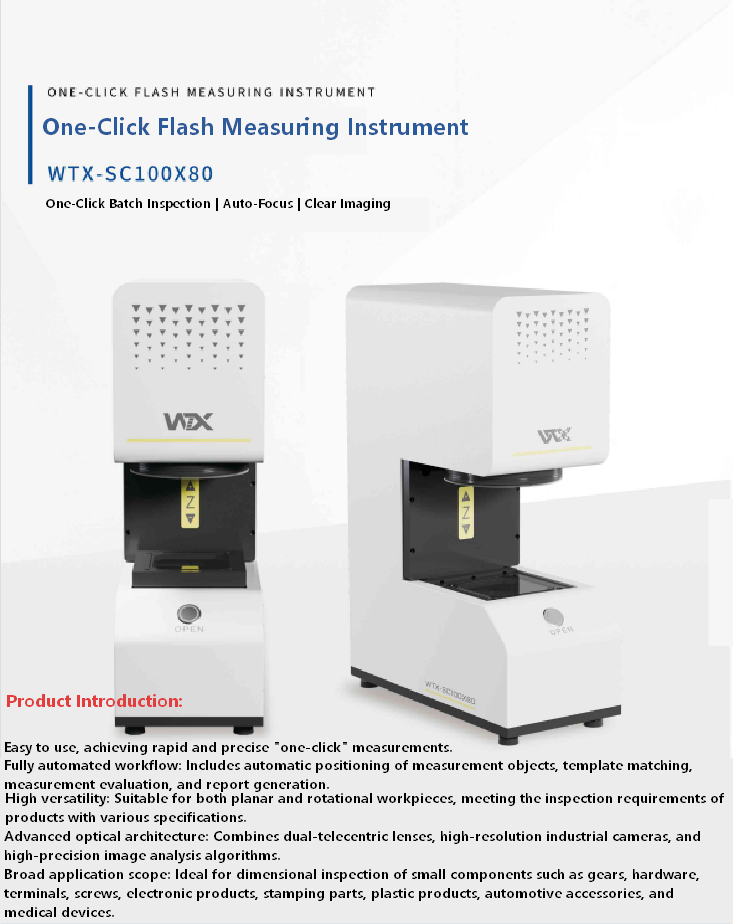

As manufacturers accelerate their digital transformation, automated inspection systems have become indispensable to maintaining product quality, improving production efficiency, and reducing operating costs. However, even the most advanced inspection equipment cannot deliver consistent performance without proper maintenance. Like any precision instrument, industrial vision systems gradually experience wear caused by continuous operation, environmental conditions, and component aging.
At the same time, manufacturing itself is changing. Traditional mass production is giving way to High-Mix, Low-Volume (HMLV) manufacturing, where companies must produce more product variants in smaller batches while maintaining strict quality standards. This shift requires inspection systems that are not only reliable but also highly flexible and easy to reconfigure.
For manufacturers planning long-term growth, preventive maintenance and adaptable inspection technology are two essential pillars of a resilient smart factory.
Preventive Maintenance Protects Inspection Performance
Many production managers focus primarily on production equipment while overlooking inspection hardware.
However, a malfunctioning machine vision inspection system can interrupt the entire production process just as quickly as a failed CNC machine, robot, or conveyor.
Inspection systems should therefore be managed as mission-critical production assets rather than secondary quality equipment.
A structured preventive maintenance program significantly reduces unexpected downtime while extending equipment service life.
Moving Beyond Reactive Maintenance
Waiting until equipment fails is one of the most expensive maintenance strategies.
Reactive maintenance often results in:
- Unplanned production stoppages
- Emergency repair costs
- Increased scrap rates
- Delayed deliveries
- Customer dissatisfaction
- Higher maintenance expenses
Preventive maintenance identifies small issues before they become major failures.
Routine inspections help detect:
- Optical contamination
- Camera misalignment
- Lighting degradation
- Loose mechanical components
- Communication faults
- Sensor performance changes
Correcting these issues early prevents costly production interruptions.
Small Problems Can Become Major Quality Risks
Industrial cameras, precision lenses, lighting systems, and sensors operate within extremely tight tolerances.
Even minor contamination or mechanical movement may affect inspection accuracy.
Examples include:
- Dust on camera lenses
- LED brightness reduction
- Slight vibration shifts
- Optical focus changes
- Cable wear
- Calibration drift
These seemingly insignificant issues may increase false rejection rates or allow defective products to pass inspection unnoticed.
Regular maintenance preserves measurement accuracy while ensuring consistent inspection performance throughout the equipment lifecycle.
Preventive Maintenance Extends Equipment Life
Modern quality inspection systems represent significant long-term investments.
Routine maintenance helps maximize that investment by reducing unnecessary component wear.
Recommended maintenance activities include:
- Cleaning optical components
- Verifying camera focus
- Checking lighting intensity
- Inspecting mechanical mounts
- Confirming calibration accuracy
- Updating firmware
- Testing communication interfaces
Scheduled maintenance also simplifies long-term equipment planning by reducing unexpected replacement costs.
Manufacturers frequently discover that well-maintained inspection systems remain productive for many years beyond their original expectations.
Empowering Operators Through Basic Maintenance Training
Not every maintenance activity requires specialized technicians.
Many routine inspection tasks can be performed by trained production personnel.
Basic operator training should cover:
- Lens cleaning procedures
- Calibration verification
- Lighting inspection
- Mechanical stability checks
- Visual equipment inspection
- Daily startup verification
Providing operators with these skills reduces dependence on external service providers while improving equipment availability.
First-line maintenance also enables production teams to identify developing issues before they affect product quality.
Reliability Delivers Measurable ROI
Preventive maintenance should be viewed as an investment rather than an operating expense.
The cost of scheduled maintenance is typically far lower than the financial impact of unexpected production downtime.
Reliable inspection systems contribute directly to:
- Higher production uptime
- Stable product quality
- Reduced maintenance costs
- Lower scrap rates
- Improved customer satisfaction
- Longer equipment lifespan
For many manufacturers, avoiding a single major production interruption can offset the annual cost of preventive maintenance.
Flexible Inspection Is Essential for High-Mix Manufacturing
Customer demand continues shifting toward greater product variety and shorter production runs.
Manufacturers increasingly produce multiple product families, customized components, and rapidly changing product configurations.
This High-Mix, Low-Volume (HMLV) environment places new demands on inspection technology.
Inspection systems must support frequent product changeovers without reducing production efficiency.
Fast Product Changeovers Increase Productivity
Traditional inspection systems often require extensive setup whenever products change.
Manual programming, calibration adjustments, and lighting modifications can consume valuable production time.
Modern automated optical inspection platforms simplify product transitions through:
- Stored inspection recipes
- Barcode-driven product selection
- Automatic parameter loading
- Intelligent camera positioning
- Software-based configuration management
These capabilities reduce changeover times from hours to minutes while maintaining inspection consistency.
Fast product transitions improve manufacturing flexibility and increase equipment utilization.
Modular Hardware Supports Production Growth
Flexible inspection begins with adaptable hardware architecture.
Manufacturers should prioritize systems supporting:
- Interchangeable lenses
- Adjustable lighting modules
- Expandable camera configurations
- Modular mounting systems
- Additional inspection stations
- Upgradeable processing hardware
This modularity allows inspection systems to evolve alongside changing production requirements.
Instead of replacing entire inspection stations, manufacturers can upgrade individual components as products and processes develop.
Modular design significantly improves long-term return on investment.
AI Improves Adaptability
Traditional rule-based inspection systems often require extensive reprogramming when products change.
Modern industrial machine vision increasingly relies on artificial intelligence capable of recognizing acceptable product variation while maintaining defect detection accuracy.
AI-assisted inspection offers several advantages:
- Faster product training
- Reduced engineering effort
- Better adaptation to new SKUs
- Improved cosmetic inspection
- Greater tolerance for normal variation
- Lower false rejection rates
As manufacturers introduce new products more frequently, AI-driven inspection becomes increasingly valuable.
Standardized Changeover Procedures Reduce Human Error
Frequent product changes increase the possibility of operator mistakes.
Successful HMLV manufacturers establish standardized inspection procedures that remain consistent regardless of product type.
Best practices include:
- Standard fixture designs
- Unified inspection workflows
- Consistent lighting configurations
- Common software interfaces
- Digital work instructions
- Automated recipe selection
Standardization reduces training requirements while improving production consistency across different operators and shifts.
Manufacturing Agility Creates Competitive Advantage
Today’s customers increasingly expect shorter lead times, customized products, and consistently high quality.
Manufacturers capable of responding quickly to changing demand gain significant competitive advantages.
Flexible machine vision inspection systems enable organizations to:
- Accept smaller production orders
- Introduce new products faster
- Reduce setup costs
- Improve production responsiveness
- Increase equipment utilization
- Expand into higher-value markets
Rather than limiting production flexibility, intelligent inspection becomes an important enabler of agile manufacturing.
Combining Reliability and Flexibility for Long-Term Success
Reliable equipment and flexible production are no longer separate manufacturing objectives.
They are closely connected.
Preventive maintenance ensures inspection systems continue operating accurately throughout years of continuous production.
Flexible inspection architecture allows manufacturers to respond rapidly to changing customer requirements without sacrificing quality.
Together, these capabilities create manufacturing operations that are more resilient, more efficient, and better prepared for future growth.
As global competition continues increasing, organizations that invest in both equipment reliability and adaptable inspection technology will be better positioned to reduce costs, improve customer satisfaction, and maintain sustainable competitive advantage in an increasingly dynamic manufacturing environment.
Leave a Reply