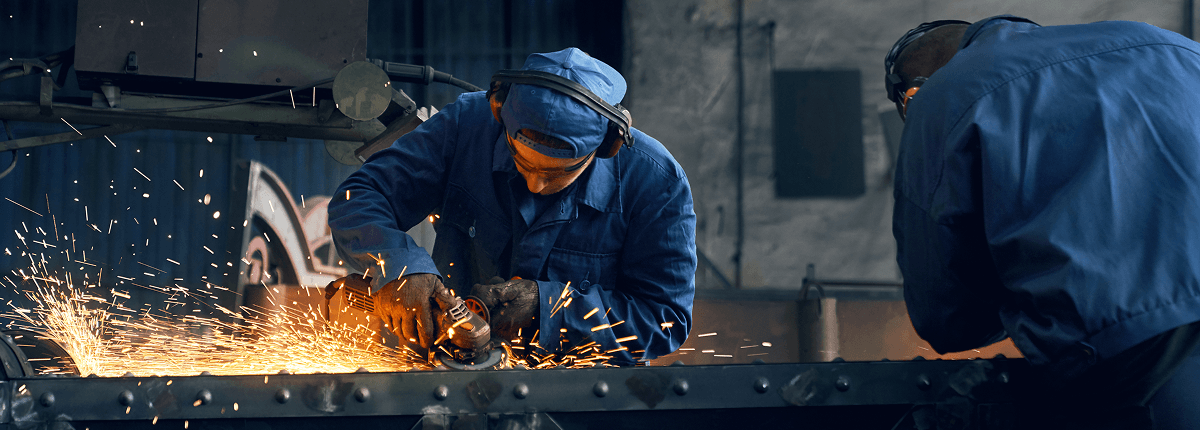
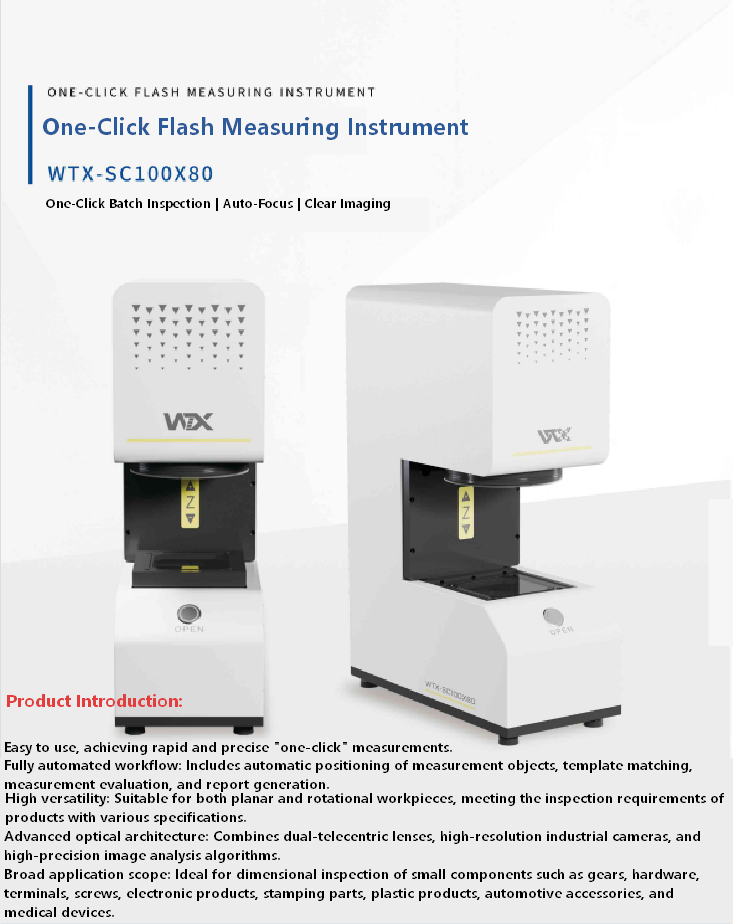

In today’s manufacturing environment, flexibility has become just as important as productivity. Customers increasingly demand customized products, shorter lead times, and smaller production batches, forcing manufacturers to handle a wider variety of parts and assemblies than ever before. While this shift creates new business opportunities, it also introduces significant challenges for quality control.
For high-mix, low-volume manufacturers, maintaining consistent inspection standards across constantly changing product lines can quickly become a major operational bottleneck. Traditional inspection methods often struggle to keep pace with frequent changeovers, resulting in longer downtime, inconsistent quality results, and reduced production efficiency.
As a result, more manufacturers are turning to advanced inspection technologies that combine flexibility, speed, and accuracy to support agile production environments.
Why High-Mix Manufacturing Creates Inspection Challenges
Unlike mass-production facilities that manufacture the same product for extended periods, high-mix manufacturers regularly switch between different part numbers, materials, dimensions, and customer specifications.
This production model is common in industries such as:
- Precision hardware manufacturing
- Electronic assembly and PCBA production
- Automotive components
- Medical device manufacturing
- Aerospace machining
- Custom industrial equipment
Every product change may require different inspection criteria, measurement parameters, lighting conditions, or defect definitions.
When inspection relies heavily on manual evaluation, these constant adjustments increase the risk of human error. Inspectors must continuously adapt to new standards, making it difficult to maintain consistent decision-making throughout the production day.
Over time, this can lead to inspection variability, reduced throughput, and higher rates of escaped defects.
The Growing Need for Machine Vision Inspection
To address these challenges, manufacturers are increasingly adopting Machine Vision Inspection systems designed specifically for flexible production environments.
Unlike traditional inspection equipment that often requires extensive setup and calibration, modern vision systems are built to accommodate rapid product changes with minimal downtime.
Advanced imaging technology enables manufacturers to inspect different products using configurable inspection profiles that can be loaded automatically when production changes occur.
This flexibility significantly reduces setup time while maintaining consistent inspection accuracy.
Modern systems can inspect:
- Surface defects
- Dimensional tolerances
- Component placement
- Assembly verification
- Solder joint quality
- Labeling and marking accuracy
- Color consistency
Because inspections are performed automatically, quality standards remain consistent regardless of production volume or product complexity.
How Modular Inspection Systems Improve Agility
One of the most significant advancements in recent years has been the development of modular inspection platforms.
Unlike fixed-function inspection equipment, modular systems allow manufacturers to adjust hardware and software configurations according to changing production requirements.
For example, a single Automated Inspection System may inspect machined metal components during one shift and electronic assemblies during the next.
This adaptability is achieved through a combination of:
- High-resolution industrial cameras
- Adjustable lighting systems
- Interchangeable optical configurations
- Flexible software algorithms
- AI-assisted defect detection
Instead of purchasing separate inspection solutions for every product category, manufacturers can deploy scalable systems that support multiple production applications.
The result is faster changeovers, reduced capital expenditure, and greater operational flexibility.
Why Flexibility Drives Competitive Advantage
Speed-to-market has become a critical factor in modern manufacturing success.
Companies that can quickly transition between product variants while maintaining strict quality standards are often better positioned to win specialized, high-value contracts.
Flexible inspection technology supports this goal by enabling manufacturers to:
- Reduce production downtime
- Accelerate product launches
- Improve customer responsiveness
- Maintain inspection consistency
- Increase production capacity without expanding quality teams
In a competitive market, the ability to adapt quickly without compromising quality can become a significant differentiator.
Manufacturers investing in Quality Control Automation today are building the foundation for long-term operational agility and sustainable growth.
Conclusion
As product variety continues to increase, traditional inspection approaches are becoming less effective in high-mix manufacturing environments.
By implementing flexible Machine Vision Inspection solutions, manufacturers can reduce changeover delays, maintain consistent quality standards, and support rapid production transitions.
The combination of modular hardware, intelligent software, and automated decision-making allows businesses to improve efficiency while remaining responsive to evolving customer requirements.
For manufacturers focused on agility, scalability, and precision, modern inspection technology is rapidly becoming an essential component of competitive production operations.
The Hidden Economic Value of 100% Automated Quality Assurance
When manufacturers evaluate new equipment investments, attention typically focuses on purchase costs, installation requirements, and production speed. However, one of the most overlooked factors is the financial impact of quality performance.
While quality issues may appear minor at first glance, their cumulative effect can significantly reduce profitability. Scrap, rework, warranty claims, customer returns, and production interruptions all contribute to what industry experts refer to as the “Cost of Quality.”
As manufacturing becomes more competitive, companies are increasingly recognizing that effective quality control is not simply a compliance requirement—it is a strategic tool for protecting margins and driving operational efficiency.
Understanding the Real Cost of Inspection Errors
Manual inspection remains common across many industries, but its limitations can create hidden expenses that are difficult to measure.
Even highly skilled inspectors can experience fatigue during repetitive tasks. As concentration decreases, the likelihood of overlooking defects increases.
A single missed defect can trigger a chain reaction of costs, including:
- Product rework
- Material waste
- Shipping returns
- Customer complaints
- Production delays
- Warranty claims
- Brand reputation damage
In high-volume manufacturing environments, even a small percentage of escaped defects can have a substantial financial impact.
This is why many manufacturers are shifting toward Automated Quality Assurance systems capable of inspecting every product consistently and objectively.
Moving from Detection to Prediction
The greatest value of modern inspection technology lies not only in detecting defects but also in predicting potential quality issues before they become widespread.
Through AI Quality Inspection, manufacturers can analyze inspection results in real time and identify subtle trends that may indicate process instability.
For example:
- Increased surface defects may suggest tool wear.
- Dimensional variations could indicate calibration drift.
- Assembly inconsistencies may signal fixture degradation.
- Soldering defects might reveal temperature control issues.
By identifying these warning signs early, manufacturers can intervene before large quantities of defective products are produced.
This predictive capability transforms inspection from a reactive activity into a proactive process improvement strategy.
Creating a Digital Quality Footprint
One of the key advantages of Industrial Vision Systems is their ability to generate data from every inspected product.
Each inspection contributes to a comprehensive digital record that supports:
- Production traceability
- Regulatory compliance
- Process optimization
- Root cause analysis
- Supplier quality management
- Predictive maintenance programs
Rather than relying on limited sampling methods, manufacturers gain complete visibility into production performance.
This information becomes increasingly valuable as organizations pursue Industry 4.0 initiatives and data-driven manufacturing strategies.
A Scalable Investment for Long-Term Growth
Many small and mid-sized manufacturers hesitate to invest in automation because they believe advanced inspection technology is only suitable for large enterprises.
In reality, today’s inspection systems are highly scalable.
Manufacturers can begin with a single workstation and gradually expand their inspection capabilities as production requirements evolve.
Common implementation options include:
- Standalone inspection stations
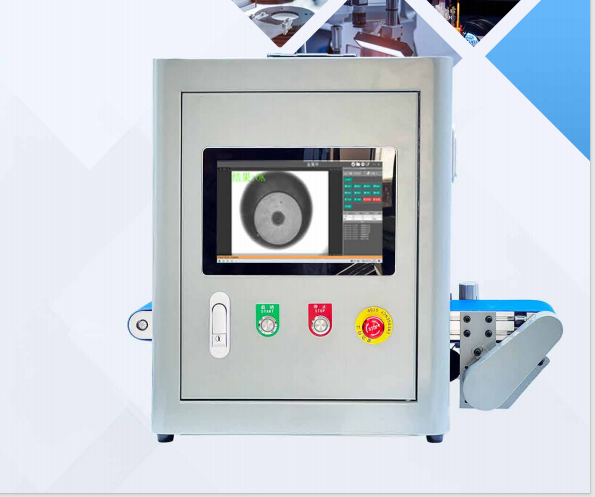
- Benchtop vision systems
- Inline inspection equipment
- Multi-camera inspection platforms
- Fully integrated robotic inspection cells
This scalability allows businesses to improve quality performance without making disruptive operational changes.
As production volumes grow, inspection infrastructure can grow alongside the business.
Strengthening Profitability Through Consistency
Consistent quality is one of the most effective ways to improve profitability.
When manufacturers reduce defect rates, they also reduce the associated costs of rework, scrap, downtime, and customer dissatisfaction.
Organizations implementing Automated Inspection Systems often experience:
- Higher first-pass yield
- Lower operational waste
- Improved production efficiency
- Reduced warranty expenses
- Stronger customer retention
- Better supplier performance ratings
Over time, these improvements contribute directly to stronger margins and more predictable business performance.
Conclusion
The true value of automated quality assurance extends far beyond defect detection.
Modern inspection systems provide manufacturers with real-time visibility, predictive insights, and continuous process improvement opportunities that help protect profitability and strengthen competitiveness.
By leveraging Industrial Vision Systems and AI Quality Inspection technologies, manufacturers can move beyond traditional quality control and create a scalable framework for long-term operational excellence.
As production demands continue to rise, investing in automated quality assurance is increasingly becoming one of the smartest decisions manufacturers can make.
Leave a Reply