
As global manufacturing becomes increasingly competitive, quality is no longer measured solely by the number of products leaving the production line. International buyers now expect consistent quality, complete traceability, and documented compliance with increasingly demanding industry standards. Manufacturers that can demonstrate reliable quality management are better positioned to secure long-term partnerships and enter higher-value markets.
Against this backdrop, many companies are rethinking their inspection strategies. Instead of relying primarily on manual checks, they are investing in intelligent inspection technologies that improve efficiency, reduce waste, and provide real-time production insights. Upgrading inspection capabilities is no longer viewed as an operational expense—it has become a strategic investment that supports sustainable growth and global competitiveness.
Why Manual Inspection Becomes a Growth Constraint
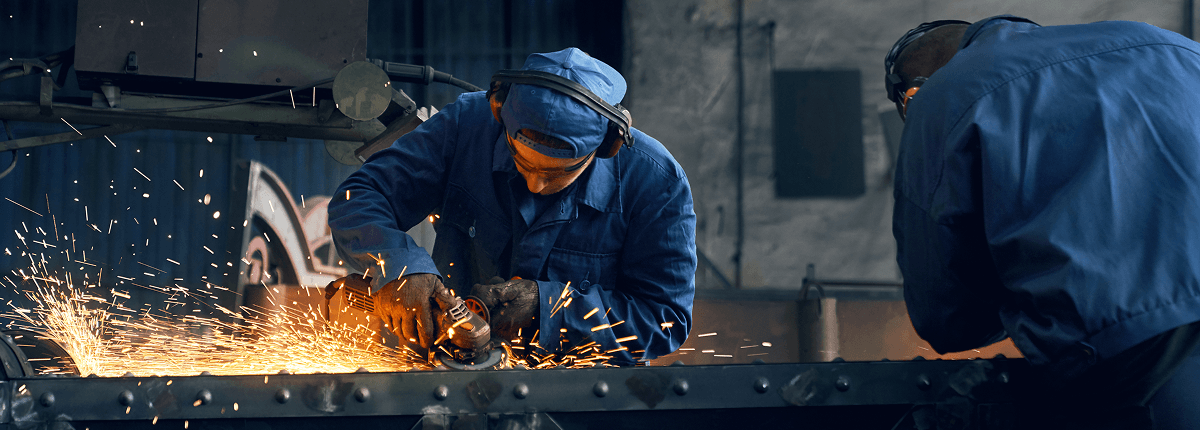
Manual inspection remains useful for prototype development, low-volume production, and highly customized manufacturing. However, as production scales, its limitations become increasingly apparent.
Human inspectors inevitably experience fatigue during repetitive visual tasks, leading to inconsistent inspection results over long shifts. At the same time, growing production volumes require additional inspectors, increasing labor costs, training requirements, and management complexity.
Perhaps the greatest challenge is maintaining consistent quality standards across multiple production lines, shifts, or manufacturing facilities. Variations in human judgment can result in defects being overlooked, increasing the likelihood of customer complaints, product returns, and costly rework.
For manufacturers serving global supply chains, these inconsistencies can directly impact supplier evaluations and future business opportunities.
Building a Modern Automated Inspection System
Successful manufacturers recognize that inspection is no longer a standalone activity performed at the end of production. Instead, it is an integrated part of a comprehensive quality management strategy.
A high-performing Automated Inspection System is built upon three essential foundations.
Precision Hardware
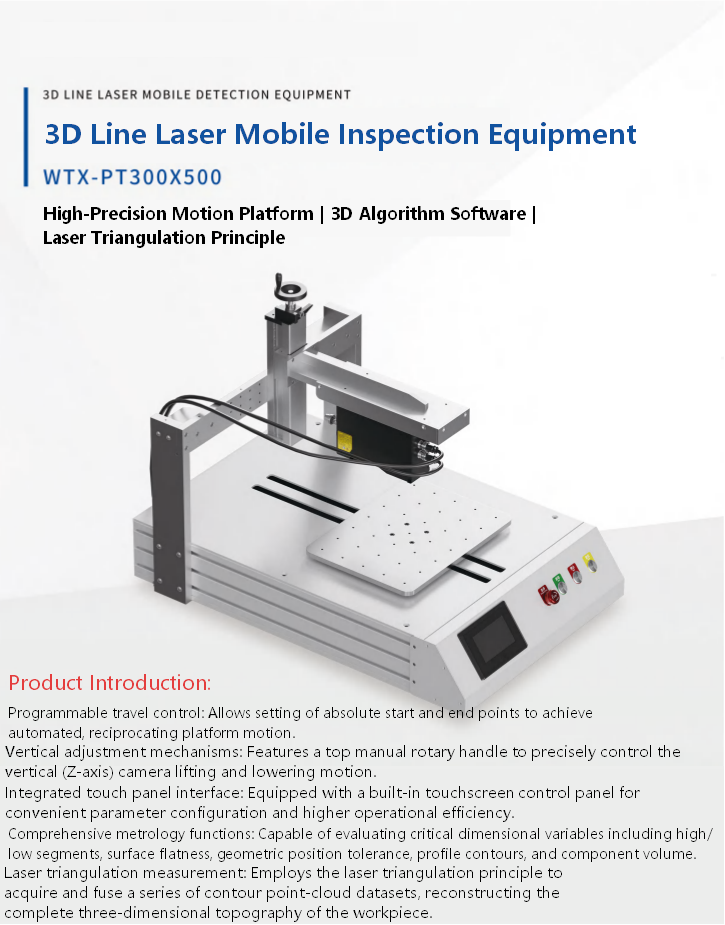
Reliable inspection begins with high-quality imaging equipment. Cameras, industrial lenses, lighting systems, and sensors must work together to capture detailed and repeatable images under production conditions.
Different products require different optical configurations. Electronics manufacturers may focus on microscopic solder joint inspection, while metal component suppliers prioritize dimensional accuracy, surface finish, or machining defects. Selecting appropriate hardware ensures the inspection system can accurately detect the specific defects that matter most.
Flexible Inspection Software
Modern production environments often manufacture multiple product variants on the same line. Inspection software must therefore be flexible enough to adapt quickly without lengthy downtime.
Advanced Machine Vision Inspection platforms use configurable inspection algorithms that allow manufacturers to switch between product models, modify inspection parameters, and introduce new quality criteria with minimal disruption.
Artificial intelligence further enhances these capabilities by continuously improving defect recognition, particularly for complex or irregular surface defects that traditional rule-based systems may struggle to identify.
Stable Operating Conditions
Even the most advanced inspection equipment performs best within a stable environment. Lighting consistency, vibration control, dust management, and proper equipment positioning all contribute to inspection accuracy.
By minimizing environmental variations, manufacturers create reliable inspection conditions that maintain consistent detection performance throughout every production shift.
Reducing Scrap Through Real-Time Intelligence
One of the greatest advantages of modern inspection technology is its ability to identify production issues before they become expensive problems.
Traditional inspection often identifies defective products only after they have already been manufactured. Automated systems, however, continuously monitor production quality and immediately highlight abnormal defect patterns.
For example, recurring scratches may indicate worn cutting tools, while repeated dimensional deviations could signal equipment calibration issues. Misaligned assemblies might reveal fixture wear or robotic positioning errors.
This real-time feedback transforms inspection from a simple sorting process into a continuous improvement tool.
Instead of merely separating defective products from acceptable ones, Quality Control Automation enables maintenance teams and production engineers to correct root causes quickly, preventing hundreds—or even thousands—of additional defective parts from being produced.
The result is lower scrap rates, reduced material waste, improved equipment utilization, and significantly lower production costs.
Achieving High-Speed Production Without Sacrificing Accuracy
Many manufacturers hesitate to introduce additional inspection because they assume it will reduce production speed. Modern inspection technology has largely eliminated this concern.
Today’s automated systems perform complex inspections within milliseconds using high-speed industrial cameras and powerful processors. In many production environments, inspection is completed faster than the manufacturing operation itself.
Manufacturers can choose different deployment models depending on operational requirements:
- Standalone inspection stations for sample verification
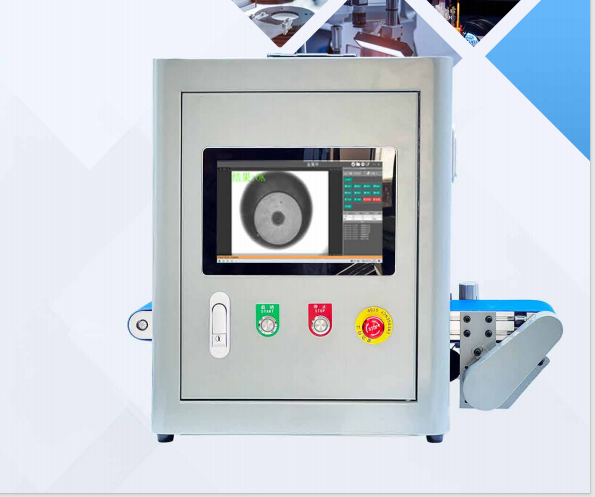
- Inline inspection systems for continuous production monitoring
- Multi-camera solutions for complex assemblies
- Robotic inspection cells for automated handling
With the appropriate configuration, manufacturers can achieve nearly 100% inspection coverage while maintaining production throughput.
Supporting the Next Generation of Smart Manufacturing
Inspection technology is becoming a central component of digital manufacturing strategies.
Modern systems increasingly integrate with Manufacturing Execution Systems (MES), Enterprise Resource Planning (ERP) software, programmable logic controllers (PLC), and Industrial Internet of Things (IIoT) platforms.
This connectivity allows manufacturers to:
- Monitor quality performance in real time
- Maintain complete production traceability
- Generate automated inspection reports
- Support regulatory compliance
- Analyze long-term production trends
- Enable predictive maintenance strategies
As factories continue adopting Industry 4.0 technologies, inspection data becomes an increasingly valuable business asset rather than simply a quality record.
Companies that invest in scalable inspection infrastructure today are better prepared for future automation initiatives, digital factory projects, and increasingly demanding customer requirements.
Creating Long-Term Competitive Advantage
Inspection upgrades deliver benefits that extend well beyond defect detection.
Manufacturers with robust inspection capabilities often experience:
- Higher first-pass yield
- Reduced warranty claims
- Lower production costs
- Faster customer approvals
- Stronger supplier ratings
- Greater confidence during quality audits
- Improved reputation in international markets
These advantages become particularly valuable when competing for contracts with multinational manufacturers that require strict quality documentation and process transparency.
Rather than viewing inspection equipment as a production expense, leading manufacturers increasingly recognize it as an investment in operational excellence and long-term business growth.
Conclusion
As manufacturing standards continue to rise, inspection is evolving from a final quality checkpoint into a strategic component of intelligent production.
By implementing Industrial Vision Systems, manufacturers can improve product consistency, reduce scrap, accelerate production, and generate valuable operational insights that support continuous improvement.
Companies that modernize their inspection infrastructure today will be better equipped to meet future industry requirements, strengthen customer confidence, and compete successfully in an increasingly demanding global marketplace.
Leave a Reply