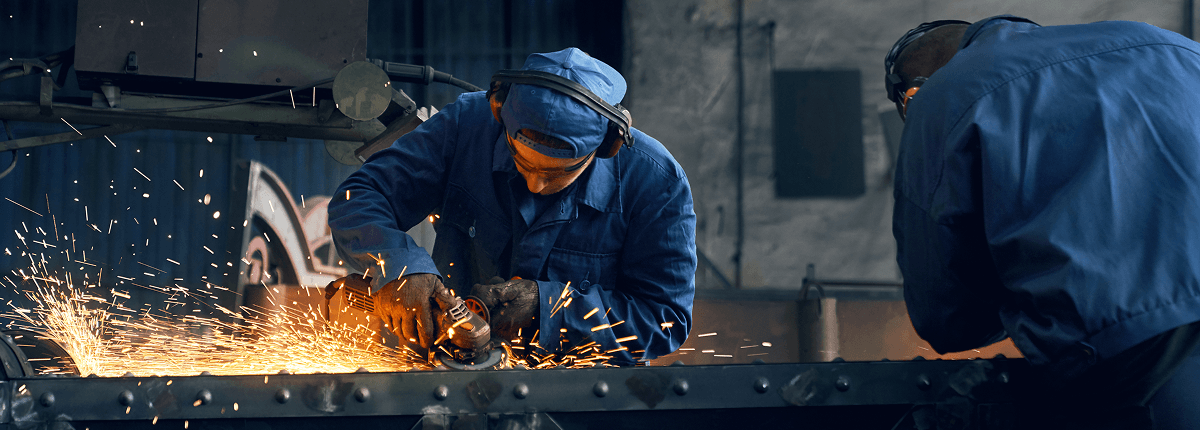

Reducing waste has become a strategic priority for manufacturers seeking to improve profitability, sustainability, and production efficiency. While material scrap is often the most visible form of waste, many manufacturing losses occur long before defective products reach the recycling bin.
Machine time, energy consumption, labor hours, and unnecessary rework all contribute to operational costs that are frequently overlooked. By implementing Automated Inspection Systems throughout the production process, manufacturers can detect quality issues earlier, reduce unnecessary resource consumption, and build more efficient manufacturing operations.
Rather than reacting to defects after production is complete, automated inspection enables manufacturers to prevent waste at its source.
Understanding Hidden Manufacturing Waste
Not all production losses are immediately visible.
A defective component that continues through multiple manufacturing stages consumes machining time, assembly labor, electricity, compressed air, and raw materials before finally being rejected.
This type of hidden loss is often referred to as “hidden production waste” because the factory appears productive while actually consuming valuable resources without generating usable output.
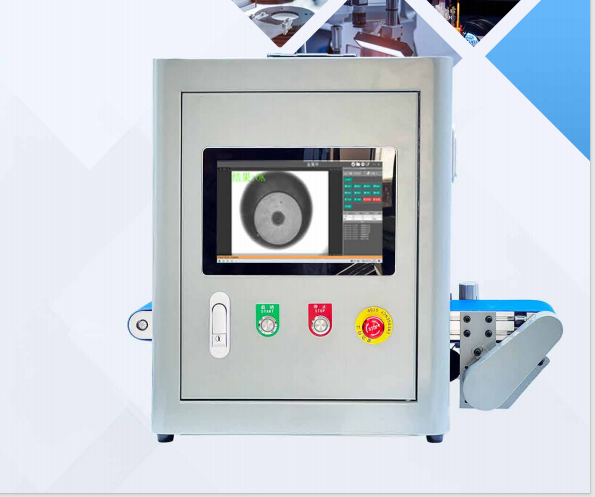
By deploying Machine Vision Inspection Systems at critical production stages, manufacturers can identify defects as soon as they occur, preventing additional processing of nonconforming products.
Early detection limits waste to a much smaller production batch while reducing the overall financial impact of quality issues.
Detecting Problems at the Point of Origin
The earlier a defect is detected, the lower its total manufacturing cost.
Instead of relying exclusively on final inspection, many manufacturers now install inspection stations throughout the production process.
These systems continuously monitor product quality and immediately alert operators—or automatically stop production—when abnormal conditions are detected.
This approach allows engineering teams to investigate process deviations before they spread across larger production volumes.
By identifying defects at their point of origin, manufacturers improve process stability while reducing scrap and rework.
Improving Resource Utilization Across the Factory
Automated inspection contributes to operational efficiency in multiple ways beyond quality control.
Reducing Manual Inspection Work
Repetitive visual inspection is time-consuming and susceptible to fatigue.
Using Quality Inspection Systems, manufacturers can automate routine inspection tasks while allowing skilled employees to focus on equipment optimization, preventive maintenance, and production improvement initiatives.
Extending Equipment and Tool Life
Inspection data provides valuable insight into machine performance.
Gradual dimensional changes or recurring surface defects often indicate tool wear, fixture misalignment, or equipment deterioration.
By monitoring these trends, maintenance teams can replace tooling at the optimal time rather than too early or after product quality has already declined.
This predictive maintenance strategy reduces consumable costs while extending equipment service life.
Improving Energy Efficiency
Stable production processes consume fewer resources.
Reducing scrap and minimizing rework decreases machine operating time, lowers electricity usage, and improves the overall energy efficiency of manufacturing operations.
Over time, these improvements contribute to lower production costs and reduced environmental impact.
Supporting Lean Manufacturing Principles
Waste reduction is a core objective of Lean Manufacturing, where continuous improvement focuses on eliminating activities that do not create customer value.
Automated inspection supports lean production by providing real-time quality feedback that improves process capability and increases First Pass Yield (FPY).
Instead of discovering quality problems after production has finished, manufacturers receive immediate inspection results that allow corrective action before defects multiply.
This proactive approach reduces unnecessary inventory, shortens production cycles, and improves overall manufacturing flow.
Using Inspection Data to Drive Continuous Improvement
Modern inspection systems generate far more than pass-or-fail decisions.
Each inspection cycle creates structured production data that helps manufacturers better understand process performance.
When combined with Industrial Vision Systems, production analytics can identify recurring defect patterns, equipment instability, and long-term process variation.
These insights allow engineering teams to optimize production parameters, improve equipment reliability, and make data-driven decisions that continuously enhance manufacturing efficiency.
Over time, inspection data becomes an important foundation for predictive maintenance, process optimization, and digital manufacturing initiatives.
Building a More Competitive Manufacturing Operation
Manufacturers that consistently reduce waste gain advantages beyond lower production costs.
Higher process stability leads to more reliable delivery schedules, stronger customer confidence, and better utilization of existing production capacity.
Rather than expanding facilities or purchasing additional equipment, many manufacturers improve output simply by increasing the percentage of products that pass inspection the first time.
With AI Vision Inspection, deep learning algorithms further improve resource efficiency by identifying subtle quality trends that traditional rule-based systems may overlook.
This adaptive capability helps manufacturers reduce false rejects, detect complex defects earlier, and continuously improve inspection accuracy as production data grows.
Conclusion
Operational waste extends far beyond defective products. It includes every unnecessary hour of machine operation, every avoidable production interruption, and every resource consumed processing products that never reach the customer.
By integrating Automated Inspection Systems throughout the manufacturing process, companies can detect defects earlier, optimize resource utilization, reduce operating costs, and support long-term continuous improvement.
As manufacturers continue adopting smart factory technologies, automated inspection is becoming a key driver of lean production, sustainable manufacturing, and long-term operational excellence.
Leave a Reply