
Among the various cell form factors, pouch cells are heavily utilized due to their superior packaging efficiency and lightweight characteristics. However, the integrity of a pouch cell relies entirely on two highly critical manufacturing steps: foil-to-tab welding and the final thermally sealed enclosure.
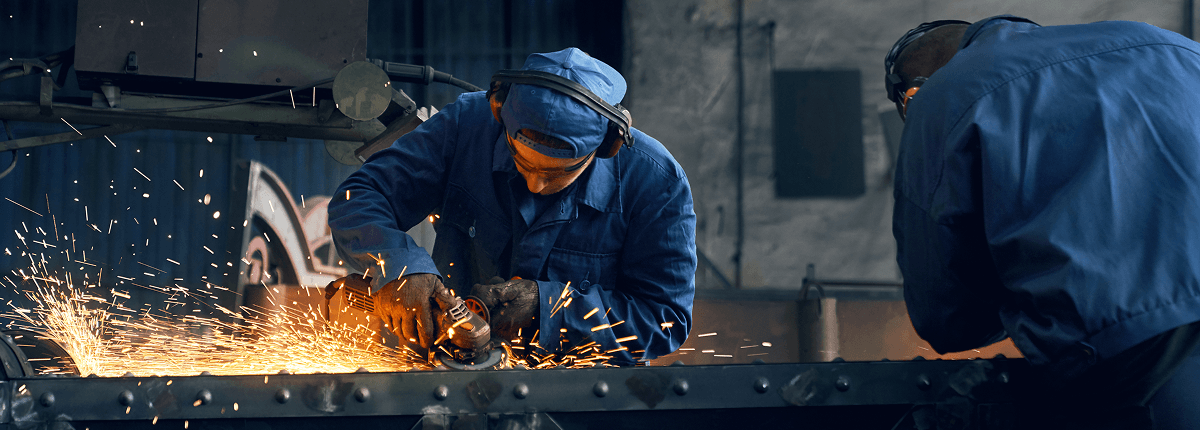
During high-speed ultrasonic or laser welding, even a single microscopic loose copper/aluminum splatter, a wrinkled seal perimeter, or an un-fused tab zone can compromise the cell. If a defective cell bypasses Battery Quality Control procedures, volatile electrolyte leakage or internal short circuits may occur during operation, increasing the risk of Thermal Runaway Prevention failures.
Because tab materials are highly reflective and pouch foils easily deform, traditional 2D imaging cannot reliably identify volumetric defects. Modern manufacturers therefore deploy Automated Inspection Machines equipped with multi-spectral sensors and intelligent analytics.
Critical Inspection Stages in Pouch Cell Manufacturing
Tab Alignment and Pre-Weld Verification
Before welding begins, electrode foils must be aligned with extreme precision. Advanced Tab Welding Inspection systems verify overlap accuracy, foil positioning, and rotational alignment.
Any folded electrode edge or positioning deviation can lead to poor weld quality, separator damage, or long-term reliability issues.
Post-Weld Integrity Assessment
After ultrasonic or laser welding, Battery Pouch Inspection systems evaluate weld bead consistency, weld penetration quality, and metal particle contamination.
Specialized algorithms identify:
- Weld cracks
- Incomplete fusion
- Excessive spatter
- Surface irregularities
Early detection prevents conductive debris from damaging internal separators and creating latent failure points.
Pouch Seal Verification
Following electrolyte filling, the pouch enclosure must be sealed without wrinkles, contamination, or trapped materials.
Modern 3D Vision Inspection systems analyze seal geometry in real time, measuring height variation and identifying defects that conventional cameras cannot detect.
Leave a Reply