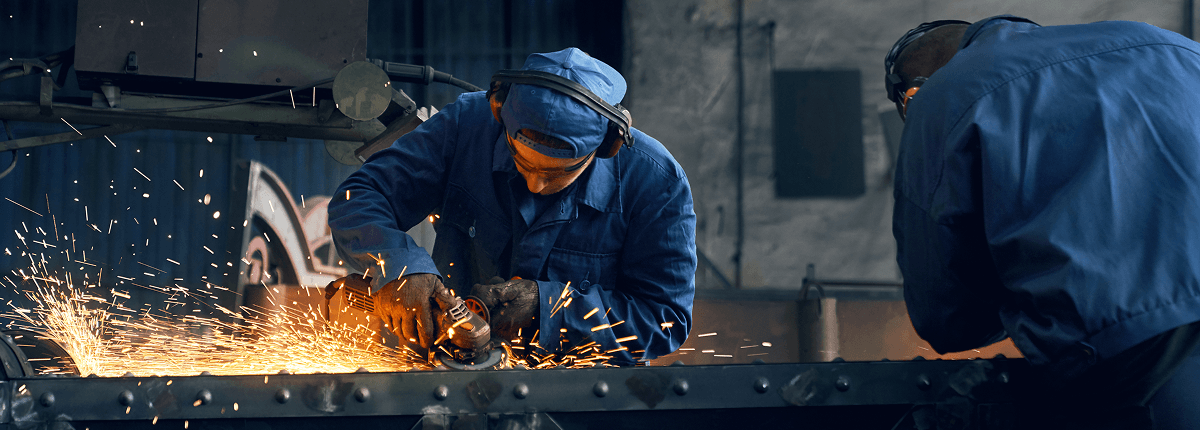

Manufacturing is shifting from labor-heavy, experience-based operations toward highly automated, data-rich environments. At the heart of this change are automated inspection machines, which have evolved from basic quality checkpoints into intelligent, connected systems that actively support smarter production.
As factories embrace Industry 4.0 principles, inspection technology is becoming more adaptive, predictive, and deeply integrated with the entire manufacturing ecosystem.
From Final Checkpoint to Continuous Quality Intelligence
In the past, inspection usually happened at the end of the line — products were made first, then examined for problems. This reactive approach created waste and delays in high-volume settings. Today’s systems embed inspection throughout the process, delivering continuous feedback, real-time data, and early problem detection that helps reduce defects before they multiply.
The Growing Impact of AI in Inspection Technology
Artificial Intelligence stands out as one of the biggest game-changers for the future of inspection. AI-powered systems go beyond rigid rules to:
- Spot complex or entirely new defect patterns
- Learn from ongoing production data
- Lower both false rejects and missed defects
- Adapt quickly to new product designs with less manual setup
The more these systems run, the smarter they become, delivering steadily better performance over time.
Edge Computing for Real-Time Responsiveness
Another important advance is the move toward edge computing. Instead of relying on distant servers, processing happens directly at or near the inspection machine. This brings faster decisions, lower latency, and greater reliability — critical advantages when production lines run at high speeds and every millisecond counts.
Multi-Sensor and Fusion Approaches
Future automated inspection machines are expanding beyond traditional cameras. Many now combine multiple technologies, such as machine vision, thermal imaging, laser measurement, acoustic sensors, and spectral analysis. This fusion helps reveal defects that any single method would miss, creating more complete quality insights.
Digital Twins and Predictive Quality Control
Digital twins — virtual replicas of physical production systems — are gaining traction. They let manufacturers simulate scenarios, predict potential quality issues, and optimize inspection setups before problems arise. Combined with AI analysis of production data, this shifts inspection from simply finding defects to preventing them by identifying equipment wear, process drift, or material inconsistencies early.
Seamless Integration with Smart Factory Ecosystems
Modern inspection systems no longer work in isolation. They connect with MES, ERP platforms, production dashboards, and traceability tools to provide end-to-end visibility. Cloud-based analytics further enable centralized data review across multiple sites, long-term trend analysis, and remote monitoring.
Changing Roles for People in Quality Control
As automation advances, human involvement is shifting toward higher-value tasks: supervising systems, training and validating AI models, analyzing data for process improvements, and handling maintenance. This frees operators from repetitive manual checks while leveraging their expertise where it matters most.
Industry Drivers Pushing Innovation Forward
Electronics manufacturing demands ever-higher precision for micro-defects. The automotive sector requires robust multi-stage verification for safety. Semiconductors need extreme accuracy at tiny scales, while packaging focuses on speed and compliance. Each sector drives inspection technology toward greater specialization and performance.
Remaining Challenges on the Horizon
Progress isn’t without hurdles. AI systems need large, high-quality datasets. Integration with legacy equipment can be complex. Initial costs for advanced setups may be significant, and standardization across vendors remains an ongoing issue. However, these barriers are gradually decreasing as the technology matures.
What Lies Ahead for Automated Inspection
Looking forward, expect more autonomous AI-driven systems, real-time global synchronization, fully integrated digital twins, multi-sensor platforms, and self-optimizing quality solutions. These advances will continue lowering defect rates while boosting efficiency and scalability.
Final Thoughts Automated inspection machines are transforming from standalone tools into core intelligence engines within smart manufacturing. With deeper AI integration, edge computing, multi-sensor capabilities, and strong Industry 4.0 connectivity, they are helping factories achieve higher reliability, lower waste, and more proactive quality control. As production grows more complex, these systems will remain central to competitive, future-ready manufacturing operations.
Leave a Reply