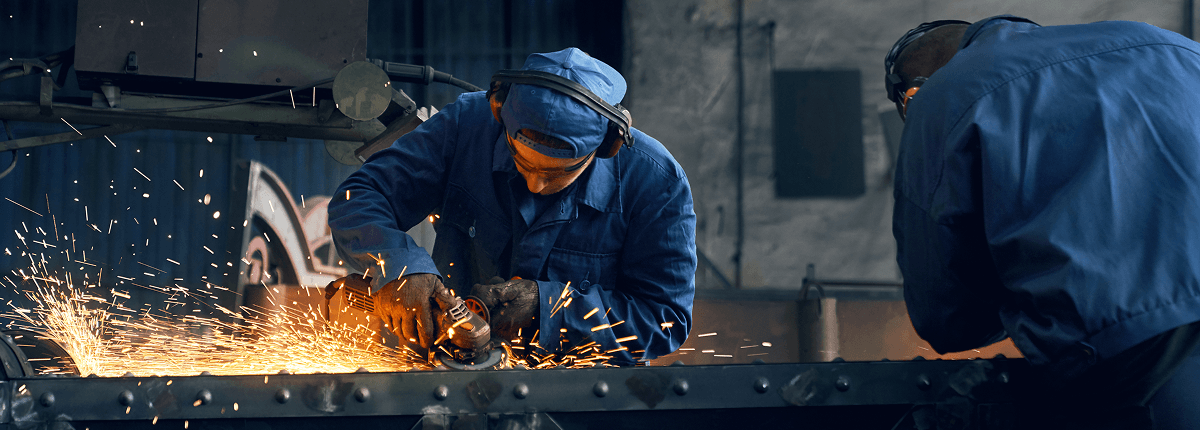

In today’s manufacturing environment, maintaining consistent product quality is no longer just a competitive advantage—it is a basic operational requirement. As production volumes increase and component designs become more sophisticated, traditional manual inspection methods often struggle to keep pace with modern manufacturing demands.
This challenge has accelerated the adoption of Automated Optical Inspection (AOI) systems across industries ranging from electronics and automotive manufacturing to pharmaceuticals and packaging. By combining advanced imaging technology with intelligent software analysis, AOI enables manufacturers to detect defects quickly, improve production consistency, and reduce overall quality-related costs.
This article explores how AOI technology works, where it is commonly applied, and what manufacturers should consider when integrating an inspection solution into existing production processes.
What Is Automated Optical Inspection?
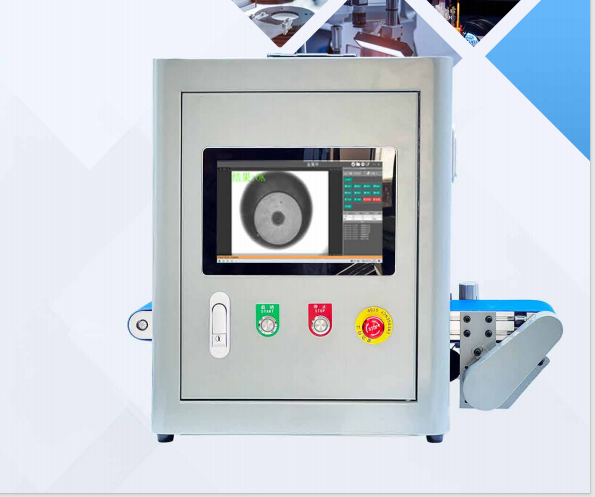
An Automated Optical Inspection (AOI) system is a machine vision solution designed to identify manufacturing defects through automated image analysis. Acting as a digital quality inspector, the system continuously examines products during production and compares captured images against predefined quality standards.
Unlike manual inspection, AOI systems can operate continuously at production-line speeds while maintaining consistent inspection criteria for every unit produced.
A typical AOI workflow consists of three core elements:
- Controlled illumination
- High-resolution image acquisition
- Intelligent defect detection algorithms
Together, these technologies allow manufacturers to identify both cosmetic and functional defects before products reach customers.
Key Technologies Behind AOI Systems
Advanced Illumination Systems
Lighting is one of the most critical factors influencing inspection accuracy. Even the most advanced camera cannot identify a defect that is poorly illuminated.
Modern AOI equipment typically employs several specialized lighting techniques.
Coaxial Lighting
Coaxial lighting directs illumination vertically onto a target surface. This method is particularly effective for:
- Reflective materials
- Flat metallic surfaces
- Surface scratches
- Missing components
By minimizing shadows, coaxial lighting enhances the visibility of subtle surface defects.
Ring Lighting
Ring lights distribute illumination from multiple angles around the inspection area.
This configuration is commonly used for inspecting:
- Solder joints
- Raised characters
- Molded plastic parts
- Three-dimensional assemblies
The multi-directional lighting helps reveal structural variations that may otherwise remain hidden.
Backlighting
Backlighting positions the light source behind the inspected object, creating a high-contrast silhouette.
Applications include:
- Edge detection
- Dimension verification
- Hole inspection
- Shape measurement
This technique is widely used in precision manufacturing environments where dimensional accuracy is critical.
Industrial Image Acquisition
Once the lighting environment is optimized, industrial cameras capture detailed images of each product.
Depending on production requirements, manufacturers may choose between:
Area-Scan Cameras
Area-scan cameras capture a complete image in a single exposure.
They are commonly used for:
- PCB inspection
- Packaging verification
- Label inspection
- Product appearance checks
Line-Scan Cameras
Line-scan cameras capture images one line at a time while the product moves through the inspection area.
They are ideal for:
- Continuous web materials
- Large surface inspections
- High-speed production lines
- Roll-to-roll manufacturing processes
Modern AOI systems often utilize multi-megapixel sensors capable of detecting defects invisible to the human eye.
Intelligent Defect Detection Software
After image capture, software algorithms analyze the visual data and determine whether a product meets predefined quality standards.
Traditional AOI platforms rely on rule-based inspection methods such as:
- Pattern matching
- Geometric measurements
- Golden sample comparison
More advanced systems increasingly incorporate machine vision and machine learning technologies.
These intelligent systems can learn acceptable manufacturing variations and distinguish between genuine defects and normal process fluctuations. As a result, manufacturers often experience lower false-rejection rates and improved inspection reliability.
Major Applications of AOI Across Industries
Electronics Manufacturing and PCB Assembly
The electronics industry remains one of the largest adopters of AOI technology.
Modern printed circuit boards contain hundreds or even thousands of miniature components that must be accurately positioned and soldered.
AOI systems commonly inspect:
- Missing components
- Component polarity errors
- Incorrect placement
- Solder bridges
- Insufficient solder
- Surface contamination
By detecting these defects immediately after assembly, manufacturers can significantly reduce downstream repair costs.
Automotive Component Production
Automotive manufacturers depend on strict quality standards due to safety and regulatory requirements.
AOI technology is frequently used to inspect:
- Machined engine components
- Brake system parts
- Fastener placement
- Sealant application
- Surface finishing quality
Automated inspection helps ensure product consistency while supporting traceability requirements throughout the production process.
Packaging and Pharmaceutical Industries
In packaging operations, AOI systems verify product presentation and compliance information.
Common inspection tasks include:
- Barcode verification
- Label alignment
- Print quality inspection
- Expiration date validation
- Package seal integrity
Within pharmaceutical manufacturing, AOI systems also inspect:
- Blister packs
- Medical devices
- Vial filling accuracy
- Product presence verification
These inspections play an important role in maintaining both product safety and regulatory compliance.
Manual Inspection vs. Automated Optical Inspection
While manual inspection remains useful for certain specialized applications, AOI offers significant advantages in modern production environments.
| Inspection Factor | Manual Inspection | Automated Optical Inspection |
|---|---|---|
| Inspection Speed | Limited by operator performance | Consistent high-speed operation |
| Accuracy | Varies by individual inspector | Repeatable and standardized |
| Fatigue Impact | Performance decreases over time | No fatigue-related variation |
| Small Defect Detection | Limited capability | High-resolution detection |
| Data Collection | Often manual | Automatic data recording |
| Traceability | Limited | Full inspection history |
| Operating Cost | Continuous labor expense | Lower long-term operating cost |
For manufacturers pursuing higher productivity and quality consistency, AOI often delivers measurable operational improvements.
Important Considerations Before Implementing an AOI System
Selecting the right inspection solution requires more than simply comparing camera specifications.
Several practical factors should be evaluated before investment.
Production Line Integration
Manufacturers should first determine how the inspection equipment will fit into existing workflows.
Key considerations include:
- Available floor space
- Conveyor compatibility
- Communication protocols
- Production speed requirements
- Future expansion plans
Inline systems are often preferred because they support real-time defect detection without interrupting production flow.
Ease of Programming and Operation
An AOI platform should be flexible enough to accommodate product changes without requiring extensive engineering support.
User-friendly software can reduce:
- Setup time
- Operator training requirements
- Production downtime
This becomes particularly important for facilities handling multiple product variants.
Return on Investment (ROI)
Although AOI systems require upfront capital investment, ROI is typically driven by:
- Reduced scrap rates
- Fewer customer complaints
- Lower rework costs
- Improved production efficiency
- Reduced inspection labor requirements
For many manufacturers, the long-term savings substantially outweigh the initial implementation costs.
Equipment Selection and Supplier Evaluation
Different production environments require different inspection capabilities.
When evaluating automated optical inspection systems, buyers should compare:
- Camera resolution
- Inspection speed
- Lighting configurations
- Software functionality
- Technical support availability
- Future upgrade options
Careful supplier evaluation helps ensure that the selected solution aligns with both current production requirements and long-term business objectives.
The Future of AOI Technology
As manufacturing continues to embrace Industry 4.0 initiatives, AOI systems are evolving beyond simple pass/fail inspection tools.
Modern platforms increasingly integrate with:
- Manufacturing Execution Systems (MES)
- Industrial IoT networks
- Statistical Process Control (SPC) software
- Predictive maintenance platforms
These integrations allow inspection data to become a valuable source of production intelligence, helping manufacturers identify process trends before defects occur.
Artificial intelligence and deep learning technologies are also expected to further improve inspection accuracy, especially in applications involving complex surfaces, variable materials, and highly customized products.
Conclusion
Automated Optical Inspection has become a critical component of modern quality control strategies. By combining advanced imaging technologies, intelligent analysis software, and real-time production monitoring, AOI systems provide manufacturers with a reliable method for detecting defects while maintaining high production throughput.
Whether deployed in electronics assembly, automotive manufacturing, pharmaceutical production, or packaging operations, AOI technology helps organizations improve consistency, reduce waste, and strengthen product quality standards. As manufacturing processes become increasingly automated and data-driven, the role of AOI will continue to expand as a foundational element of smart factory quality assurance.
Leave a Reply