
Why Automated Vision Inspection Has Become Essential in Modern Manufacturing
Quality control is no longer just a production requirement—it has become a critical factor influencing customer satisfaction, regulatory compliance, and long-term profitability.
As manufacturing tolerances continue to tighten across industries such as automotive components, electronics, medical devices, and precision machining, even minor defects can result in product failures, warranty claims, or costly recalls.
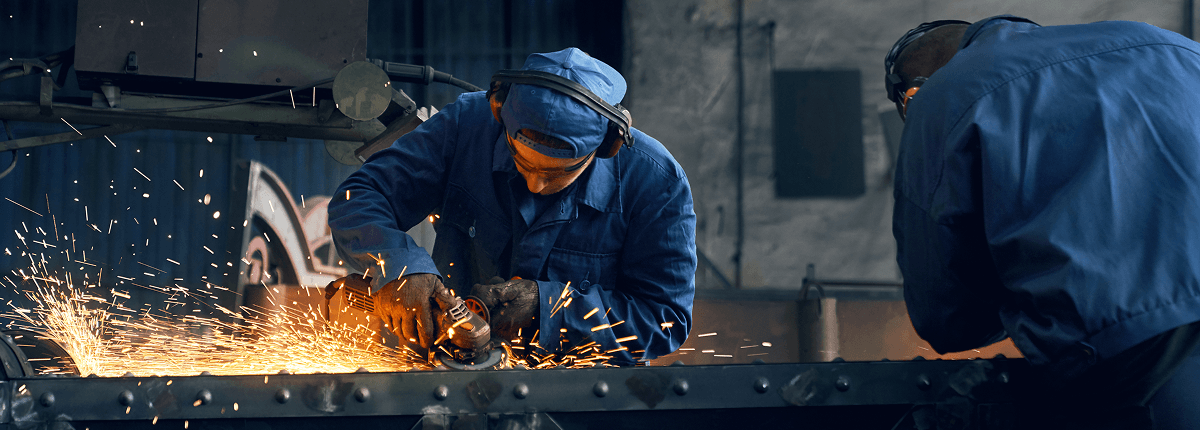
For decades, factories relied heavily on manual inspectors to identify scratches, dimensional inconsistencies, missing components, and assembly errors. While human inspection remains useful for certain applications, it inevitably introduces variability caused by fatigue, attention drift, and subjective judgment.
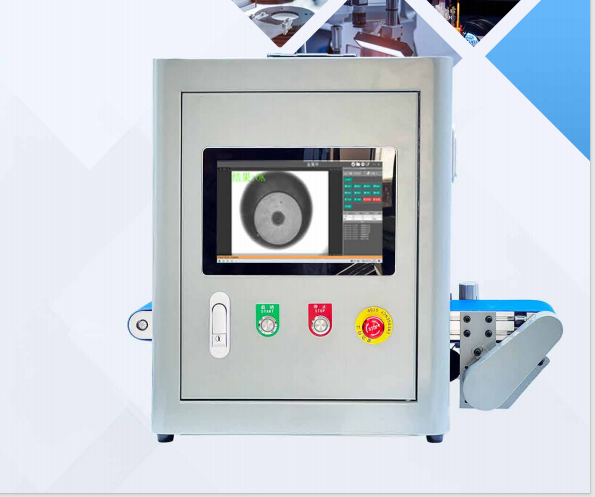
To achieve higher consistency and throughput, manufacturers are increasingly adopting Automated Vision Inspection Systems that combine industrial cameras, advanced lighting technologies, and intelligent image-processing software to perform real-time defect detection with minimal operator intervention.
How Automated Vision Inspection Systems Work
An automated inspection machine typically consists of four tightly integrated subsystems:
- Optical imaging hardware
- Controlled illumination systems
- Image processing software
- Automated rejection mechanisms
Each subsystem must be optimized according to part geometry, material properties, inspection criteria, and production speed.
Optical Imaging and Lighting Configuration
The performance of any machine vision solution begins with image quality.
Unlike human inspectors who rely on ambient lighting, industrial inspection systems utilize precisely engineered illumination sources designed to maximize contrast and reveal specific defect characteristics.
Common lighting configurations include:
Coaxial Lighting
Coaxial lighting projects light directly onto the inspection surface through a beam-splitting optical path.
This configuration is particularly effective for detecting:
- Surface scratches
- Polished metal imperfections
- Reflective component defects
Low-Angle Ring Lighting
Low-angle illumination emphasizes subtle surface variations by creating shadows around raised or recessed features.
Manufacturers frequently use this approach when inspecting:
- Plastic injection-molded parts
- Machined surfaces
- Stamped metal components
Backlighting
Backlighting creates a high-contrast silhouette by placing the light source behind the inspected object.
This technique is widely used for:
- Edge measurement
- Hole diameter verification
- Profile inspection
- Dimensional analysis
Industrial Camera Selection
The captured image is converted into digital data through industrial-grade camera sensors.
Most inspection platforms utilize either:
- CCD sensors for high image uniformity
- CMOS sensors for high-speed production environments
Depending on production requirements, engineers typically choose between:
- Area-scan cameras for stationary or indexed parts
- Line-scan cameras for continuous materials and rotating components
Image Processing and Defect Detection
After image acquisition, inspection software analyzes the captured data through a sequence of processing stages.
Image Preprocessing
Raw images are optimized before analysis through:
- Noise reduction
- Contrast normalization
- Lens distortion correction
- Brightness compensation
Feature Extraction
The system then identifies critical geometric characteristics such as:
- Edges
- Corners
- Surface textures
- Dimensional boundaries
Pattern Matching
Using reference templates or trained models, the software verifies whether the inspected part conforms to predefined specifications.
This process enables the detection of:
- Missing components
- Incorrect assembly orientation
- Dimensional deviations
- Surface defects
For manufacturers implementing bold:machine vision inspection systems, pattern matching remains one of the most widely used verification methods because of its reliability and repeatability.
Automated Rejection and Sorting Mechanisms
Once a defect is identified, the inspection system must react immediately to prevent non-conforming products from progressing further down the production line.
Common rejection methods include:
- Pneumatic air blowers for lightweight components
- Mechanical pushers for larger products
- Servo-controlled diverters for high-speed sorting applications
Modern systems can execute reject commands within milliseconds, ensuring that defective products are removed without interrupting production flow.
Key Performance Metrics That Determine Inspection Accuracy
When evaluating an inspection solution, manufacturers should look beyond camera resolution and focus on measurable operational indicators.
Spatial Resolution
Spatial resolution defines the physical area represented by each pixel.
For example:
A system operating at 10 microns per pixel cannot reliably identify a defect smaller than 10 microns without advanced sub-pixel measurement algorithms.
This makes bold:surface defect detection capability heavily dependent on both camera specifications and optical design.
False Acceptance Rate (FAR)
False Acceptance Rate measures the percentage of defective products incorrectly classified as acceptable.
A high FAR may lead to:
- Product failures
- Customer complaints
- Warranty costs
- Regulatory risks
False Rejection Rate (FRR)
False Rejection Rate measures the percentage of acceptable products incorrectly rejected.
Excessive FRR can result in:
- Increased scrap rates
- Reduced production yield
- Higher operational costs
Successful implementations seek an optimal balance between detection sensitivity and production efficiency.
Manual Inspection vs Automated Vision Inspection
The differences between traditional inspection and automated systems become particularly evident in high-volume manufacturing environments.
| Performance Factor | Manual Inspection | Automated Vision Inspection |
|---|---|---|
| Throughput | Typically 20–40 parts/minute | Often exceeds 200–600 parts/minute |
| Consistency | Varies between operators | Consistent 24/7 operation |
| Data Traceability | Manual record keeping | Automated digital logging |
| Defect Detection Capability | Limited by human eyesight | Detects microscopic defects |
| Scalability | Requires additional labor | Scales through software and hardware expansion |
As labor costs continue to rise globally, many manufacturers now view bold:automated quality inspection machines as long-term investments rather than optional upgrades.
Why Standardized Inspection Machines Are Gaining Popularity
While large enterprises often invest in fully customized machine vision projects, many small and medium-sized manufacturers prefer standardized inspection platforms.
Standardized systems offer several practical advantages:
Faster Deployment
Pre-configured hardware significantly reduces installation and commissioning time.
Lower Technical Requirements
Operators can typically learn system operation without extensive machine vision expertise.
Faster Return on Investment
Because deployment times are shorter, manufacturers begin reducing defect-related losses almost immediately.
For many growing factories, adopting bold:industrial inspection equipment with standardized configurations provides a more predictable path toward automation.
Choosing the Right Vision Inspection Solution
Before investing in inspection equipment, buyers should evaluate several critical factors:
- Production speed requirements
- Defect types that must be detected
- Required measurement accuracy
- Integration compatibility with existing production lines
- Long-term maintenance and support availability
Many manufacturers also prioritize suppliers offering proven bold:quality control automation solutions with documented performance specifications and established technical support resources.
Selecting equipment based solely on camera resolution or software features often leads to underperforming installations. A complete evaluation should consider the entire inspection ecosystem, including optics, lighting, software, mechanical integration, and future scalability.
Conclusion
Automated vision inspection systems have become a cornerstone of modern precision manufacturing.
By replacing subjective manual inspections with objective, repeatable machine vision analysis, manufacturers can significantly improve product quality, reduce waste, and strengthen process traceability.
As global competition continues to intensify, organizations that implement reliable automated inspection technologies are better positioned to achieve higher production efficiency, maintain tighter quality standards, and build more resilient manufacturing operations.
Leave a Reply